


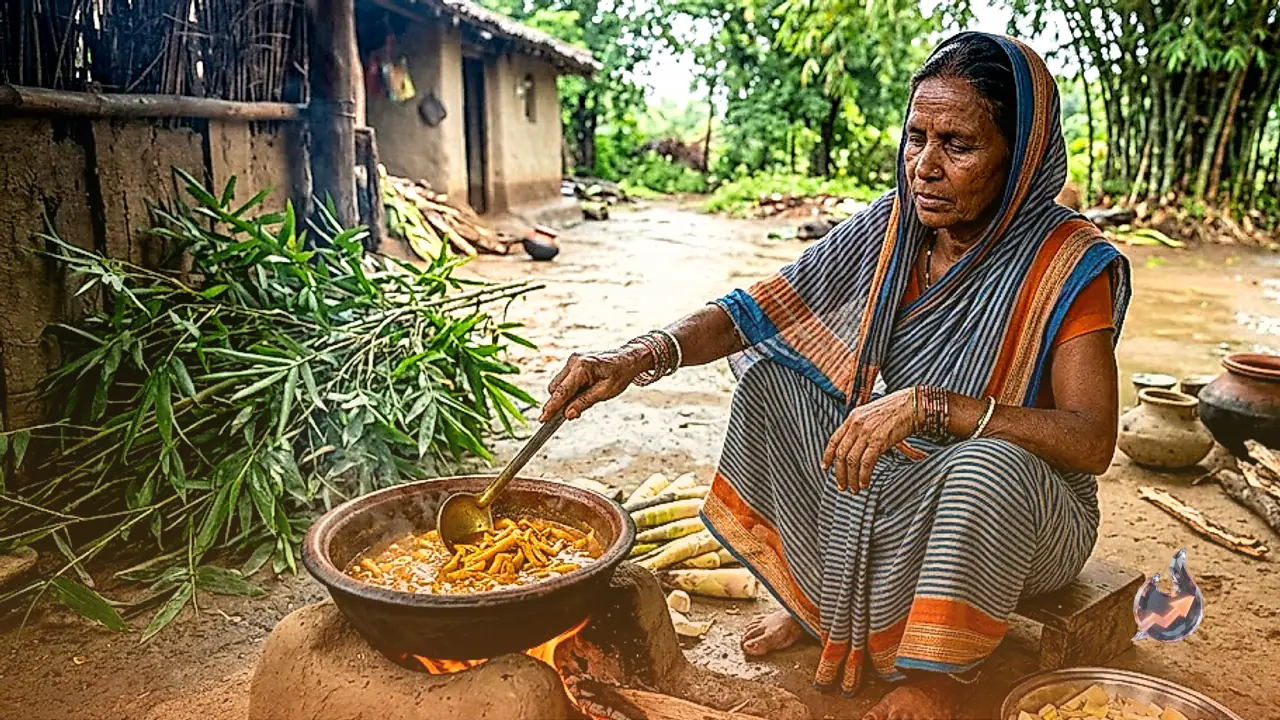
















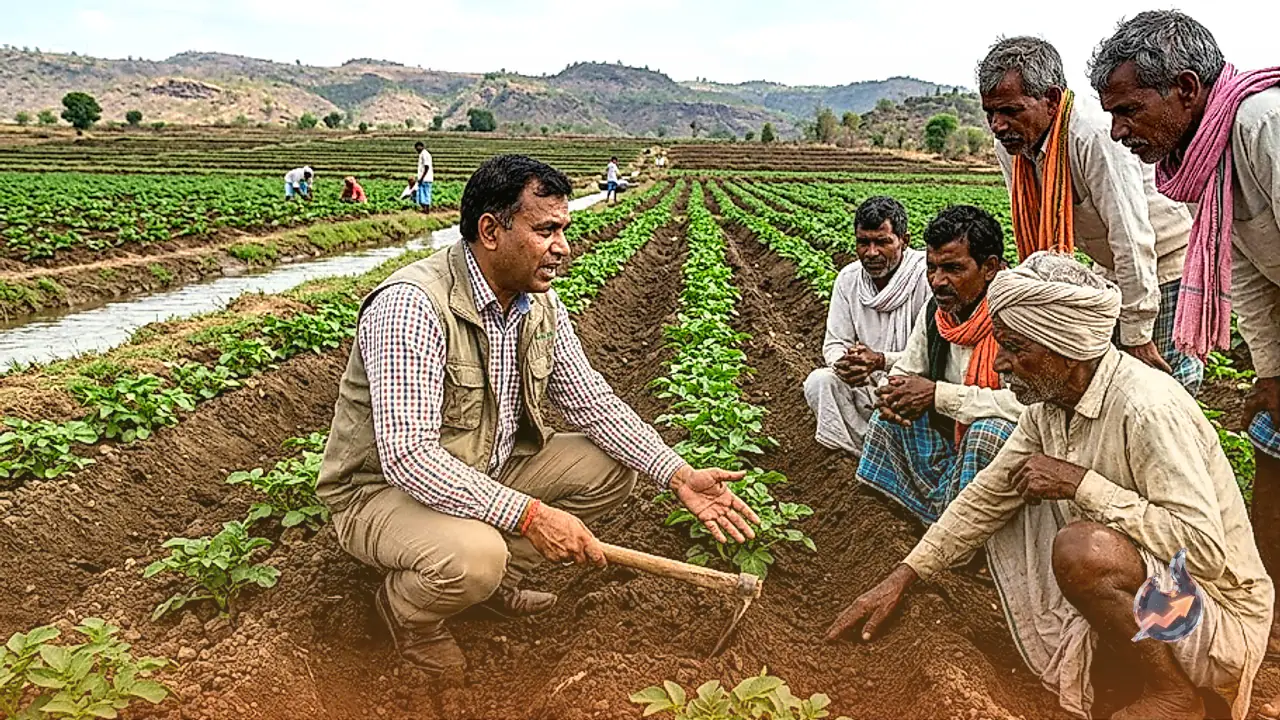

In the Palamu district of Jharkhand, the seasonal window for potato cultivation is currently in full swing across farming communities. Securing an abundant, high-quality harvest of this key cash crop requires meticulous planning and consistent attention, right from initial seedbed preparation and planting through to irrigation schedules. Farmers throughout the region typically plant their seed tubers between September and October. Depending on soil texture and regional microclimates, cultivators can choose varieties that mature within a 70 to 90 days window. Delaying the sowing schedule exposes emerging seedlings to erratic shifts in weather, where prolonged overcast conditions dramatically elevate the threat of destructive plant infections.
The Critical Role of Earthing Up Twice During Growth
Dr. Akhilesh Shah, an agricultural scientist stationed at the Zonal Research Station in Chianki within Palamu district, highlighted that earthing up soil around growing stems at the precise stage is essential for proper root-zone development. He recommended that cultivators perform this earthing up operation twice across the growth cycle. Mounding loose soil along the base creates a substantial bed around the root system, providing underground tubers with the physical space needed to expand freely without mechanical resistance.
Furthermore, this protective soil layer stops expanding potatoes from pushing through the surface crust. When tubers are exposed to ambient daylight, they turn green, which lowers their market grade and commercial value. Carrying out two dedicated rounds of earthing up effectively eliminates greening, safeguards vegetative vigour, and exerts a strong positive influence on overall harvest tonnage.
Regulating Irrigation and Preventing Field Waterlogging
Moisture regulation represents another vital pillar of profitable potato management. Water should be applied at strategic intervals based on soil thirst, but standing water must never be allowed to accumulate in the furrows. Excessive moisture combined with lingering cloud cover creates an ideal environment for destructive fungal pathogens to attack the crop. Farmers must therefore assess ambient weather forecasts and evaluate actual soil moisture levels before deciding to irrigate the field.
Monitoring Yellowing Foliage and Applying Protective Fungicides
If plant foliage begins to turn yellow, growers should remain vigilant rather than assuming it to be natural aging. Yellowing leaves frequently point toward underlying nutritional stresses or developing pathological infections. Whenever these signs appear, farmers need to inspect their plots thoroughly and verify the precise cause before preparing any chemical treatments.
When fungal infections are identified, farmers should apply only recommended fungicides after consulting qualified agricultural specialists. The technical guidance suggests spraying Indofil M-45 at a dilution rate of 2 grams per litre of water. Any application of chemical inputs must strictly adhere to product label directions and regulatory guidelines issued by the agriculture department.
Integrated Pest Control and Realistic Harvest Expectations
Should pest infestations appear on the crop, farmers must identify the specific insect before taking corrective action. Applying insecticides without confirming the pest or disease presence is counterproductive. When chemical intervention becomes necessary, use only authorized preparations on expert advice, and if follow-up sprays are required, observe the specific waiting intervals specified on the package label.
By combining punctual sowing, two earthing up cycles, balanced irrigation, routine crop monitoring, and prompt corrective treatments, growers can effectively protect their potato fields. While following these integrated management practices is associated with a potential 15–17 percent yield increase and returns of 200–250 quintals per hectare, actual outputs inevitably vary with local soil quality, selected seed varieties, prevailing weather, and field upkeep. Cultivators should treat these figures as variable benchmarks rather than absolute guarantees.