






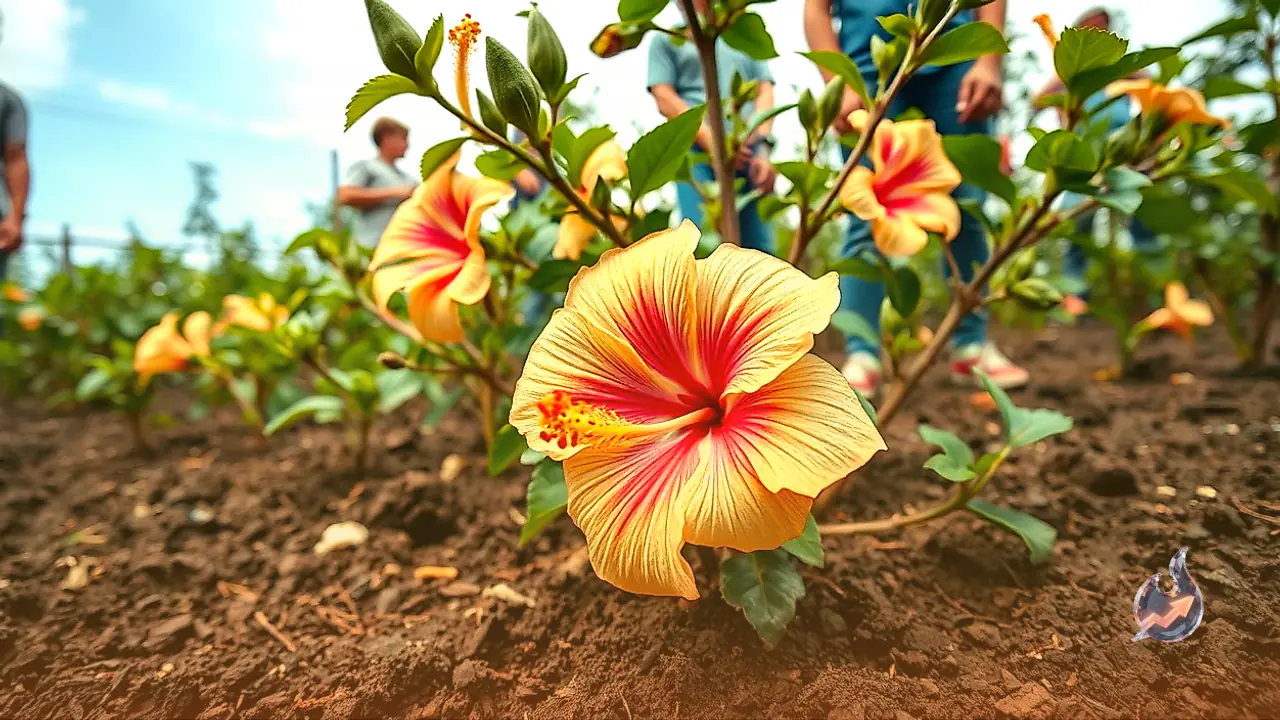















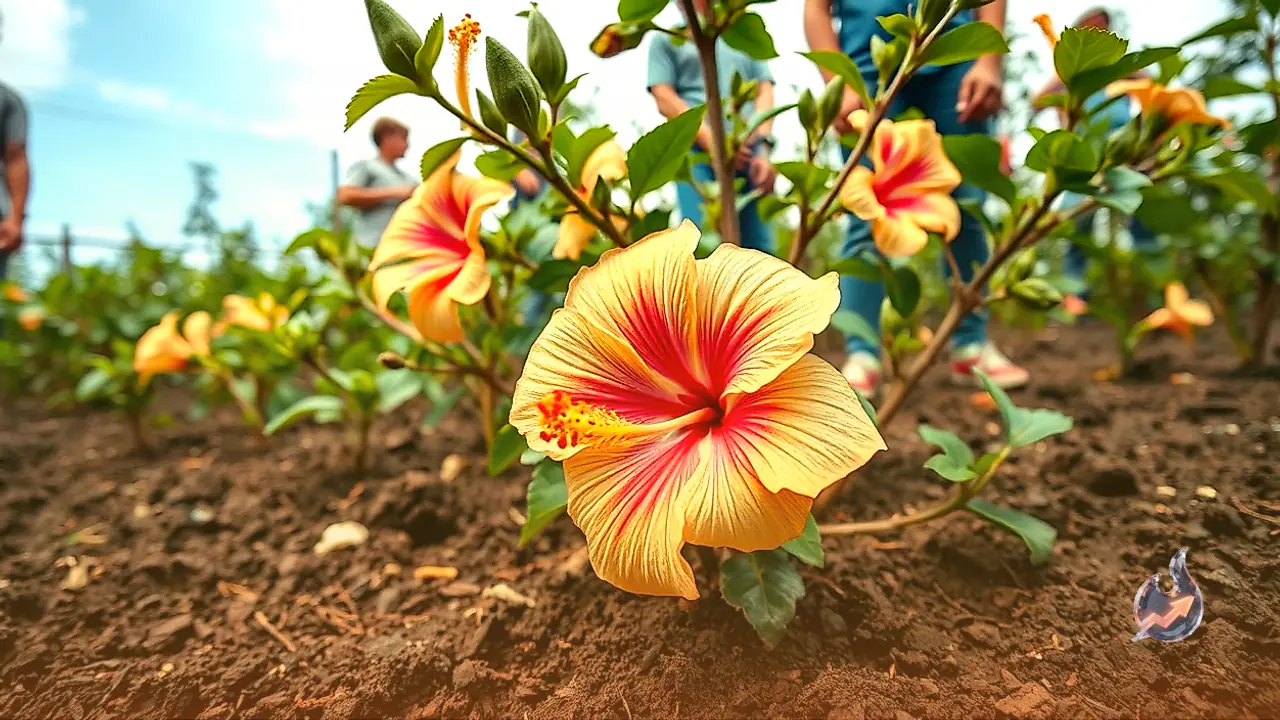

Gardening enthusiasts commonly choose the hibiscus plant to brighten up home terraces, balconies, and backyard gardens. Its rich green foliage paired with vivid blossoms makes it an instant visual centerpiece. However, gardeners frequently face a frustrating phase where the shrub produces only one or two blooms before growth stalls completely. In many instances, the leaves turn limp and yellow, while developing flower buds wither and drop off before opening, diminishing the plant's overall appeal.
Selecting the Right Fertilizer Blend to Encourage Consistent Blooming
Ensuring an adequate nutrient supply in the root zone is the primary requirement for keeping a hibiscus blooming generously over time. According to Abhishek, an expert from Thakur Nursery in Bokaro, incorporating a customized nutrient mixture into the feeding routine can substantially stimulate new floral growth. This blend should combine essential elements such as potash, phosphate, and neem dust.
Supplying these amendments in balanced amounts provides the energy and minerals necessary for developing healthy branches and abundant flower buds. Furthermore, to enhance underground root development and structural vigor, a liquid humic acid application can be introduced every one to two months. Liquid humic acid supports root expansion and conditions the growing medium, enabling the root system to absorb vital minerals more efficiently so the entire shrub remains robust.
Preparing Well-Draining Soil to Protect the Root System
Achieving vibrant flowering requires more than surface fertilization; the physical quality of the potting mix plays a decisive role in plant health. Hibiscus plants require porous, well-draining soil that prevents standing water inside the container. When water stagnates around the root zone, it restricts oxygen flow and quickly weakens the root network.
When blending potting medium, Abhishek recommends combining standard garden soil with generous compost, while incorporating neem dust and bone dust into the mixture. Neem dust acts as a natural soil conditioner that discourages subterranean pests, whereas bone dust delivers a slow-release supply of essential nutrients like phosphorus. Gardeners should adjust the precise proportions of compost, neem dust, and bone dust according to the specific dimensions of the container and the developmental stage of the shrub.
Preventing Root Decay Caused by Excessive Moisture
One of the most widespread missteps in everyday gardening is overwatering. Maintaining hydration balance is critical when tending to potted hibiscus shrubs. Saturating the soil causes water retention in the container, creating anaerobic conditions that trigger root rot and fungal proliferation. This distress shows up rapidly on the foliage, causing healthy green leaves to turn pale and yellow.
To avoid over-saturation, gardeners should physically check the moisture level before reaching for the watering can. Water should only be applied when the top layer of soil feels completely dry to the touch. In addition, verifying that container drainage holes remain unobstructed ensures surplus moisture drains away instantly instead of collecting near delicate root tips.
Controlling Mealybugs and Fungal Infections Early
Hibiscus foliage is particularly susceptible to infestations of mealybugs and other soft-bodied sap-sucking insects. Prolonged humidity or standing water can also encourage fungal issues that compromise stem vitality and foliage appearance. Left unaddressed, these pests drain nourishment from young growth tips, sapping the plant's vitality and causing flowering to halt entirely.
Abhishek suggests applying neem oil sprays as a dependable preventive step against insect pests. If fungal damage emerges, gardeners should treat the foliage promptly with a suitable fungicide according to usage guidelines. Inspecting leaf undersides and branch joints regularly allows growers to detect initial signs of trouble early, keeping the hibiscus vigorous, healthy, and loaded with flowers throughout the growing season.