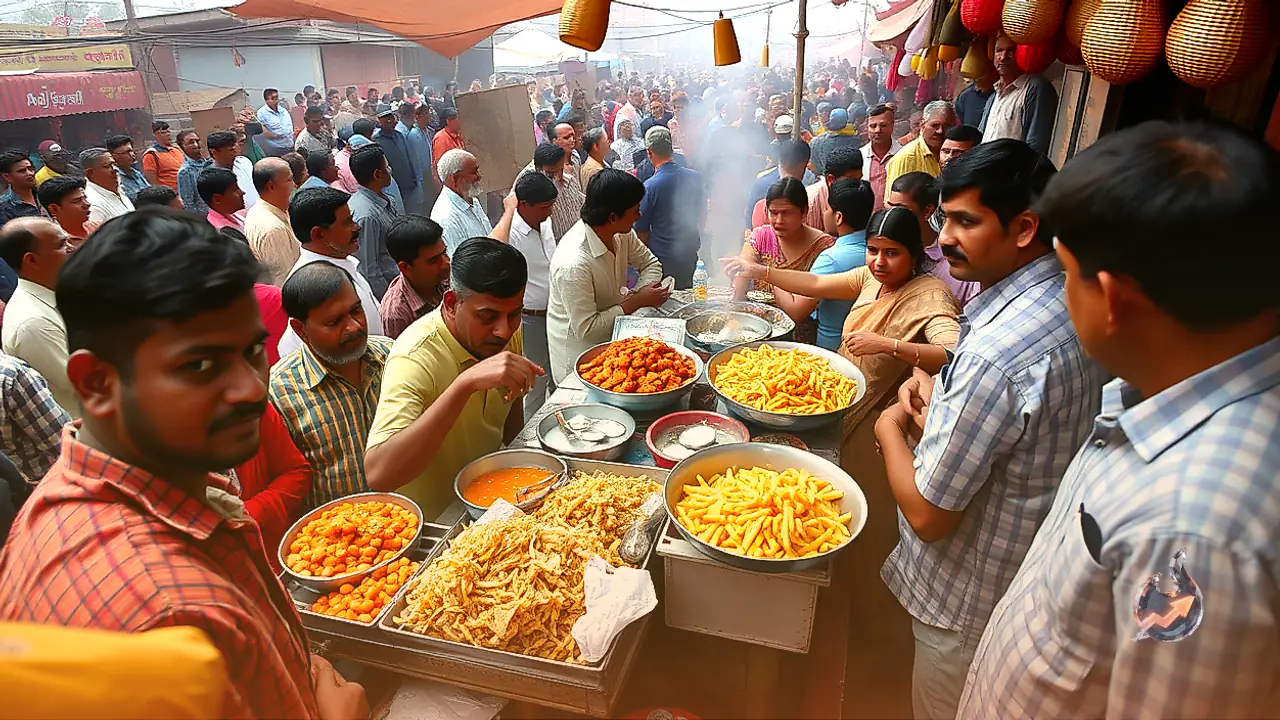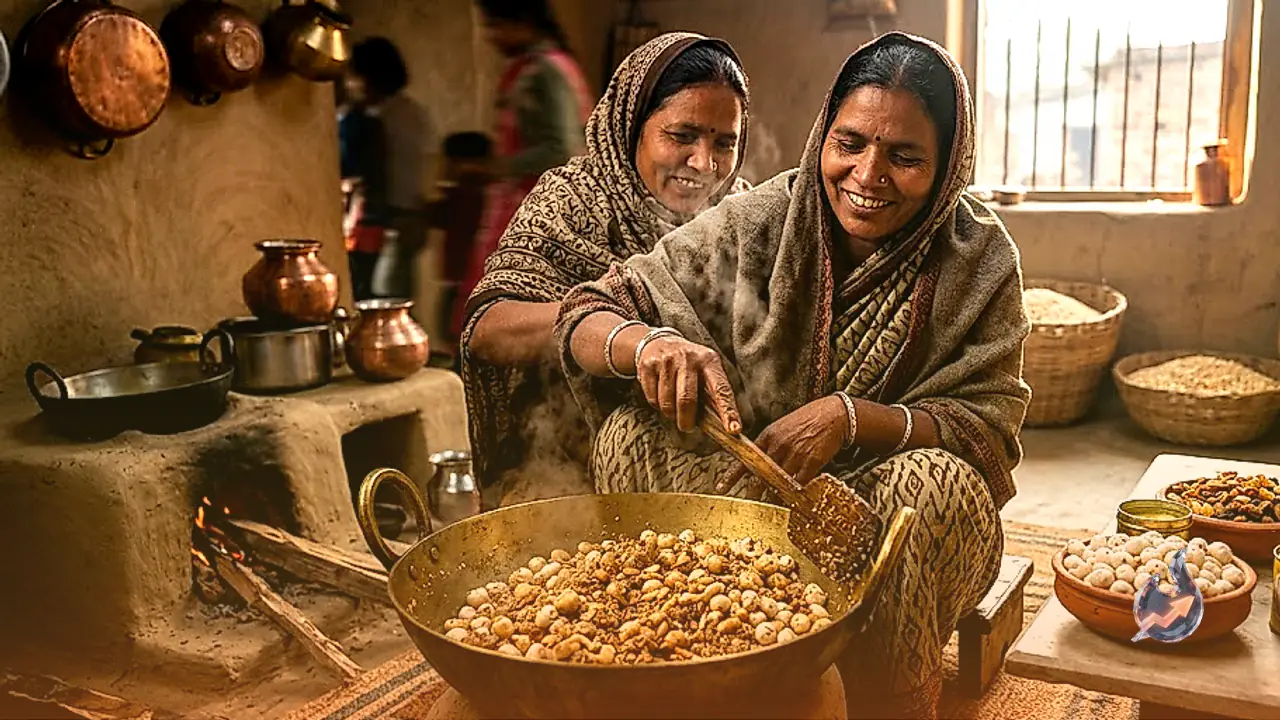
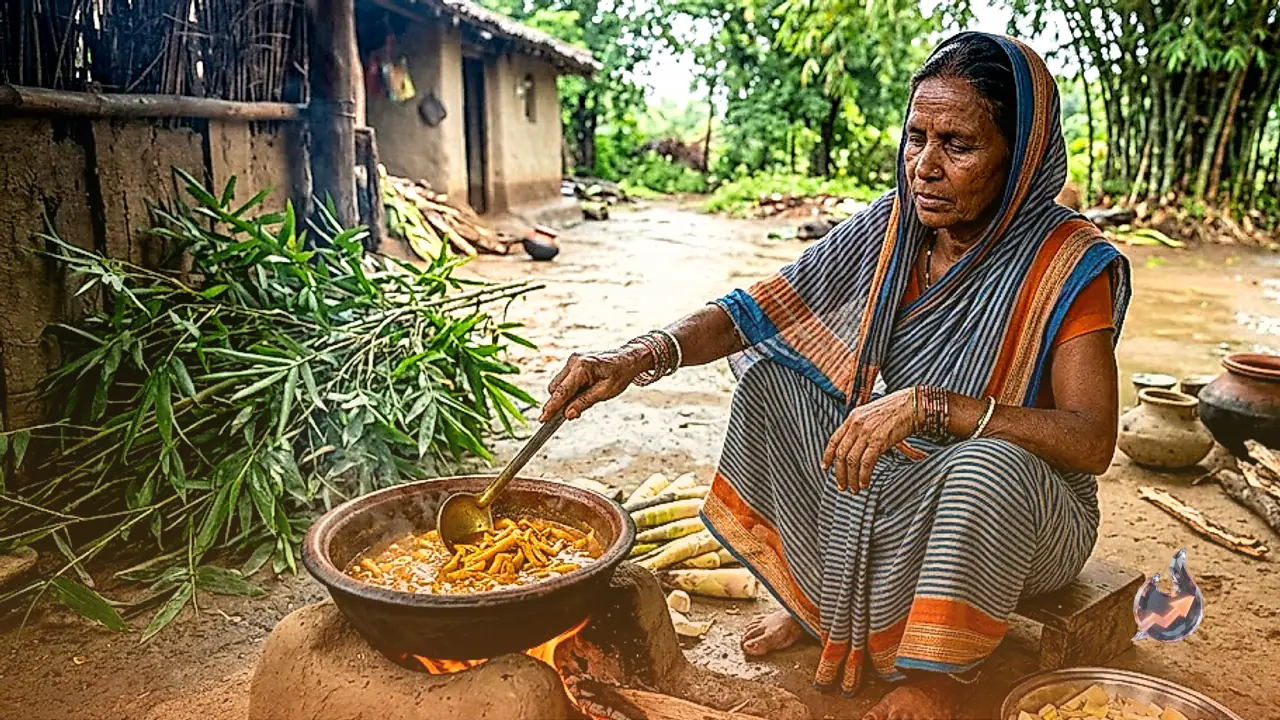



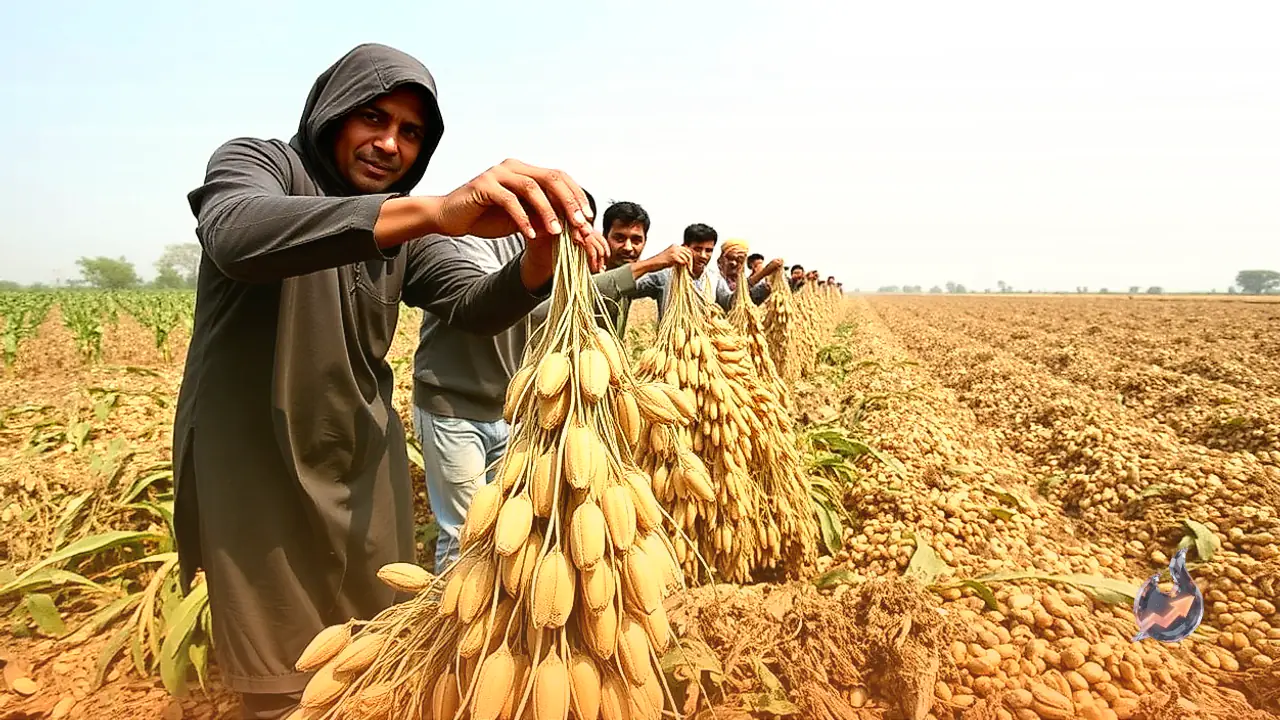


















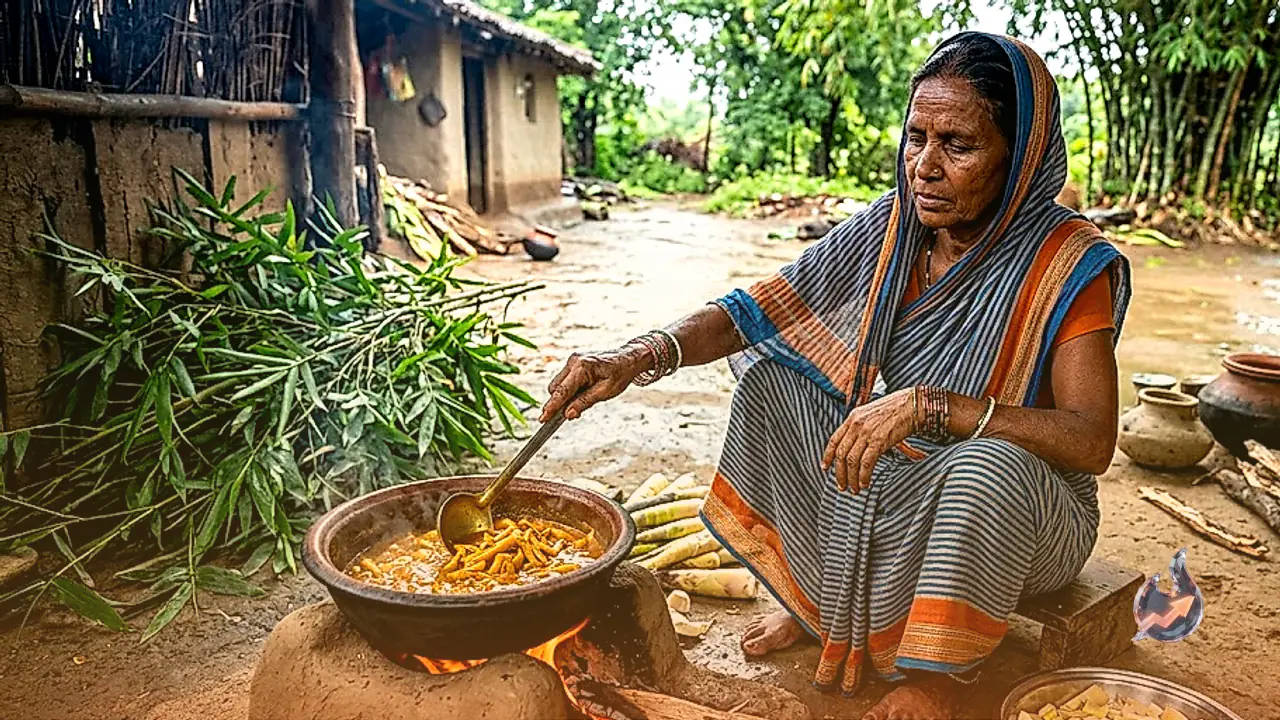

As the monsoon rains recede, the fringes of rural fields and dense forests witness the emergence of tender new bamboo shoots breaking through the moist earth. In their earliest stage, these young sprouts are remarkably soft, succulent, and edible. Across the Baghelkhand region of central India, this forest produce is traditionally known as Karil. Far from routine kitchen vegetables, this local culinary staple is celebrated for its unique spongy texture and capacity to absorb robust regional spices. Traditional households do not restrict its preparation merely to rich curries; Karil is equally prized when stir-fried as a dry bhujia or preserved into piquant, long-lasting pickles. Preserving this generational culinary practice, local resident Anjali Chaturvedi explains that when properly cleaned and cooked, fresh and tender bamboo shoots can easily outshine any mainstream festive preparation right at home.
Selecting the Shoots and Traditional Silbatta Crushing
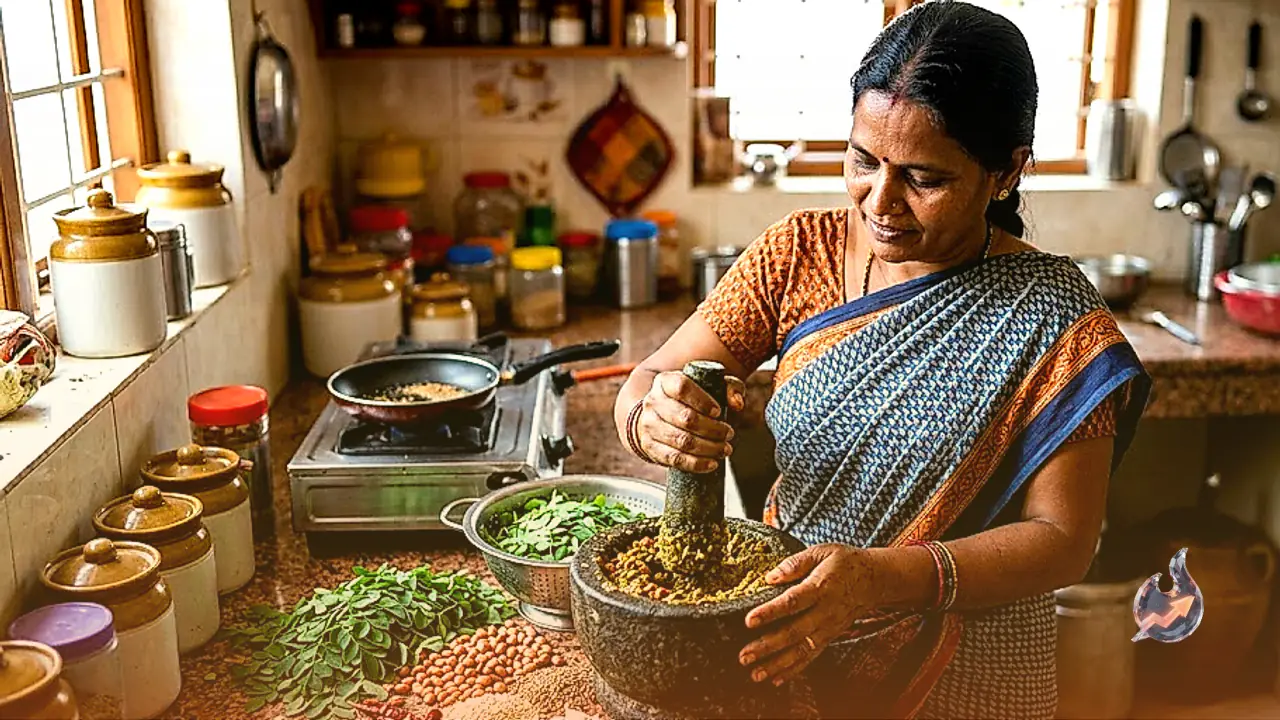
The secret to a successful bamboo shoot curry lies in selecting the right sprouts and cleaning them with precision. The outer layers of the shoot consist of tough, fibrous sheaths that resemble bark. These coarse outer leaves must be carefully sliced away using a sharp knife until the tender, milk-white interior is exposed. This inner core is then sliced into small, manageable pieces. In traditional rural homes, these raw pieces are not cooked as solid cubes; instead, they are gently pounded on a stone slab, known as a silbatta. Pounding loosens the dense internal plant fibers without pulverizing the vegetable into a paste. This mechanical softening ensures that during the subsequent cooking process, the savory sauces and regional spices penetrate deeply into the heart of the shoots.
Boiling in Turmeric Water to Eliminate Bitterness
Raw bamboo shoots naturally contain a pronounced bitterness along with certain astringent natural compounds that must be eliminated before consumption. Throwing raw bamboo shoots directly into hot oil or gravy ruins the entire dish and poses dietary discomfort. To extract the bitter profile, the pounded pieces are placed in a deep pot filled with plenty of water. A measured pinch of salt and turmeric powder is added to the pot before placing it on the stove. The shoots are allowed to boil rigorously for 20 to 30 minutes. During this sustained boiling, the bitter compounds dissolve into the yellow water. Once done, the water is completely drained through a sieve and discarded. This thermal treatment leaves the bamboo shoots safe, palatable, and ready for seasoning.
Building the Base with Mustard Oil and Aromatic Spices
The earthy profile of Karil demands the pungent heat of pure mustard oil. In a heavy-bottomed wok or kadhai, mustard oil is heated until it reaches its smoking point to dispel its raw sharpness. The flame is then lowered, and whole cumin seeds along with aromatic bay leaves are dropped in until they sizzle. Finely chopped onions, minced green chillies, and freshly ground ginger-garlic paste are immediately introduced to the oil. This aromatic mixture is sautéed steadily until the onions turn a rich, translucent golden brown. Once the base turns aromatic, chopped tomatoes or pureed tomato pulp is incorporated. Ground spices including turmeric powder, coriander powder, red chilli powder, garam masala, and salt according to taste are blended in. The spice blend is gently simmered until glossy oil beads separate from the thick masala paste.
Simmering on Low Heat for a Tender Finish
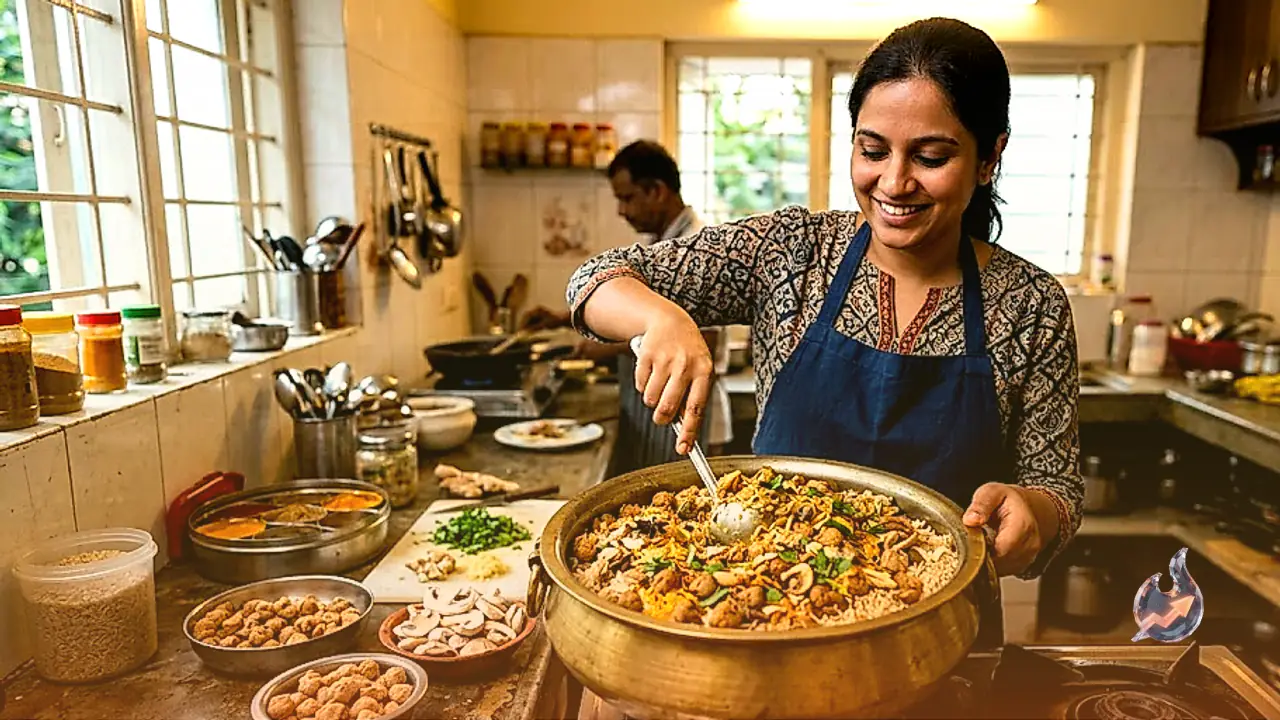
When the spice mixture is thoroughly roasted and fragrant, the boiled and drained bamboo shoots are introduced to the pan. They are tossed vigorously over medium heat for 4 to 5 minutes so that the thick masala coats every crevice of the crushed shoots. Once well integrated, approximately one to one and a half cups of water is added to the pan to form the curry base. After stirring the contents thoroughly, the kadhai is covered tightly with a lid. The flame is reduced to low, allowing the dish to simmer undisturbed for 10 to 15 minutes. This gentle braising process softens the fibrous bamboo until it achieves a melt-in-the-mouth consistency while allowing the gravy to thicken into an aromatic consistency.
Serving Suggestions for Fresh Karil Curry
Once the curry reaches a thick consistency and the shoots become completely tender, the stove is turned off. A generous handful of freshly chopped coriander leaves is scattered over the curry to provide fresh herbaceous notes. The piping-hot Karil curry is traditionally served alongside fresh, hot rotis, crisp layered parathas, or steaming bowls of plain boiled rice. Originating from the wild bamboo groves that sprout right after the rains, this preparation stands as an enduring emblem of Baghelkhand's regional cuisine, offering a spicy, rustic break from ordinary kitchen routines.