



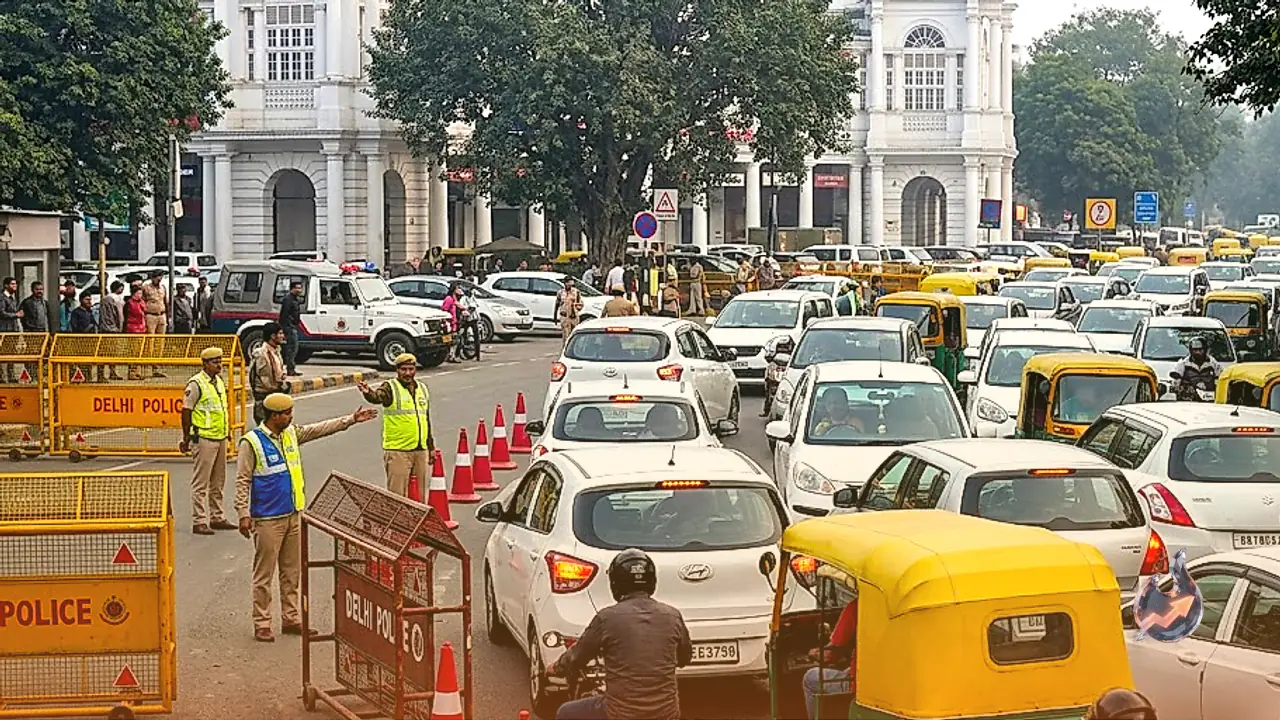
















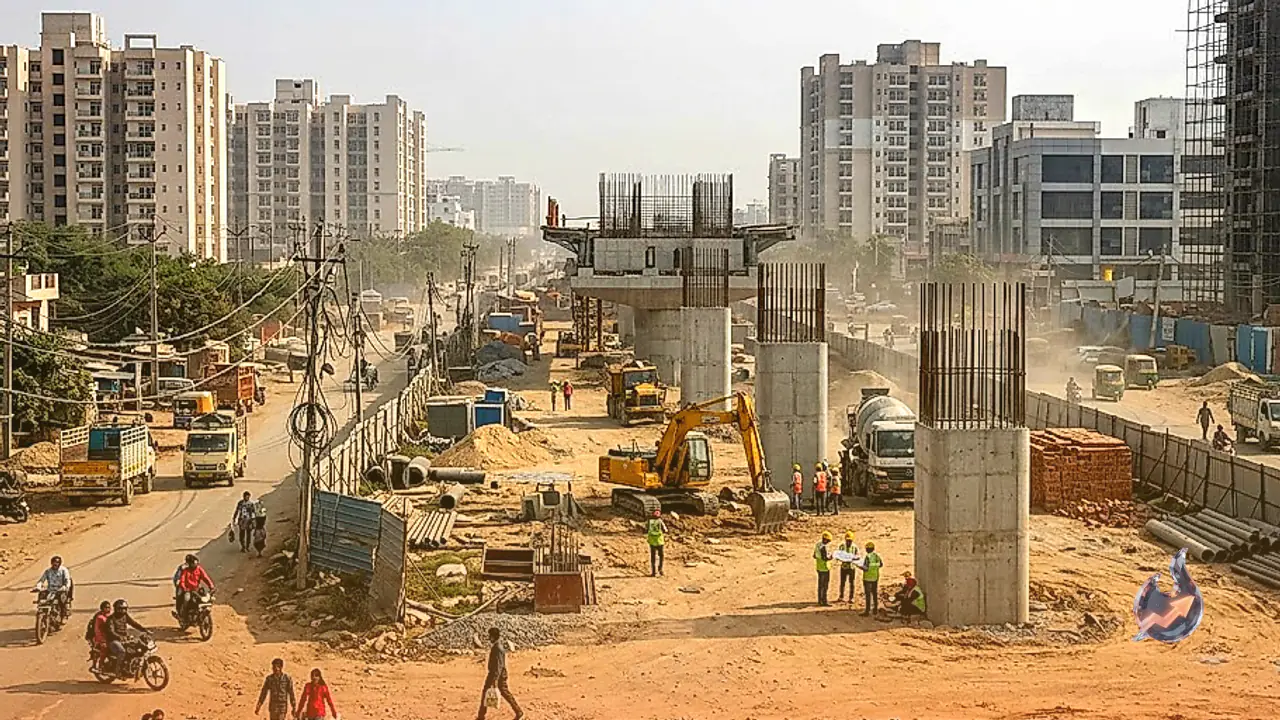

For decades, the real estate momentum across the National Capital Region remained heavily clustered around prime corporate engines such as Gurugram and Noida. However, the subsequent phase of urban expansion is set to take root across secondary towns, rural belts, and peripheral zones that long sat on the sidelines of property development, according to an assessment by Knight Frank India. Accelerated transport linkages, large-scale public utility works, and structured town planning are positioning these overlooked pockets to serve as the fresh focal points for the entire regional property landscape.
Channeling ₹20 Lakh Crore into Emerging Peripheral Towns
A staggering investment outlay of approximately ₹20 lakh crore has been chalked out under the NCR Regional Plan 2041. What distinguishes this financial roadmap from past cycles is that capital deployment is not earmarked for saturated metropolises like Noida or Gurugram, but is deliberately guided toward lower-tier settlements and quiet rural townships that previously exhibited modest market movement. These emerging municipalities hold an abundance of contiguous land parcels alongside a comfortable timeline to roll out planned civic utilities from scratch. Through this massive layout, the development framework seeks to fulfill the living requirements of roughly 3 crore additional residents while creating multiple brand-new commercial nodes across northern India.
Urban planning analysts note that rigorous and disciplined execution of this macro scheme could reshape daily living patterns, job transit, and wealth deployment across the northern states. This pivot is anticipated to redefine both commercial enterprise and the broader direction of real estate developments for decades to come.
Decentralisation to Relieve Pressure on Congested Urban Cores
The core philosophy driving the 2041 regional blueprint is curbing overcrowding across Delhi and its adjacent megacities. By abandoning the model of hyper-concentrated expansion, policy planners seek to establish an equitable growth distribution supported by interconnected satellite centers spread throughout the territory.
This structural change directly benefits high-potential corridors including Sonipat, Panipat, Bhiwadi, Alwar, Meerut, and Jewar, each of which has witnessed aggressive infrastructure overhauls in recent seasons. In contrast, land valuations in Gurugram and Noida have scaled steep peaks, prompting cost-conscious homebuyers and building conglomerates to turn to these rising satellite markets as feasible, high-upside alternatives.
Expressways and Mass Transit Establishing the Expansion Bedrock
The health and resilience of any real estate ecosystem hinge on access networks, and the 2041 framework treats transit as the foundational driver. Robust intercity thoroughfares, regional rapid train networks, and streamlined vehicular corridors form the operational core of the plan. Strategic ventures such as the Delhi-Mumbai Industrial Corridor, the operational Noida International Airport in Jewar, the Regional Rapid Transit System, and extensive access-controlled expressways are providing vital propulsion to these new pockets.
Thanks to these travel solutions, professionals and workers will no longer need to reside within core municipal boundaries to stay connected to major business centers. Rapid travel timelines make living in outlying towns viable, which will accelerate housing colonies, retail plazas, and corporate parks far beyond historical city boundaries.
Diverse Avenues Across Housing, Warehousing, and Industry
For the real estate community, this structural roadmap stretches well past standard suburban sprawl. It introduces substantial operational scope across private housing, commercial retail, manufacturing parks, and logistics infrastructure. In corridors where acquisition costs stay modest, property builders can concentrate on self-contained integrated townships, plotted colonies, and mixed-use complexes.
Alongside residential formats, the expansion of freight pathways and manufacturing nodes is driving massive demand for factory sites and logistics warehouses. This convergence of industrial activity and commercial housing offers sustainable long-term runways for real estate capital.
Industry Leadership Views on Tier-2 Growth Trajectories
Commenting on this paradigm shift, Jindal Realty President and CEO Abhay Mishra noted that the regional blueprint signals a decisive departure from hyper-concentrated city expansion toward widespread regional parity. Abhay Mishra stated, "As infrastructure and transit-oriented corridors expand beyond Delhi and Gurugram, tier-2 cities such as Sonipat could emerge as primary investment hubs." He noted that competitive land rates, large physical areas, and advancing mobility make Sonipat an attractive magnet for residential and commercial capital alike, promising sound returns.
Echoing these growth prospects, Karyan Group Director Varun Garg underscored the transformative weight of the 2041 master plan for northern India's real estate ecosystem. Varun Garg stated, "With enhanced regional connectivity through infrastructure projects, emerging markets such as the Sonipat, Panipat, Meerut, Bhiwadi, and Jewar corridors are likely to see substantial growth in residential and commercial investments." He highlighted that decentralised development opens lucrative windows for developers and long-term end-users looking for superior entry points along next-generation corridors.
Similarly, Royal Green Realty Managing Director Yashank Wason observed that the findings compiled by Knight Frank validate the strategic rise of tier-2 settlements across the region, especially highlighting areas like Sonipat as fertile ground for economic and residential transformation.