
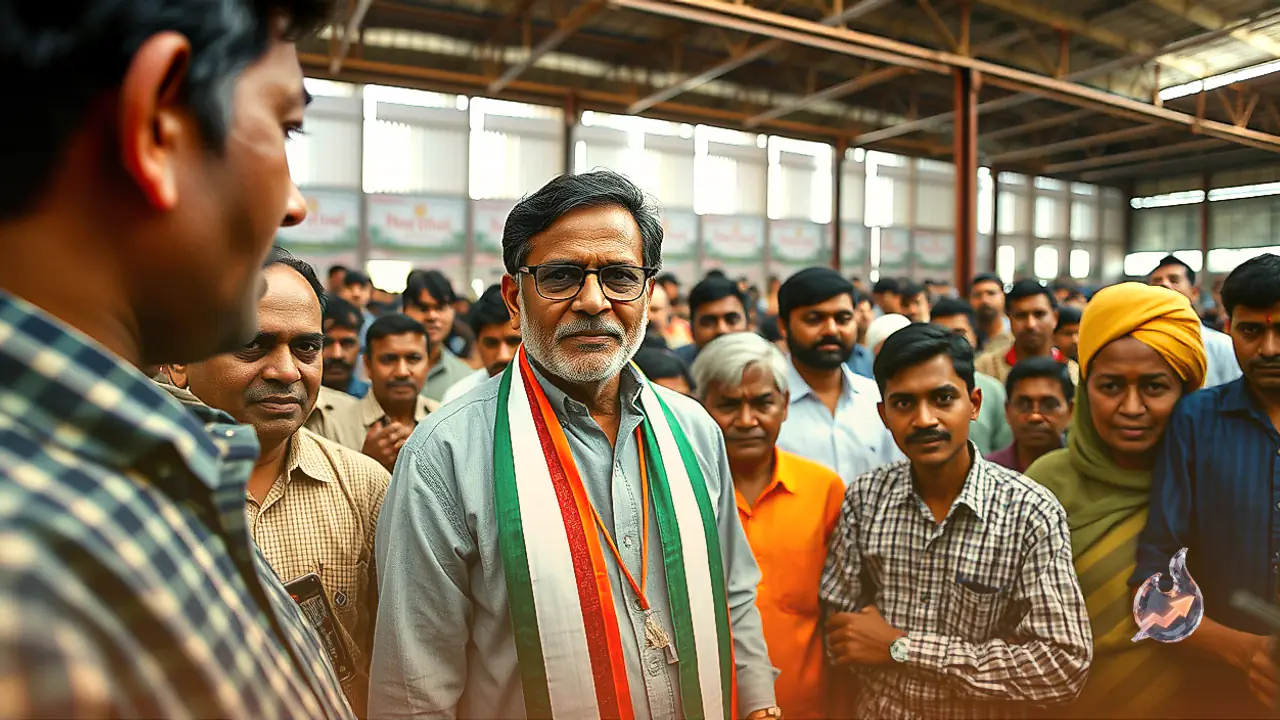


















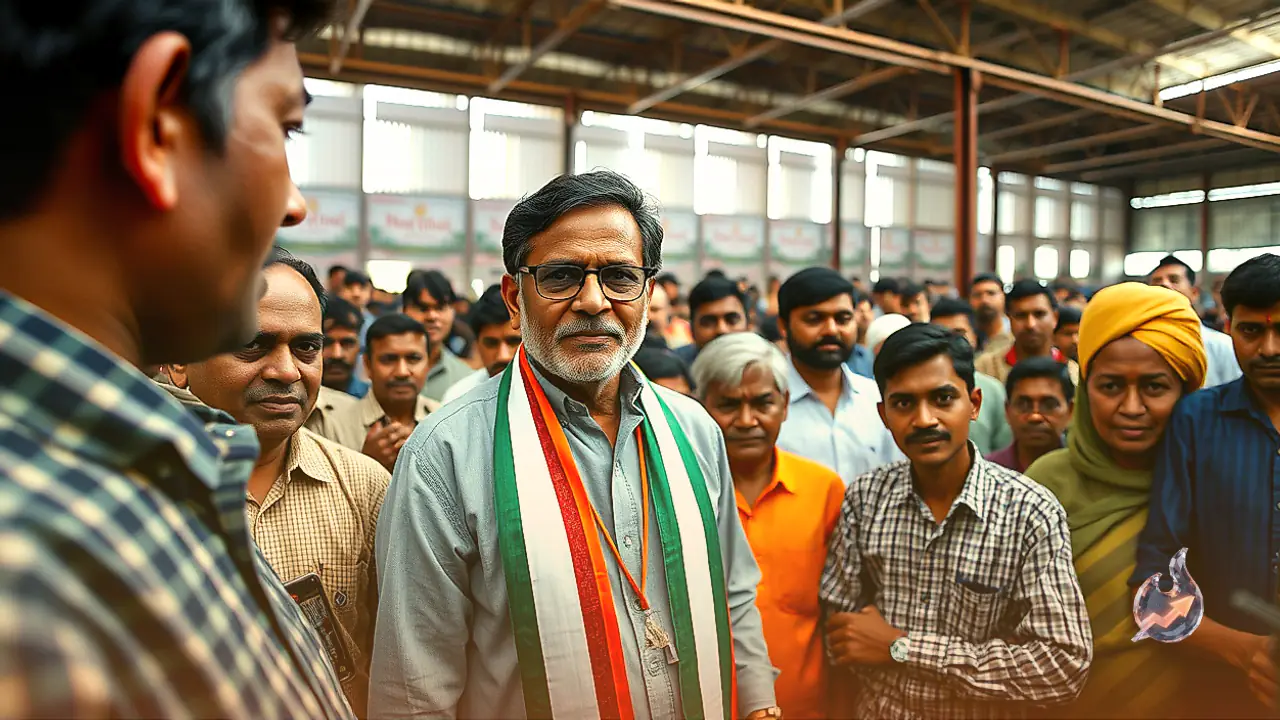

When citizens reflect on the leaders who steered India's electoral machinery, conversations invariably revolve around landmark administrators like TN Seshan or current figures embroiled in friction such as Gyanesh Kumar. While TN Seshan earned enduring acclaim for introducing iron-fisted discipline and procedural cleanliness to Indian voting booths, Gyanesh Kumar has recently faced intense scrutiny and resignation demands from opposition parties over disputes surrounding the Special Intensive Review. However, this focus on modern flashpoints obscures the foundational administrator who actually built the system from zero. That figure was Sukumar Sen, the nation's inaugural Chief Election Commissioner, who successfully executed an unprecedented democratic exercise when international onlookers doubted whether universal franchise could ever function on Indian soil.
Transitioning from Colonial Restrictions to Universal Franchise
Sukumar Sen assumed leadership of the newly formed Election Commission on March 21, 1950, inheriting operational obstacles of breathtaking magnitude. The franchise under British rule had been deliberately limited, granted only to a tiny elite based on property qualifications, academic credentials, and tax brackets. Independent India chose a radically egalitarian course, granting every adult citizen the ballot irrespective of wealth, education, or gender. While the Constituent Assembly had engaged in intense deliberations concerning the viability of such an expansive mandate, its members ultimately ratified the universal adult franchise without hesitation. In his comprehensive official review of that inaugural election, Sukumar Sen observed that the Constituent Assembly's verdict initiated a historic endeavor that stood entirely peerless across the world in both sheer dimension and institutional complexity.
The Fight to Recognize Women Under Their Own Names
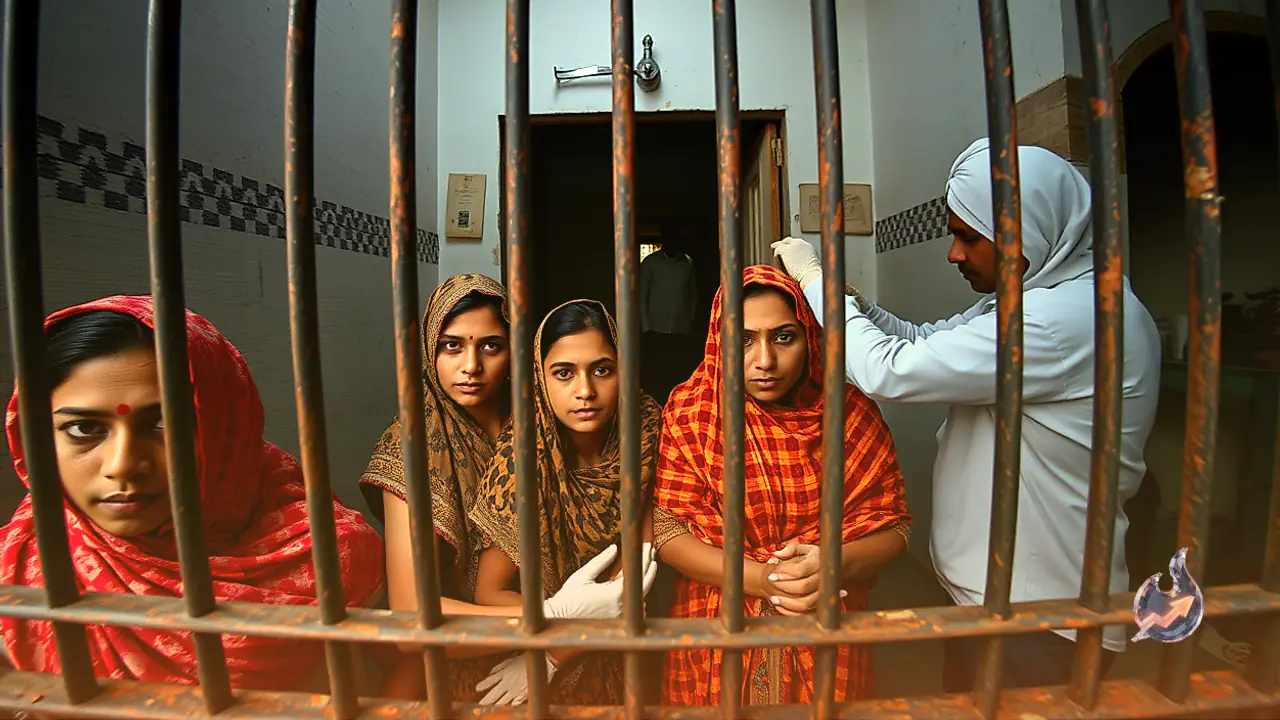
During the initial preparation of electoral rolls, Sukumar Sen and his field staff ran directly into deep-rooted societal prejudices across northern and central provinces. In many communities, prevailing orthodoxies discouraged women from disclosing their individual personal names to census takers and enumerators. Consequently, local registrars had enrolled millions of female citizens merely through their kinship to male relatives, cataloging them as someone's mother, spouse, or daughter. Sukumar Sen refused to legitimize this erasure of personal identity. He issued an uncompromising directive across the country requiring enumerators to record only the legitimate, authentic name of every voter, ordering the disqualification of anyone who refused and the immediate purging of proxy entries.
This principled stance extracted a painful immediate toll. Out of approximately 80 million eligible female citizens nationwide, nearly 2.8 million women were stripped of their ballot because their personal names remained unrecorded. The heaviest disenfranchisement fell upon women living across Bihar, Uttar Pradesh, Madhya Pradesh, and Rajasthan. Yet, over the long term, this uncompromising rule catalyzed a vital transformation, forcing households to acknowledge female autonomy on the state register and permanently curtailing the tradition of registering voters through male relationships.
Overcoming High Illiteracy with Ballot Symbols and Separate Boxes
Another monumental hurdle stemmed from the reality that more than 70 percent of the electorate could neither read nor write at the dawn of independence. Expecting these citizens to identify printed names on a paper slip was impossible. To solve this, Sukumar Sen devised the ingenious visual emblem mechanism. Each recognized political group and independent candidate received a distinctive election symbol. At the polling stations, individual ballot boxes were placed for each candidate, each container displaying the candidate's allotted symbol. A voter simply had to take an unmarked slip and drop it into the designated box bearing the visual emblem of their chosen contender. This intuitive layout functioned seamlessly until the third general election in 1962, when the Election Commission revised the process by printing candidates' names alongside their symbols onto a consolidated ballot paper.
A Staggering Five-Month Exercise Across the Subcontinent
The landmark first general election spanned nearly five months, running from October 25, 1951, through March 27, 1952. Organizing this massive exercise required creating more than 224,000 polling stations nationwide, establishing approximately one voting venue for every 1,000 voters. Although total turnout stood at 45.7 percent, managing the operational logistics for 173 million registered citizens across diverse geography, lacking modern infrastructure and communications, was an astonishing logistical achievement accomplished under Sukumar Sen's stewardship.
The Quiet Legacy of an Unheralded Nation Builder
Despite orchestrating what remains one of history's most ambitious democratic mobilizations, Sukumar Sen never attained the broad public veneration commensurate with his service. He neither pursued self-promotion nor received adequate institutional remembrance from subsequent administrations. Noted historian Ramachandra Guha has rightly characterized Sukumar Sen as the unsung hero of Indian democracy, lamenting that remarkably little documentation or personal memoirs survive to chronicle his life. Outside of modest local gestures, such as a street named in his honor in West Bengal's Bardhaman district as highlighted by author Vikas Lather, the chief architect of India's universal franchise remains largely overlooked in mainstream political memory.