
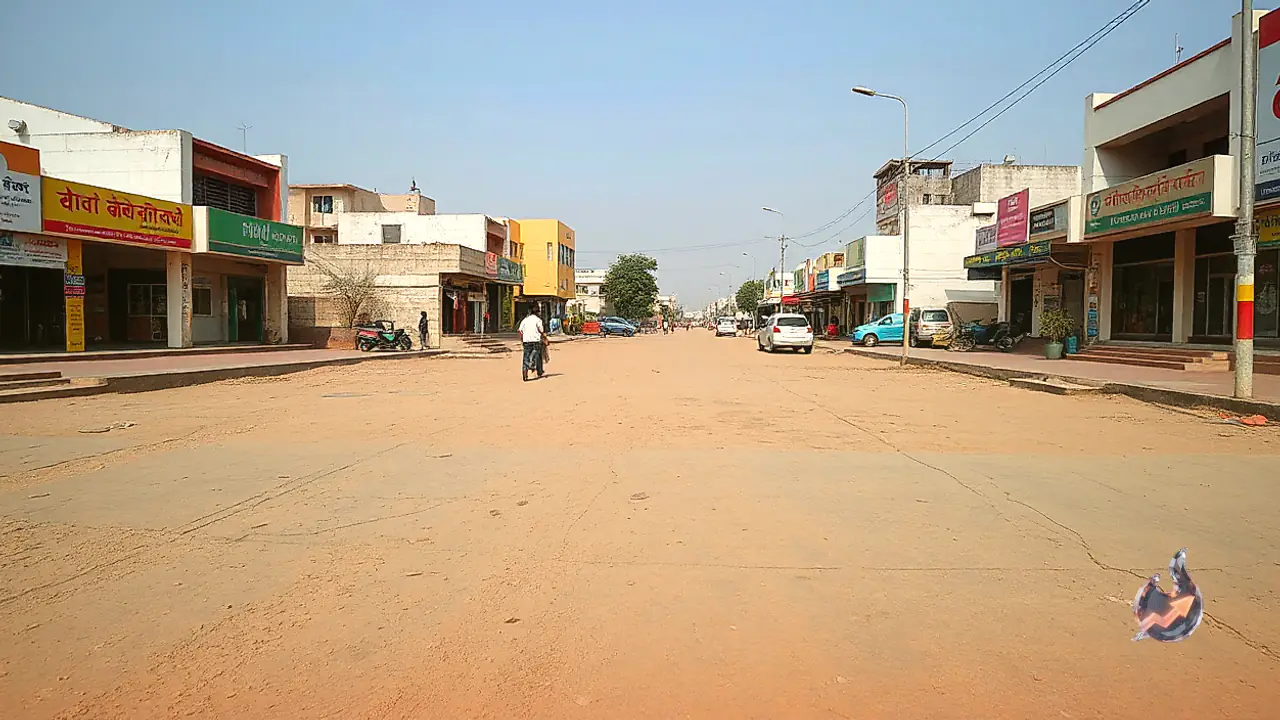














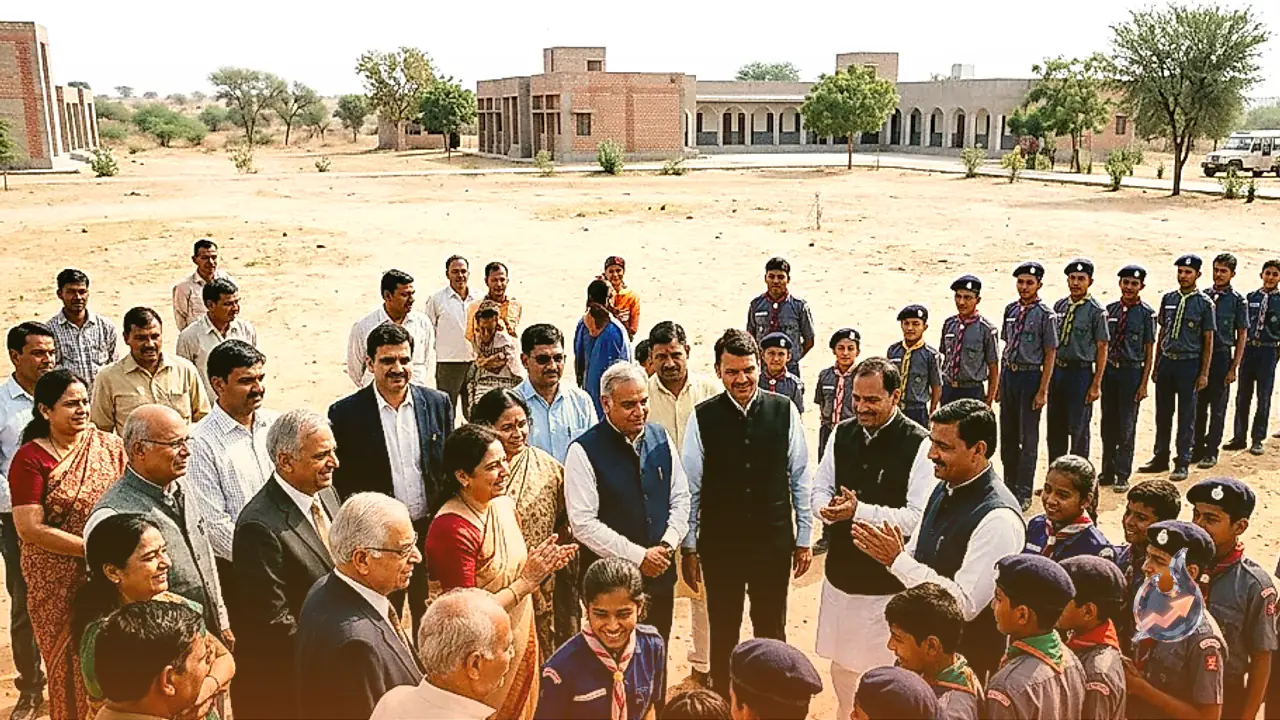

Located about 5 kilometers away from the Surajgarh sub-division in Jhunjhunu district, Kajra is a clean and well-maintained panchayat-level village spread across roughly 6,000 bighas of land. The Jawahar Navodaya Vidyalaya operating in this village provides excellent educational opportunities for talented students from the region. Adding to this progress, the Omprakash Kajaria family, comprising expatriates from Kajra, recently donated 60 bighas of land to help implement a Scout and Guide project at the Navodaya Vidyalaya.
A Growing Hub for Education
At present, Kajra village is rapidly emerging as a primary educational center for boys and girls residing in neighboring villages and hamlets. The village features a total of 10 educational institutions, catering to students from primary education all the way up to college level. Out of these, 4 are government-run schools while the remaining 6 operate as private institutions, offering diverse learning opportunities to the youth.
Tourism and Architectural Significance
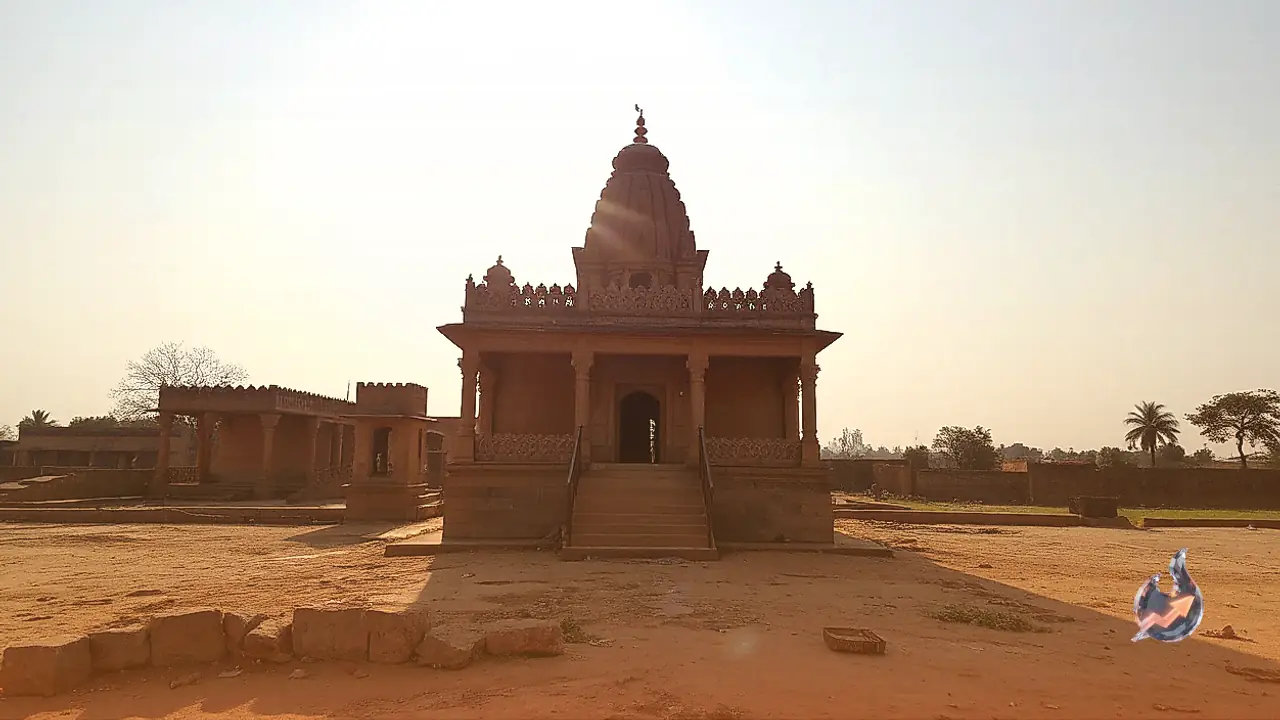
From a tourism perspective as well, Kajra village holds special importance. Apart from the famous Surajgarh Fort, the local havelis are major attractions for visitors. Their architectural grandeur, intricate craftsmanship, and unique construction are deeply captivating. These historical havelis play a crucial role in drawing domestic and international tourists to the area.
Livelihood and Agricultural Shifts
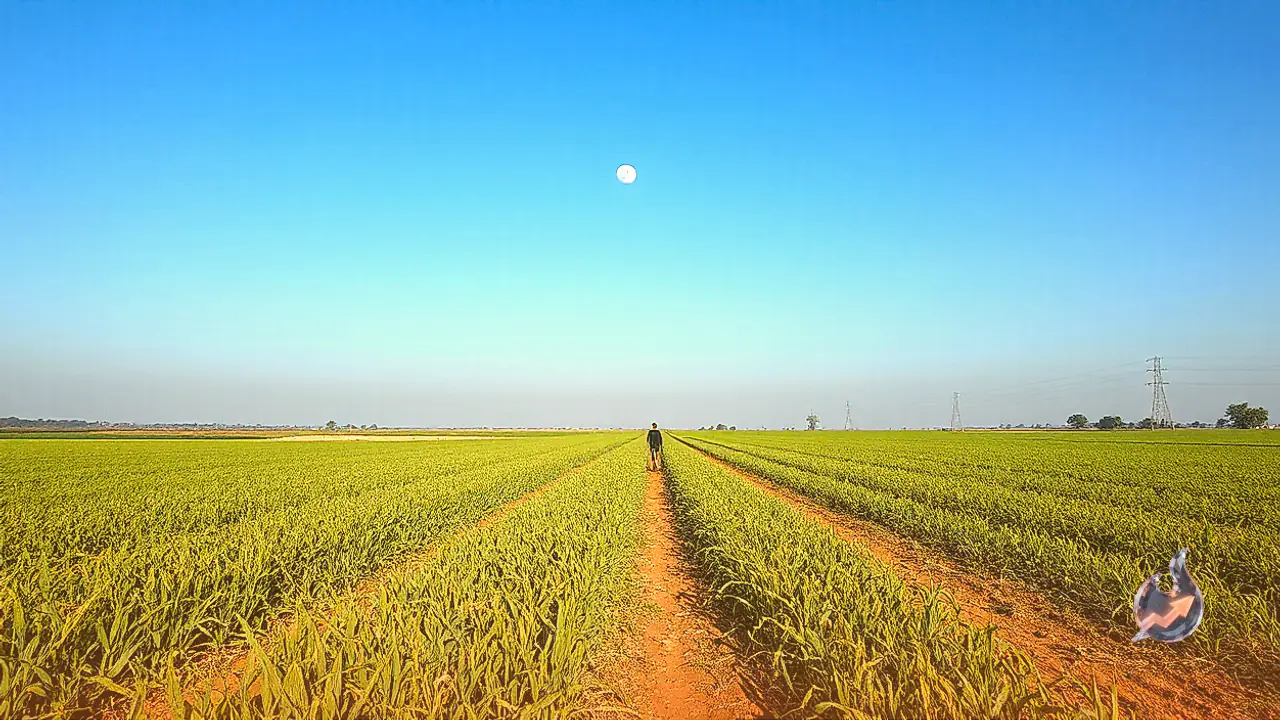
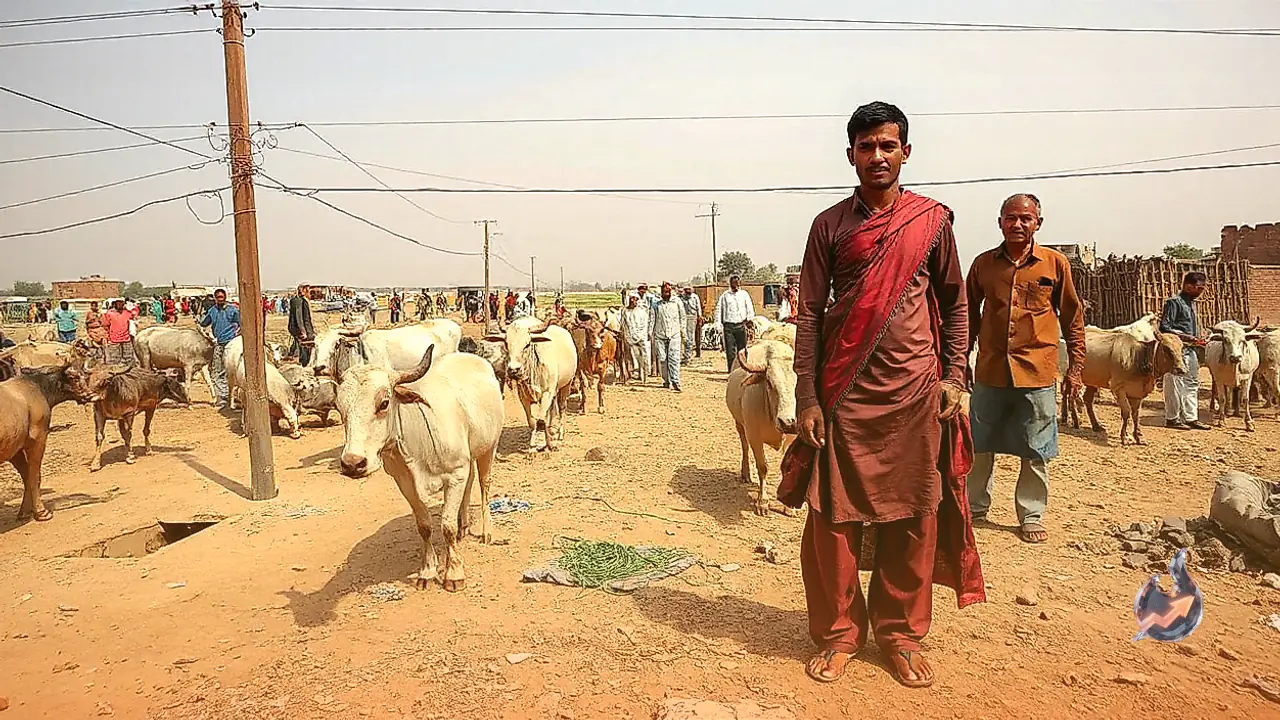
Agriculture and animal husbandry form the primary foundation of livelihood for the local population. Additionally, many residents work in jobs located elsewhere. With changing times, traditional crops like pearl millet (bajra) and green gram (moong) have been largely replaced by the cultivation of wheat, cotton, and mustard. However, the village continues to grapple with persistent challenges, notably the continuous decline in groundwater levels and the presence of fluoride in drinking water, which has caused significant hardship for the inhabitants.
Road Connectivity and Geography
Kajra village is situated roughly 40 kilometers from the district headquarters and 5 kilometers from the Surajgarh sub-division. Its road network connects it directly with the Surajgarh headquarters as well as the villages of Fart, Dulania, Bhagina, and Jeeni gram panchayats, ensuring smooth transit across the region.
A 400-Year-Old History
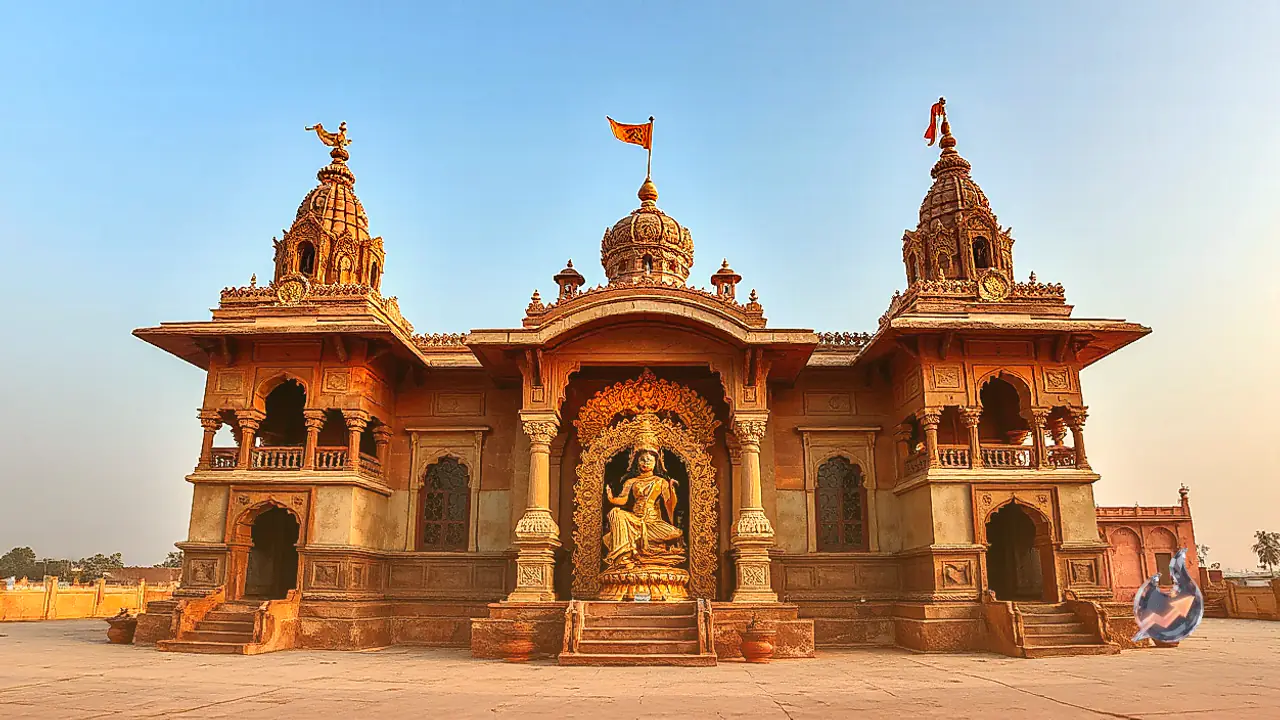
According to former village sarpanch Rajendra Sharma, Kailash Nagwan, and Manjit Tanwar, Kajra village was established in Vikram Samvat 1613 by Pandit Chakrapani Nagwan. He installed the idol of the village's presiding deity, Rejri Kejri Mata. It is widely believed that the village derived its name from Mata Kejri. The village holds deep religious significance due to the presence of the Rejri Kejri Mata temple, which is closely associated with people of the Bansal and Singi gotras. Notable landmarks in the village include a pond, Gandhi Library, and Indira Park. The Bania and Kajaria families have played a vital role in local development, with the Singi family spearheading the renovation of their Kuldevi's temple along with the expansion of modern facilities.
Legacy of Bricks and Sanskrit Scholarship
Historically, Kajra village was renowned across the Surajgarh region for manufacturing baked bricks. During that era, it was also recognized as a major center of education, particularly for Sanskrit studies. Long before the village was settled in its current form, baked bricks were produced here and supplied for the construction of nearby grand havelis, the Surajgarh Fort, and residential buildings in the town. Several families in the village were also celebrated as prominent scholars of Sanskrit, though the locality presently contends with various infrastructural difficulties.