





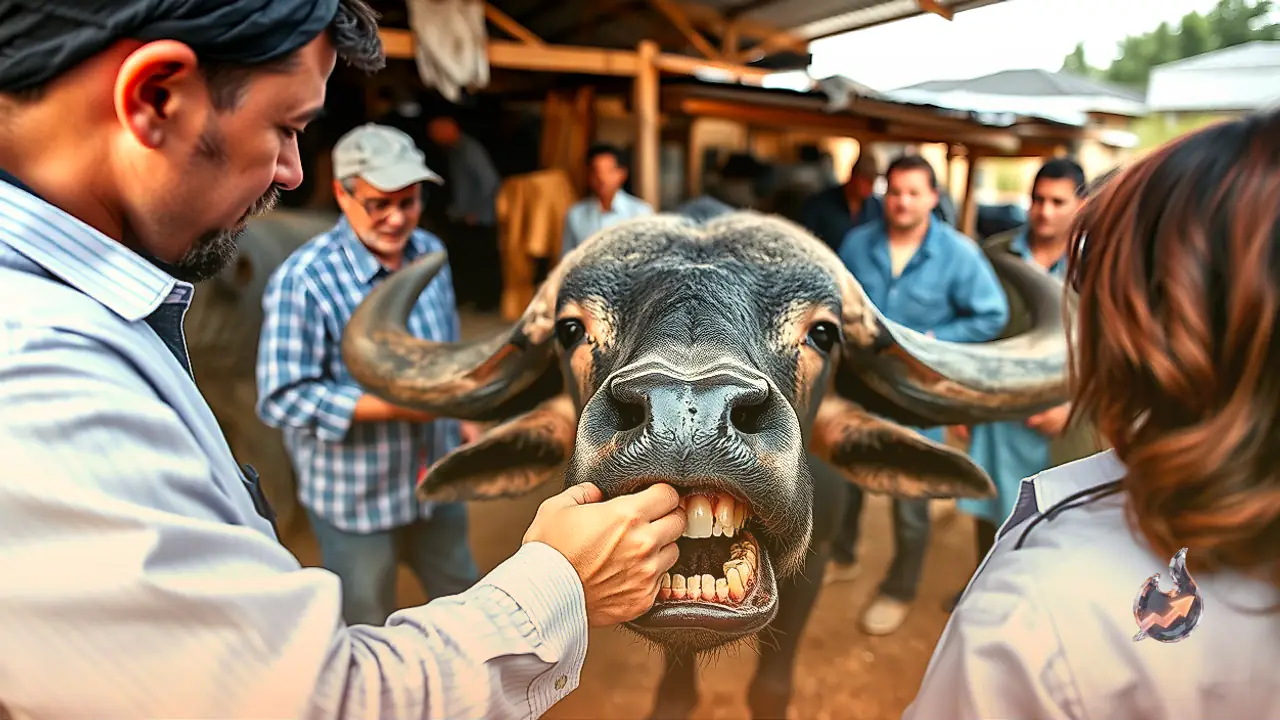

















When preparing to purchase a new bovine, buyers frequently base their entire decision on physical build or current milk production claims. Experienced livestock owners in rural communities have long relied on examining the animal's teeth to gauge its true age accurately. If you are planning to add a new animal to your homestead, looking beyond external appearances and inspecting the dental structure remains a time-tested method to avoid being misled.
How Dentition Changes With Age
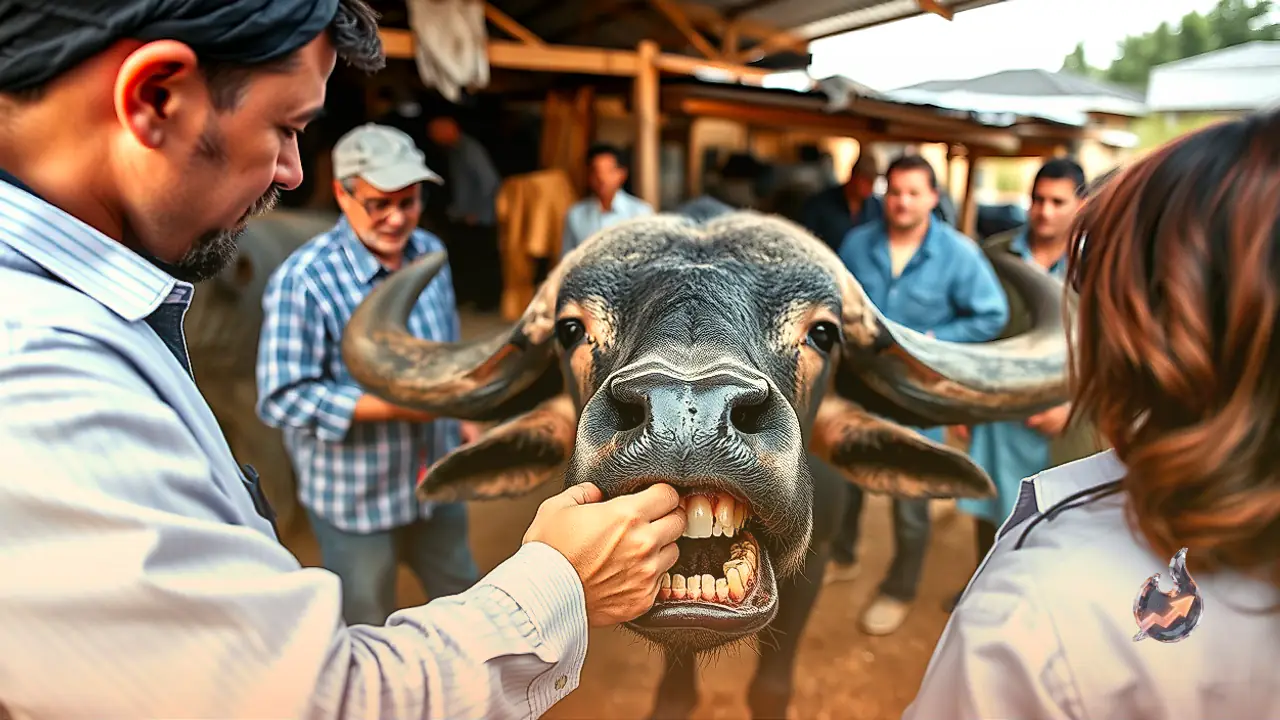
As a bovine matures, temporary milk teeth in the front gradually fall out and are replaced by permanent ones. Typically, the central permanent teeth begin to emerge around the age of two years, followed by the adjacent pairs over the next year to eighteen months. By the time the animal reaches five to six years of age, all eight front teeth are generally permanent. However, because eruption timelines can vary slightly between individual animals, relying solely on this single indicator for exact aging is not entirely foolproof.
Interpreting Dental Wear and Tear
Visible wear patterns appear on the teeth as the animal advances in age. The upper chewing surface can become flattened, and the teeth may appear shorter compared to younger counterparts. Extensive wear can sometimes create noticeable gaps between teeth, which might eventually interfere with the animal's ability to grind tough fodder properly. It is worth noting that dental erosion is not dictated by age alone, as the hardness of the regular diet also plays a significant role, meaning wear patterns should be evaluated alongside other physical traits.
Expert Insights on Health Assessment
Livestock veterinary scientist Diwakar Kumar at Krishi Vigyan Kendra, Sultanpur noted that while dental examination helps estimate age, checking the overall physical health is equally critical. Buyers must carefully observe whether the animal's eyes are clear and bright, ensure the breathing rhythm is completely normal, and watch for any signs of a limp while the animal walks. Any visible cuts, swelling, or abnormal fluid discharge on the hide should never be overlooked. For those purchasing a dairy animal, milking the animal personally on-site is essential to confirm the yield while checking the udder thoroughly for any lumps, tenderness, or inflammation.
Consulting a Veterinarian First
Inspecting teeth provides a useful window into age, but it does not guarantee that the animal is entirely free of internal ailments. Therefore, scheduling a thorough examination with a qualified veterinarian before finalizing any transaction is strongly recommended. Gathering background details regarding past feed habits and medical history further protects buyers from unexpected complications, ensuring the newly acquired livestock proves to be a sound investment.