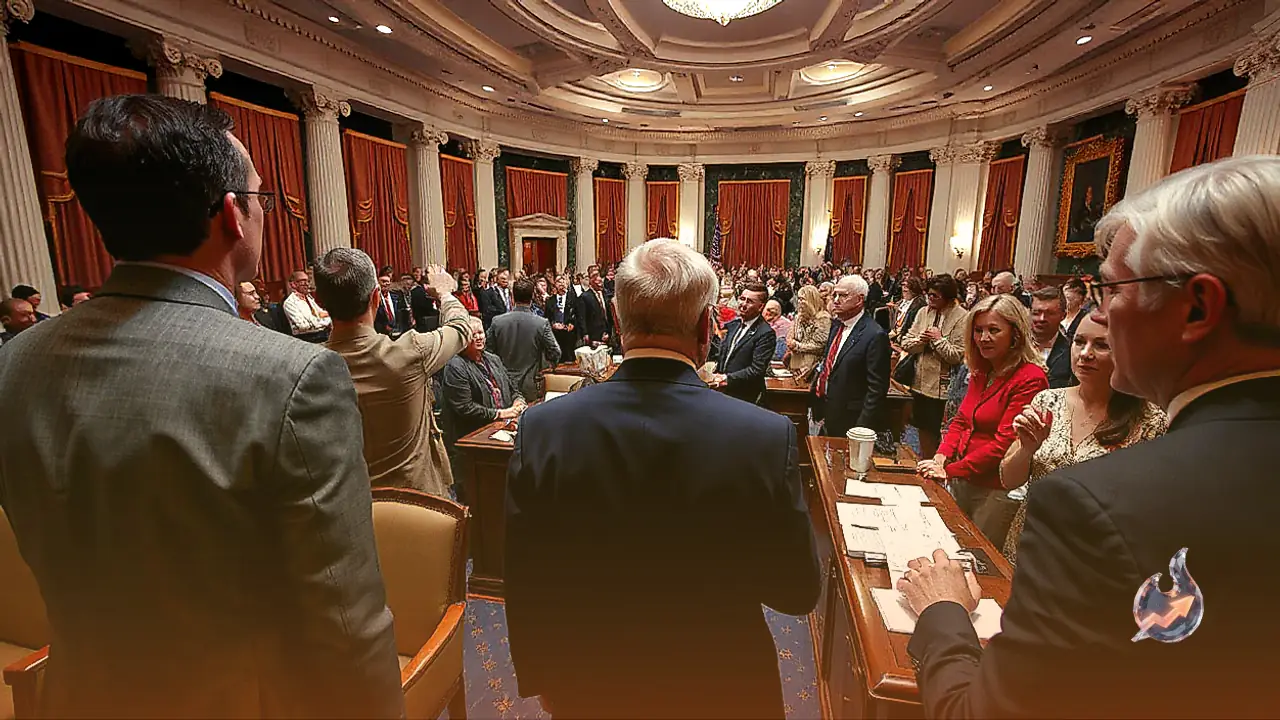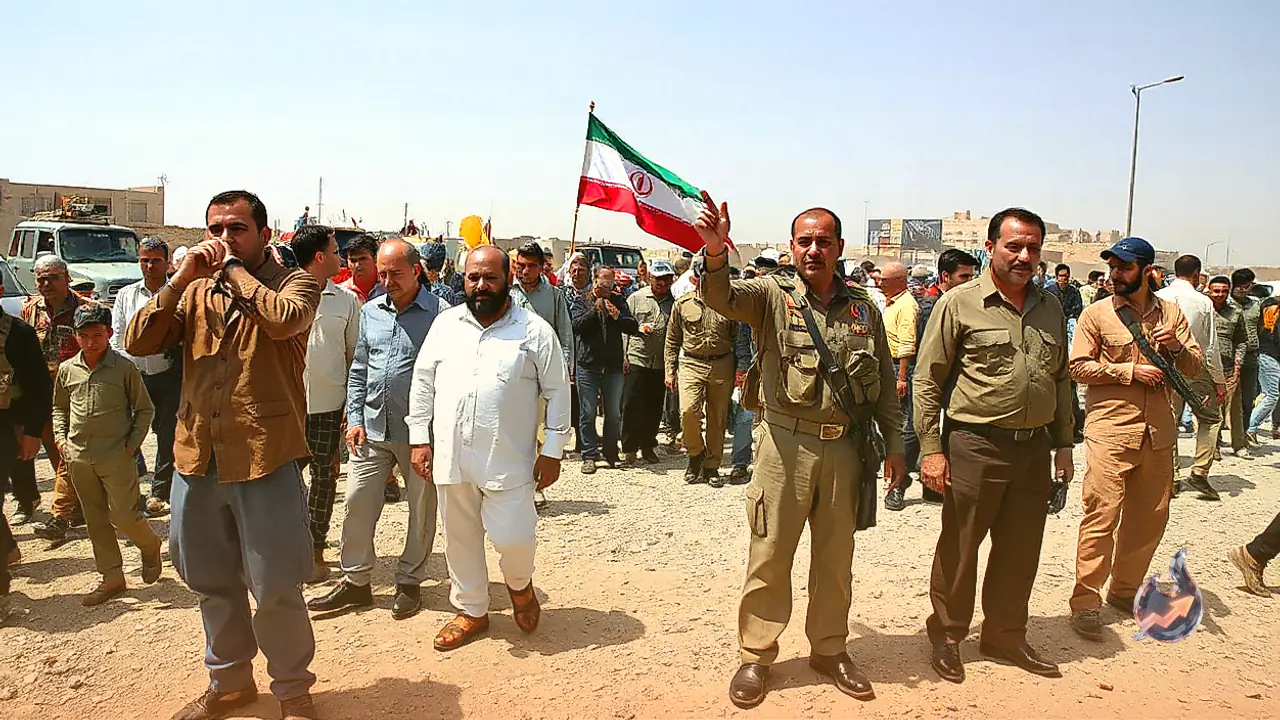





















A dramatic political shift has reshaped Washington following the latest US midterm elections, where the Democratic Party captured majorities in both the Senate and the House of Representatives. In the aftermath of this sweeping defeat for the Republicans, US President Donald Trump publicly addressed the core issues behind the outcome, pointing directly to the ongoing conflict with Iran. Speaking on Wednesday, Trump stated that the military engagement, which has lasted for the past eight months, fundamentally shaped voter sentiment as households grew increasingly frustrated with high fuel costs.
Defending Military Action Despite Soaring Gasoline Prices
Addressing reporters near a newly constructing ballroom at the White House, Donald Trump weighed in on claims made by Vice President JD Vance regarding the party's election reversal. When asked if he agreed with Vance's position that the war caused the Republican loss, Trump remarked that the assessment holds considerable truth because the fighting prompted a short-term spike in gasoline prices. Nevertheless, Trump stood firmly by his geopolitical choices, maintaining that he would make the identical call again if required, emphasizing that halting Tehran from developing nuclear weapons remained an urgent priority.
Vance's Assessment and Prospects of Legislative Gridlock
Vice President JD Vance, widely considered a potential political successor to Donald Trump within the White House, had squarely attributed the decisive defeat of the Republicans to the president's Iran war. The election results now place the executive and legislative branches on divergent paths, signaling impending friction between the administration and congressional leadership.
While Trump initially projected an open and cooperative posture toward working across the aisle with Democrats, he simultaneously cautioned that he would rely on presidential veto authority to block policies conflicting with his goals. Trump remarked that he had no desire to merely sit in office over the next two years constantly vetoing legislation. However, with Democrats firmly controlling both legislative chambers, the administration faces significant policy stalemates as both parties prepare to navigate a deeply divided capital.