



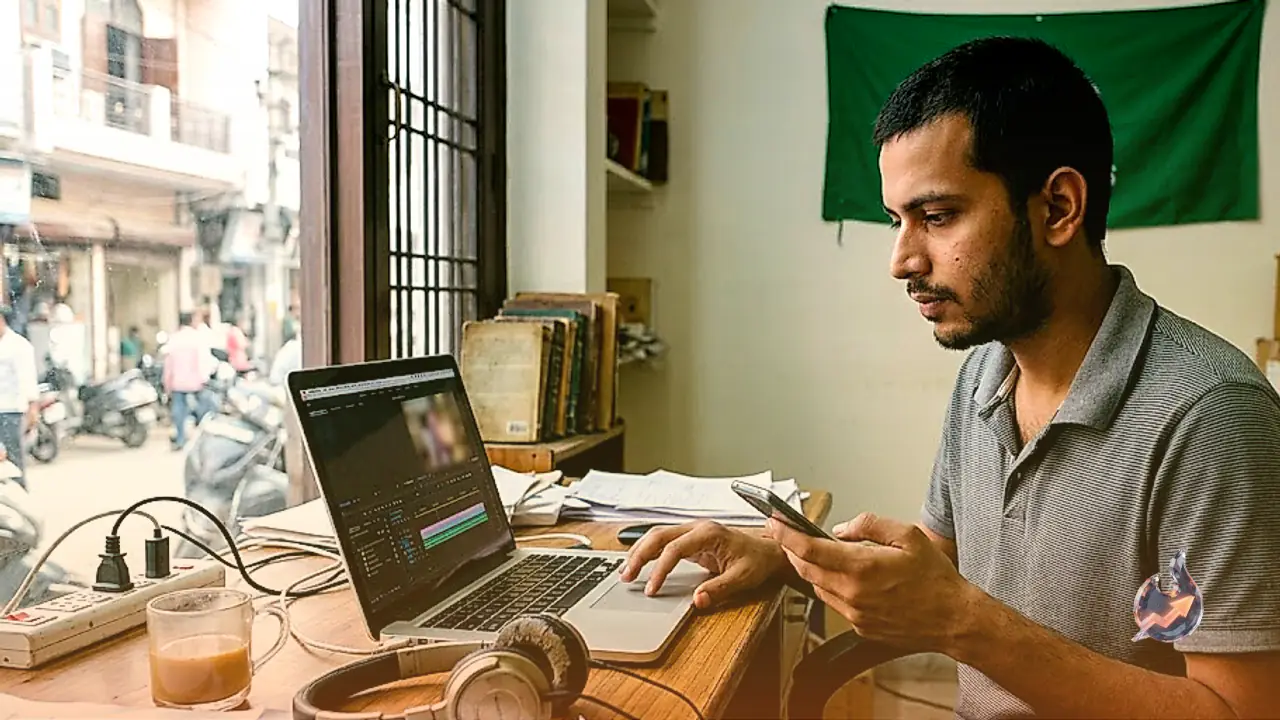


















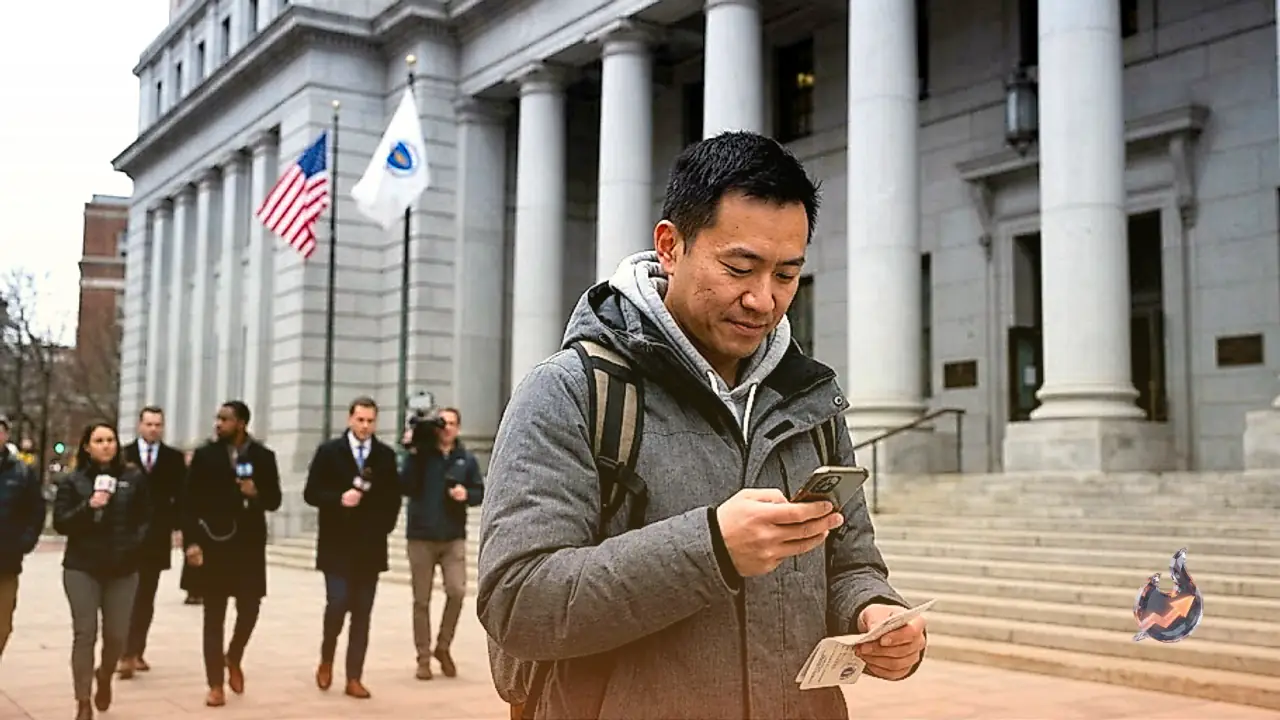

A federal court in Massachusetts has stepped in to block a contentious policy proposal from the Trump administration designed to impose tighter caps on the time foreign students and journalists may reside, study, or work in the United States. Handed down on Monday, the ruling arrived just twenty-four hours before the controversial measure was scheduled to take effect nationwide. The intervention delivers urgent breathing room to thousands of international scholars, prominently including large numbers of students from India, who faced sudden uncertainty regarding their academic stays.
Economic and Academic Warnings from the Bench
In issuing the preliminary injunction, Judge F Dennis Saylor IV cautioned that implementing the policy would very likely trigger catastrophic fallout across the American economy and its higher education infrastructure. While federal attorneys argued that the tighter rules were critical to safeguarding national security, the court firmly rejected that justification, freezing the implementation of the measure until the legal challenges can be thoroughly examined at trial.
The government had also pressed the court to restrict any legal remedy solely to the plaintiffs involved in the lawsuit, rather than issuing a nationwide injunction. Judge Saylor dismissed that argument as unworkable. He pointed out that while the plaintiff coalition represents nearly 600 public and private colleges, there are over 5,000 post-secondary educational institutions functioning across the United States. Limiting the ruling to the named parties would have forced immigration officials to maintain two competing regulatory systems simultaneously, resulting in continuous, inconsistent evaluations over whether individual foreign students or schools qualified for protection.
The Core Mandates of the July Regulatory Package
Finalized in July, the measure introduced rigid duration limits that altered longtime immigration practices. It established a strict four-year cap on foreign student and exchange visitor visas, alongside a 240-day limit on foreign media accreditations. Journalists originating from China were placed under an even tighter window, restricted to stays of just 90 days. Although the policy provided a mechanism for scholars and journalists to seek extensions, all approvals were left entirely to the discretion of Department of Homeland Security (DHS) personnel. Critically, the framework offered no procedural avenue for individuals to appeal a denial.
Broad Opposition Across Academia and Organized Labor
The regulatory overhaul sparked an immediate legal pushback from educational organizations and labor unions representing university personnel. Among the prominent academic voices who spoke out, Harvard President Alan M. Garber pointed out the practical flaws in the four-year ceiling. During public remarks in July, Garber termed the policy odd, highlighting the vast disconnect between a four-year cutoff and academic reality. Garber stressed that a typical PhD programme usually takes at least six years, making four years an impractical threshold for international doctoral candidates.
Scrutiny Over Administrative Discretion and Free Press Risks
In defense of the rules, the Department of Homeland Security argued that definite expiration dates were essential to detect fraudulent filings and prevent noncitizens from overstaying permitted terms. However, Judge Saylor observed that granting unchecked discretionary power opened the door to administrative overreach and selective enforcement. In particular, the judge pointed to the clear danger that foreign journalists who published reporting critical of the federal administration or DHS personnel might simply be denied extensions without recourse.
Judge Saylor noted that the fragile link between the policy and its stated justifications raised significant doubts about the actual motivation behind the overhaul. He remarked that it invited legitimate questions over whether the primary goal was genuinely border integrity and security, or rather an attempt to achieve unspoken objectives such as asserting increased government control over academic campuses and the working press. With the injunction now active, existing visa durations will stay in place pending further proceedings.