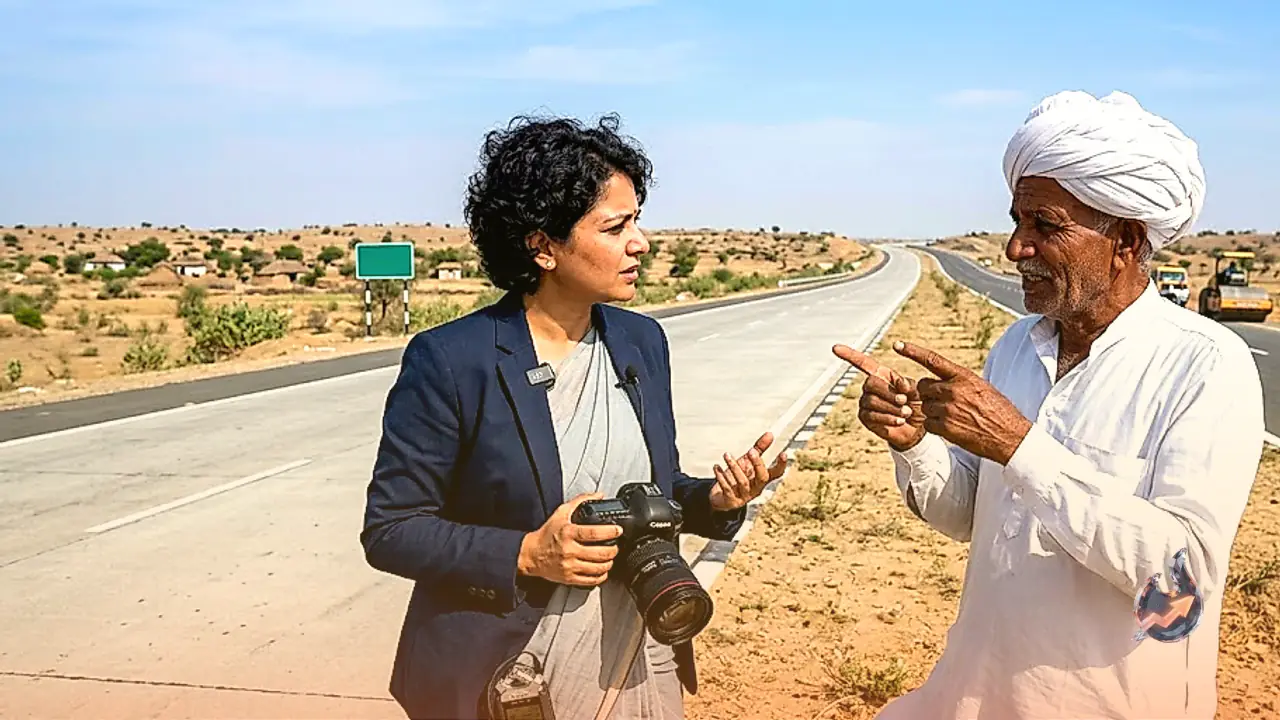

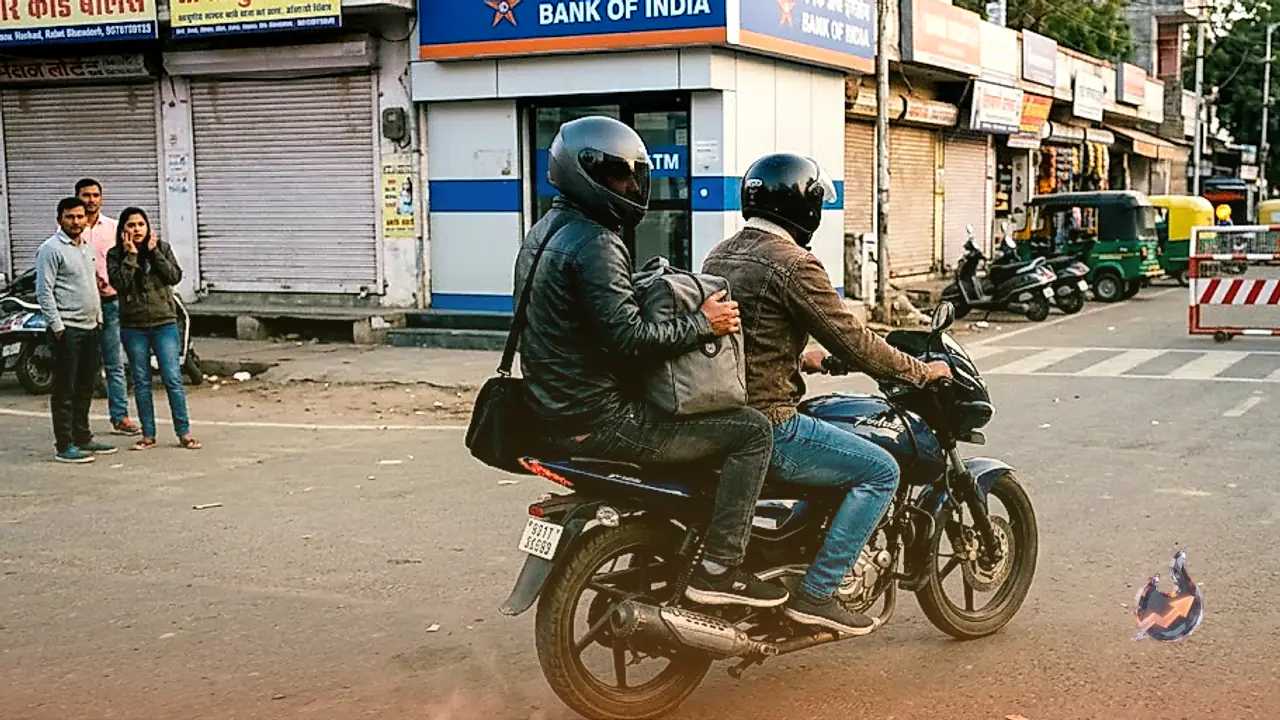

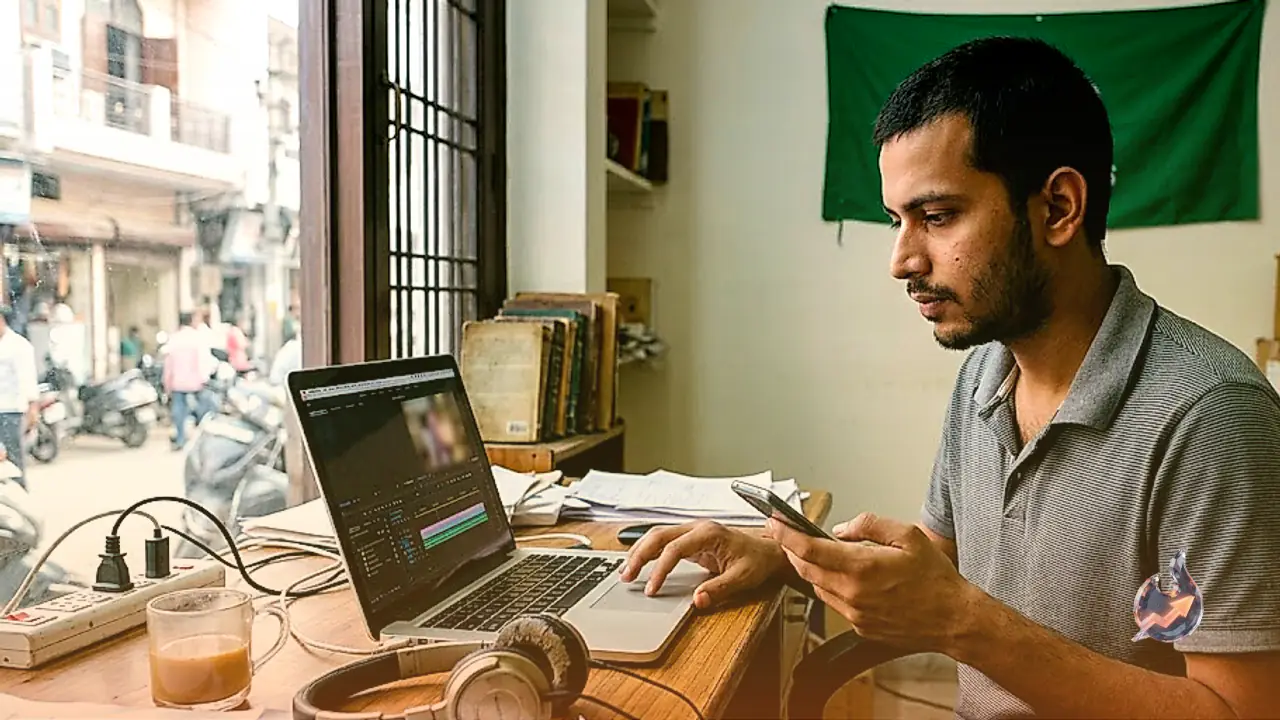


















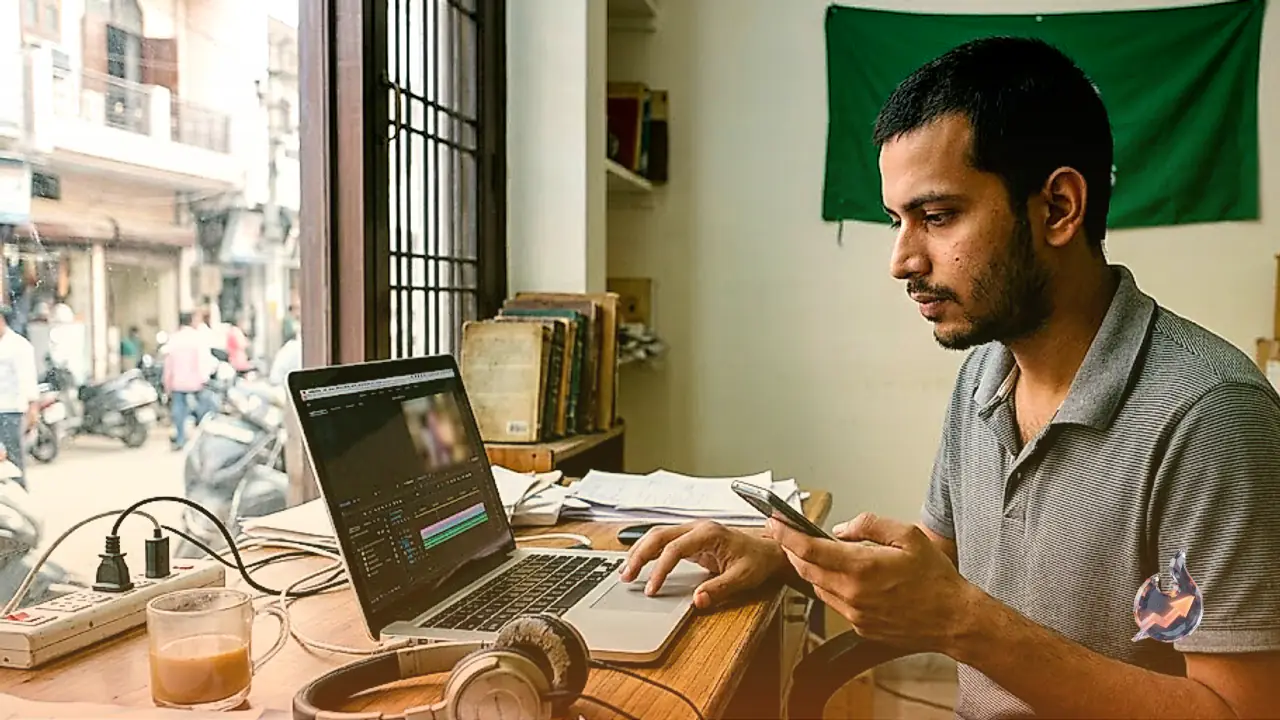

Following failures to infiltrate conventional proxy operatives, Pakistani military intelligence and the ISI turned toward a sophisticated and malicious digital scheme aimed at stoking domestic unrest within India. Having faced setbacks in previous efforts such as Operation Sindoor, cross-border strategists shifted their resources toward narrative warfare, seeking to exploit internal social fault lines. This covert propaganda drive was organized under the internal code name Operation The Ground Wire, targeting young graduates to wage an information war against their own country.
The scheme specifically preyed upon unemployed journalism graduates aged between 22 and 26 years, enticing them with fixed monthly retainers ranging from 30,000 to 40,000 rupees. These young reporters were directed to capture public reaction videos on highly sensitive political, religious, and social topics. The underlying objective was to present these carefully curated street interviews to a global audience, creating a misleading impression that ordinary Indian citizens were rising up in widespread opposition against their own nation and its institutions.
Pakistani Military Handler at the Helm
The entire operation was directed by an active Pakistani army officer identified as Lieutenant Colonel Zia. Recognizing the economic vulnerability of fresh media graduates in India, the planners formulated a strategy to hide behind genuine domestic faces. Rather than relying on foreign spokespersons or overt propaganda outlets, the planners chose to deploy local youth to lend authenticity to their disinformation output.
These young recruits were instructed to stage interviews across public spaces under the pretext of gauging grass-roots sentiment. By guiding the conversations toward pre-determined grievances, the handlers sought to generate a reservoir of video material showing Indian citizens vocally challenging state authority, social stability, and national policies. This provided ready-made raw material that could be packaged as spontaneous civil disaffection.
The Digital Façade of Bharat Bytes News
To provide institutional cover for their propaganda mission, Pakistani military handlers established a faux digital news entity named Bharat Bytes News. Far from operating in the shadows, the platform was deliberately built to resemble an authentic Indian digital publisher. The entity functioned through a dedicated portal registered at bbnewsofficial.in and maintained an extensive footprint across social media channels, including X, Facebook, Instagram, and YouTube.
The branding, design, and presentation of the network were tailored to mimic conventional Indian independent digital outlets, ensuring that viewers and contributors would not suspect foreign orchestration. The enterprise was created to confuse the domestic audience while projecting anti-India narratives as genuine domestic discourse. Young job aspirants, believing they had landed a legitimate role in media reporting, were progressively drawn into executing anti-national assignments.
Recruitment Pipelines via Instagram and Messaging Apps
The recruitment methodology devised by cross-border handlers combined social media advertising with careful identity concealment. Targeted advertisements promising lucrative editorial roles and field reporting careers were deployed across Instagram to attract mass communication graduates and video bloggers.
Once prospective candidates engaged with these postings, handlers established direct contact through mobile phone numbers that carried Indian country codes. These local connections had been acquired using forged identity credentials and fabricated documentation to prevent rapid detection by domestic authorities. The conversation was swiftly migrated to encrypted messaging platforms such as WhatsApp. After initial recruits were brought on board, they were incentivized to refer colleagues and classmates, rapidly expanding the pool of unsuspecting field reporters who gathered footage on the ground.
Curated Agendas from CJP Protests to National Security Fabrications
The contributors were strictly barred from covering routine municipal or standard developmental developments. Instead, editors operating from Pakistani military desks supplied strict, scripted guidelines aimed squarely at creating societal friction and targeting national cohesion.
- Focus on CJP Protests: Handlers directed local reporters to heavily focus on demonstrations connected with CJP, selecting volatile social flashpoints to deepen community divides.
- Fabricated Temple Controversies: Recruits received orders to stage interviews regarding alleged donation irregularities surrounding the Ayodhya temple and fictional topics linked to Operation Sindoor.
- False Claims on Defense and Security: Handlers instructed teams to manufacture video segments alleging severe security lapses during the Pahalgam terror incident and spreading fabricated claims concerning a purported Rafale crash to undermine public morale.
- Exploiting Sensitive Social Issues: Pre-arranged scripts were utilized to capture staged reactions on communal controversies, demolition of religious structures, economic hardship, and alleged restrictions on press freedom.
On the ground, the Indian recruits served strictly as field videographers, transmitting raw footage back to their handlers via encrypted messaging applications. Cross-border editorial units in Pakistan then took charge of post-production, re-editing the sequences, layering voice-overs, and framing the clips to maximize anti-India sentiment before circulating them across the Bharat Bytes News digital channels.
Crypto Channels and Multi-Tiered Financial Incentives
To retain young graduates and maintain continuous production, the organizers paid regular salaries between 30,000 and 40,000 rupees every month. For fresh graduates seeking their first break in digital journalism, this consistent income proved compelling enough to deter them from questioning the editorial motives behind their assignments.
Evading surveillance by financial and security agencies required an elaborate money transfer apparatus. Pakistani handlers initially routed capital through cryptocurrency agents abroad. These digital assets were subsequently liquidated through multiple intermediaries and layered through various bank accounts, disposable UPI accounts, and direct cash disbursements. The investigation further revealed that two primary contributors based in Uttar Pradesh had been entrusted with managing regional reporting tasks alongside supervising junior recruits across the state.