



















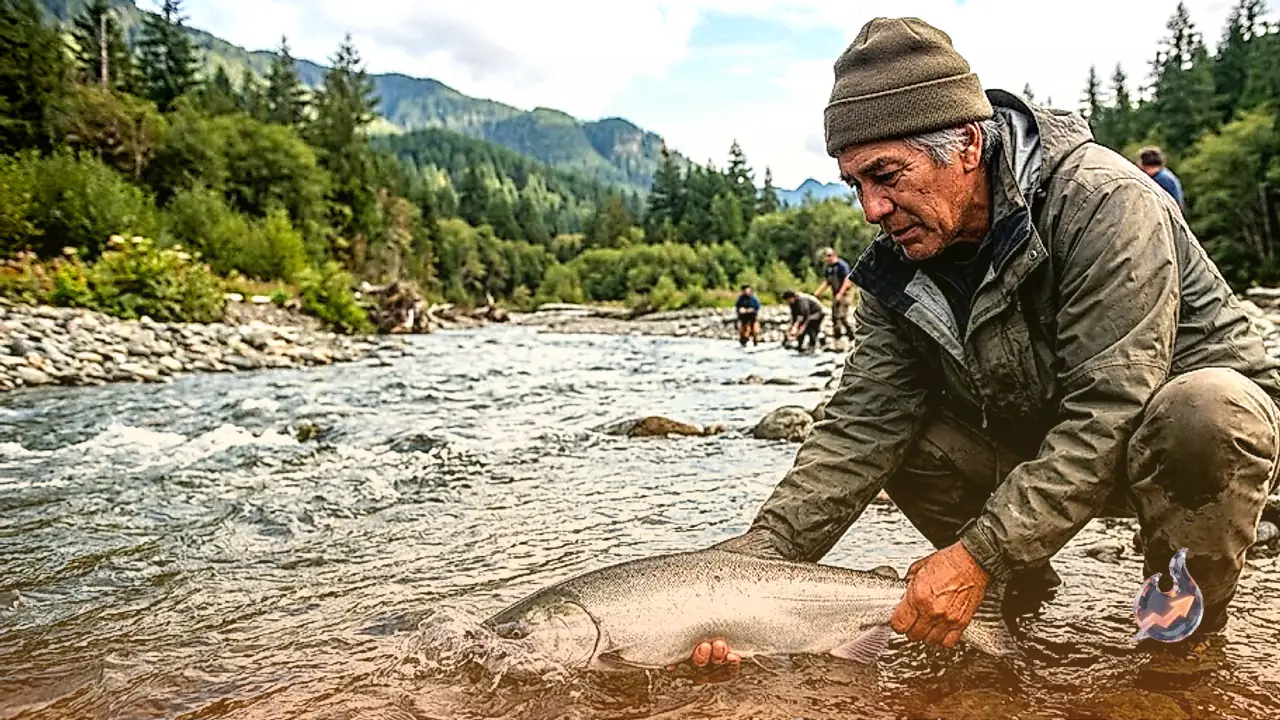

When natural waterways are unchained from heavy industrial infrastructure, the resilience of aquatic ecosystems can surpass the most optimistic forecasts. Flowing through the heart of the Olympic Peninsula in Washington State, the 45-mile Elwha River stands today as an internationally recognized benchmark for river restoration. For nearly an entire century, this waterway remained suffocated behind towering concrete barriers that extinguished fish populations and degraded the surrounding landscape. Once the barriers fell, the rapid resurgence of wildlife and vegetation proved that century-old ecological damage can be reversed when natural flow is reinstated.
Industrial Expansion And The Construction Of Two Monolithic Barriers
The origin of the river's obstruction dates back approximately 110 years. Canadian industrialist Thomas Aldwell envisioned harnessing the rushing waters of the Olympic Peninsula to supply electricity to the fledgling town of Port Angeles in Washington. During this period, the settlement was experiencing a major industrial surge, marked by the arrival of high-demand timber mills and manufacturing facilities requiring substantial, uninterrupted electrical capacity. To satisfy these expanding energy requirements, plans moved forward to obstruct the river's channel.
Securing government approval, Thomas Aldwell initiated construction on the initial structure in 1910, known as the Elwha Dam. Construction crews completed the barrier in 1913. As the town's industrial base continued to grow, the energy supplied by a single dam proved insufficient. In 1927, developers erected a second, larger structure roughly 8 miles upstream, christened the Glines Canyon Dam. While this hydroelectric network illuminated mills, homes, and factories across the region, it inflicted immediate, devastating consequences upon the aquatic life that had thrived in the basin for millennia.
The Severed Migration Of Anadromous Fish And Sedimentary Starvation
Engineers operating during the early twentieth century designed both dams without regard for the requirements of migrating marine life. Neither barrier included fish passages, ladders, or bypass systems to help native species navigate around the concrete walls. This fundamental design failure devastated anadromous fish, species that hatch in inland freshwater channels, spend their adult lives in open saltwater oceans, and swim back upstream to freshwater gravel beds to spawn and produce offspring.
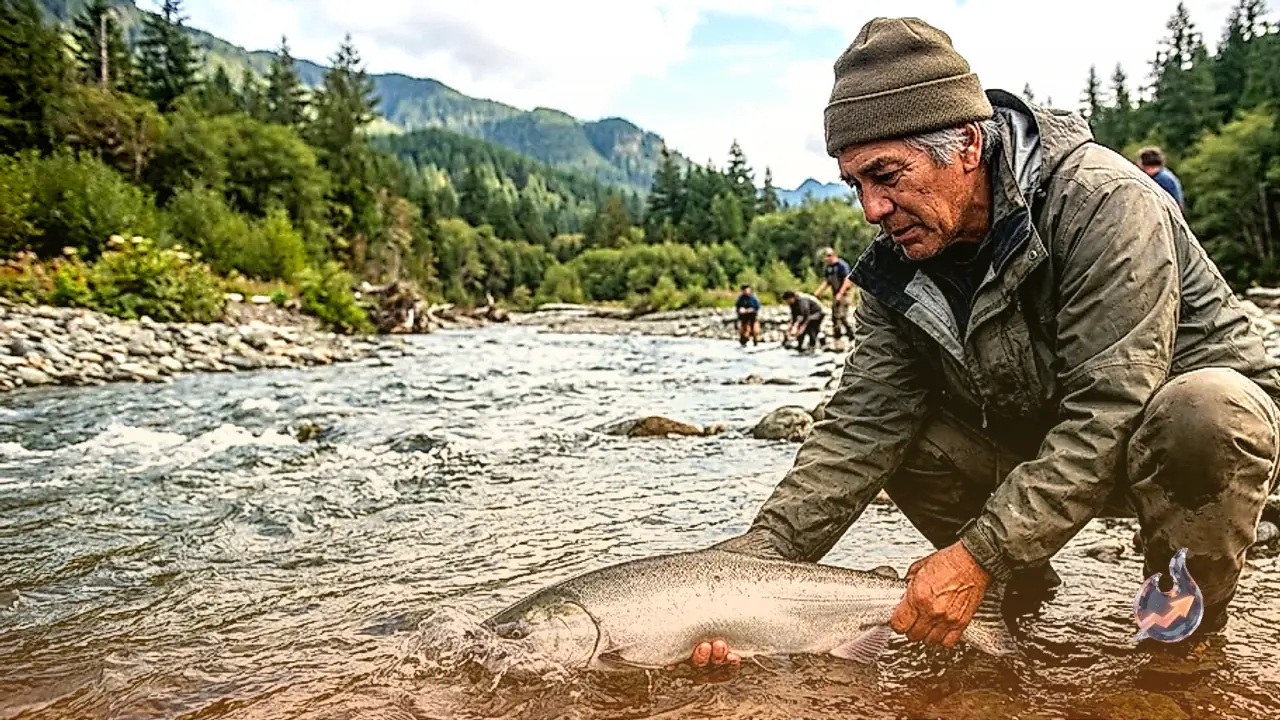
Salmon represented the core of this migratory cycle. Prior to the river's impoundment, the Elwha River basin was renowned as the premier wild salmon habitat outside Alaska. Before 1913, enormous salmon runs pushed deep into mountain channels across the entire length of the watershed. Once the concrete walls went up, the migratory territory for spawning salmon collapsed from dozens of miles into an isolated 5-mile corridor situated below the lower dam.
Simultaneously, the dams severed the natural transport of geological materials. For decades, mountain gravel, rich organic silts, and coarse sand washed downstream, only to become trapped within the reservoirs behind the dams. Denied fresh deposits of silt and sand, lower riverbanks suffered intense erosion. The clean gravel beds essential for salmon to safely deposit their eggs degraded into bare rock or washed away entirely, transforming vibrant aquatic habitats into barren stretches of water.
Cultural Disruption For The Lower Elwha Klallam Tribe
The collapse of native fisheries delivered a profound blow to the Lower Elwha Klallam Tribe. For countless generations, this Indigenous community had inhabited the river valley, relying on abundant salmon runs as the cornerstone of their daily existence, diet, spiritual ceremonies, and communal heritage. The river was woven directly into their collective identity.
With the disappearance of the legendary salmon migrations, the tribe's foundational practices were placed in grave jeopardy. Rather than accepting the loss, tribal leaders, environmental scientists, and conservationists mounted a coordinated, decades-long campaign demanding the decommissioning of both dams. They sustained legal and political pressure on federal authorities, arguing that true justice and ecological recovery required taking down the dams and restoring the natural hydrology of the watershed.
The 1992 Federal Mandate And The Road To Removal
Decades of sustained advocacy bore fruit when the United States Congress intervened by enacting landmark environmental legislation. In 1992, lawmakers passed the Elwha River Ecosystem and Fisheries Restoration Act. This statute granted the Secretary of the Interior explicit authority to acquire both privately owned hydroelectric dams on behalf of the federal government.
The legislation mandated comprehensive measures necessary to achieve full restoration of the natural ecosystem and native fish populations of the Elwha basin. Resolving intricate legal claims, conducting exhaustive geological surveys, and securing federal funding allocations consumed nearly two decades. Nevertheless, the statute firmly established that the concrete barriers would ultimately be dismantled.
The Largest Dam Decommissioning Project In History
In 2011, environmental history was made as heavy demolition equipment began dismantling both structures. The effort represented the largest dam removal undertaking ever attempted anywhere in the world. Over 100 years of operation, the twin reservoirs had accumulated an estimated 24 million cubic yards of sediment, rock, and silt behind their impoundments. To visualize this staggering volume, that amount of silt could fill 8 major football stadiums from ground level to the roofline.
As hydraulic excavators and controlled blasting breached the dams, the liberated river began transporting this massive buildup of sand and silt downstream toward the ocean. Within a brief span of years, the released sediment rebuilt sandy coastal estuaries and nearshore beaches near the river's mouth that had disappeared decades earlier. As natural riverbanks stabilized and pristine gravel beds re-emerged, salmon quickly returned to ancestral spawning grounds high in the mountains, demonstrating nature's remarkable ability to regenerate when artificial barriers are eliminated.