





















A sharp legislative development in the United States Congress has placed a spotlight on global energy trade, particularly targeting nations purchasing Russian crude oil. Legislation designed to penalize buyers of Russian energy could directly affect key importers such as India and China. While no additional 100 percent tariff has been imposed on India at present, the advance of this draft legislation signals rising trade scrutiny from Washington.
Diplomatic Alignments at the BRICS Summit
Attention in Washington intensified following the recent BRICS summit held in New Delhi, where visible engagement between India, China, and Russia drew worldwide interest. India also engaged closely with Iran alongside strengthening communication with its regional counterparts. The administration under President Donald Trump has been closely observing these geopolitical shifts, with policy circles expressing unease over uninterrupted petroleum flows from Moscow to emerging markets.
Legislative Progress in the US Senate
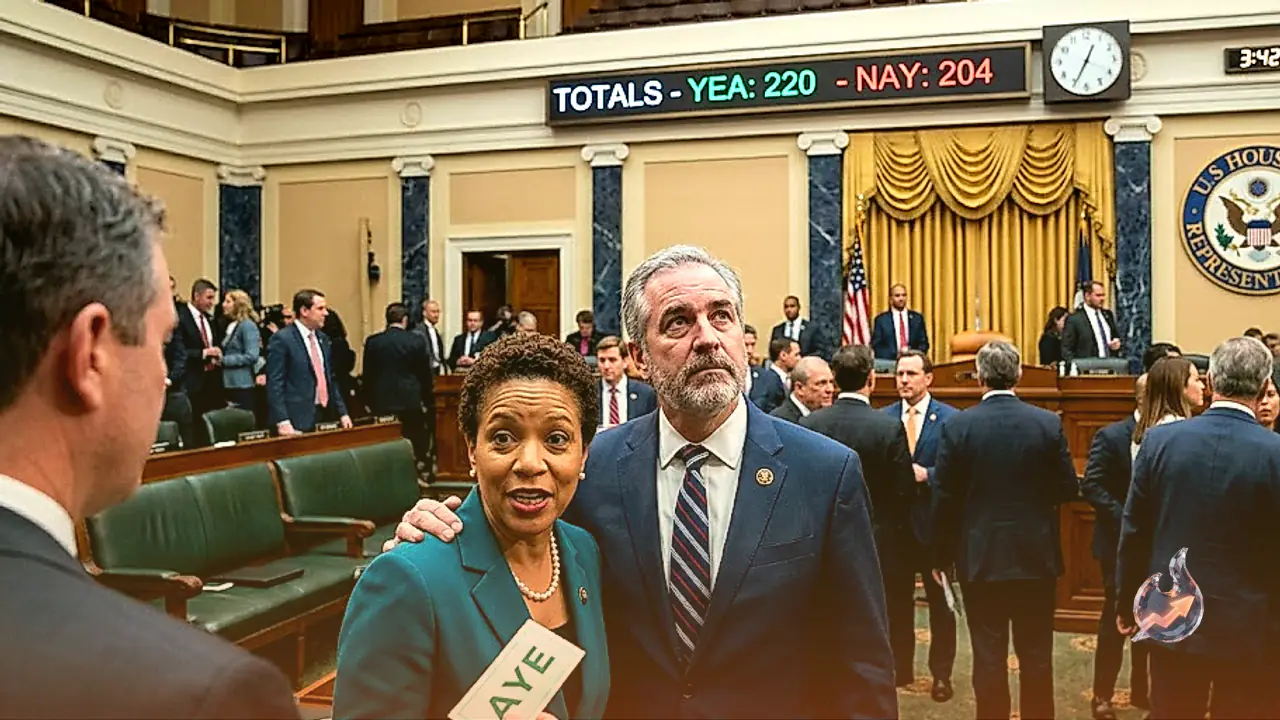
The punitive framework has been introduced under the name of late Republican lawmaker Lindsey O. Graham, titled the Sanctioning Russia and Iran Act of 2026. After intense debate on Capitol Hill, the United States Senate formally passed the measure by an overwhelming bipartisan tally of 86 votes in favor to 11 against. The legislative package has now moved to the House of Representatives, where lawmakers are slated to debate and vote on its final provisions.
Punitive Tariffs of Up to 100 Percent
The draft measure establishes sweeping trade restrictions against nations that persist in purchasing crude oil from Russia. Under its core clauses, importing countries face the risk of additional import tariffs reaching up to 100 percent. Because India continues to rely substantially on crude deliveries from Moscow, the progression of this bill through the House of Representatives carries significant implications for bilateral trade stability.