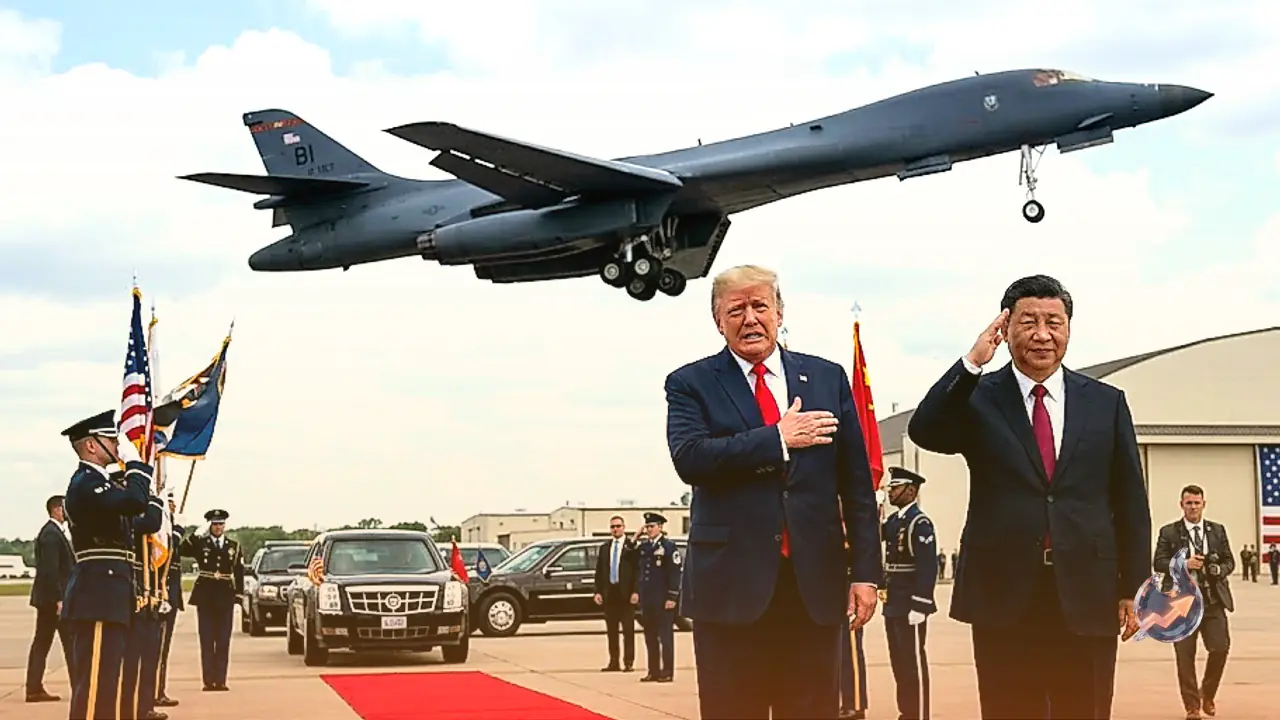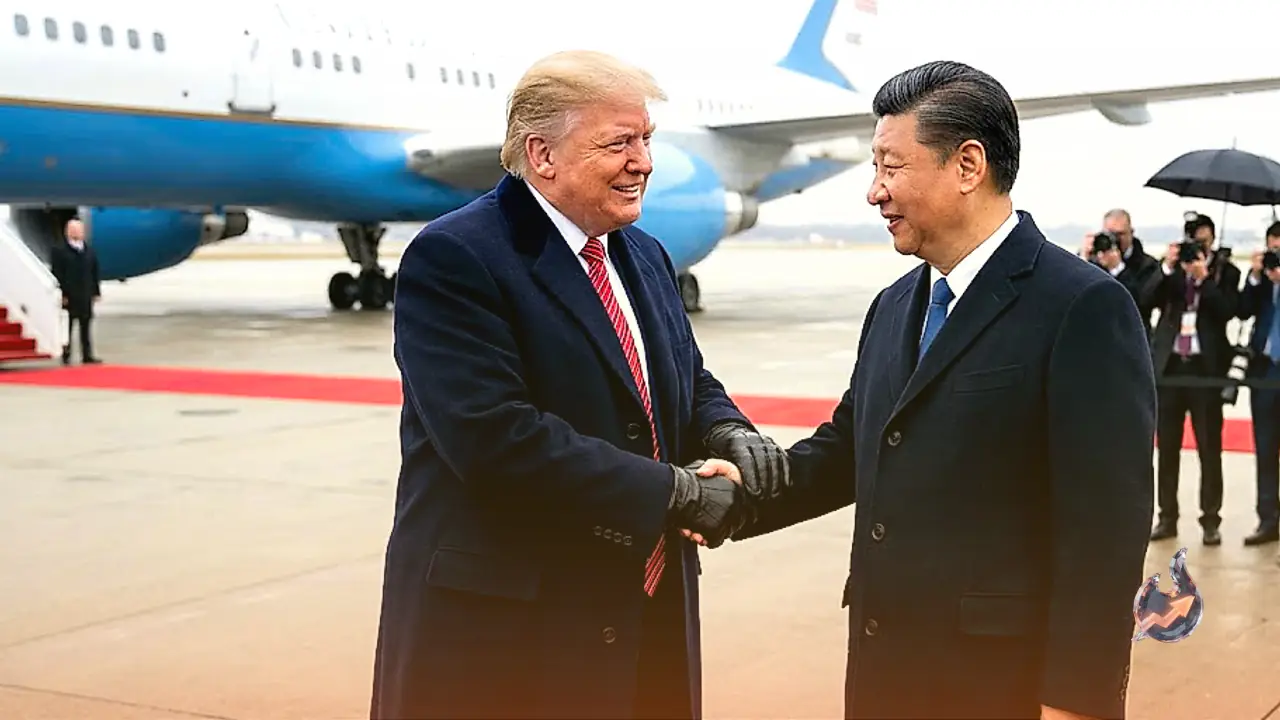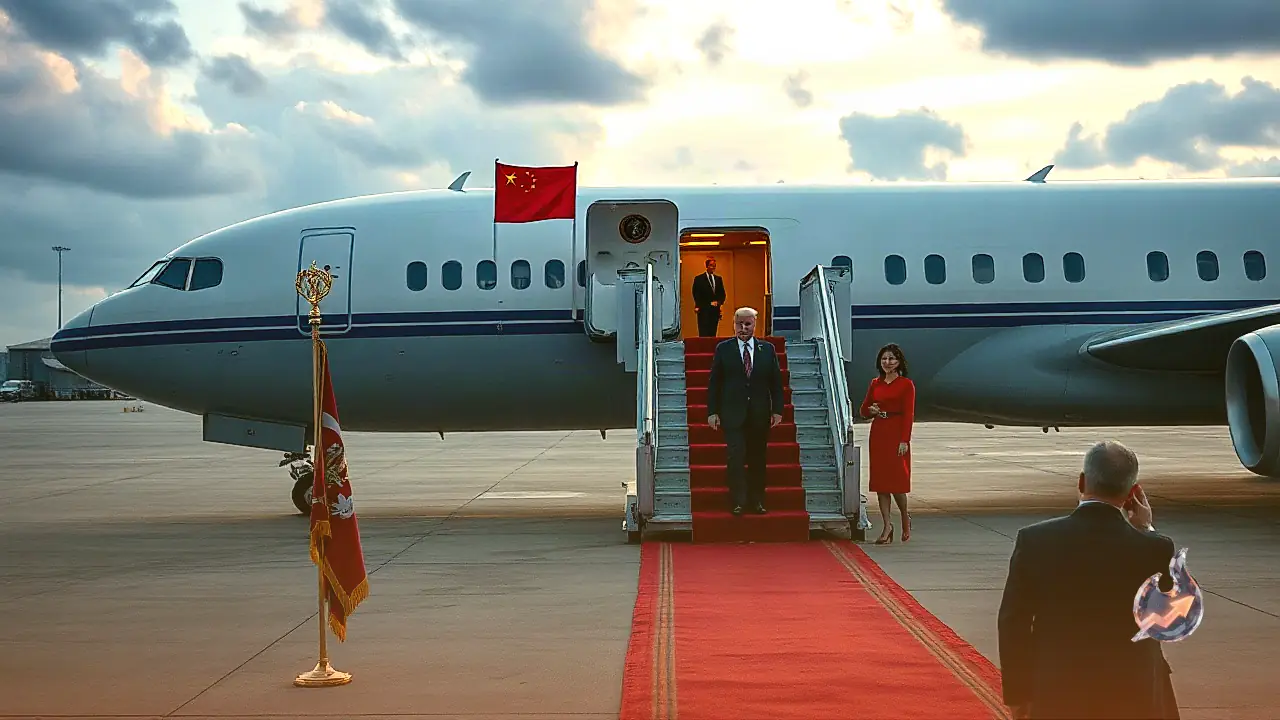

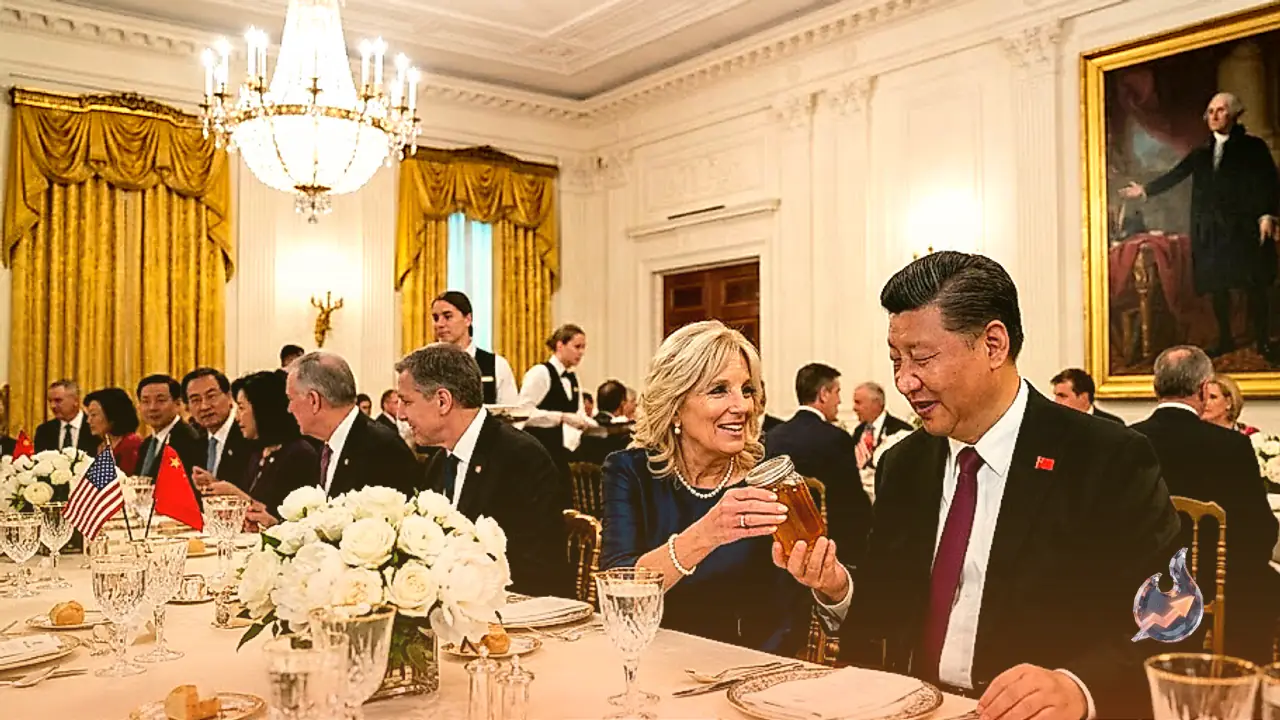


















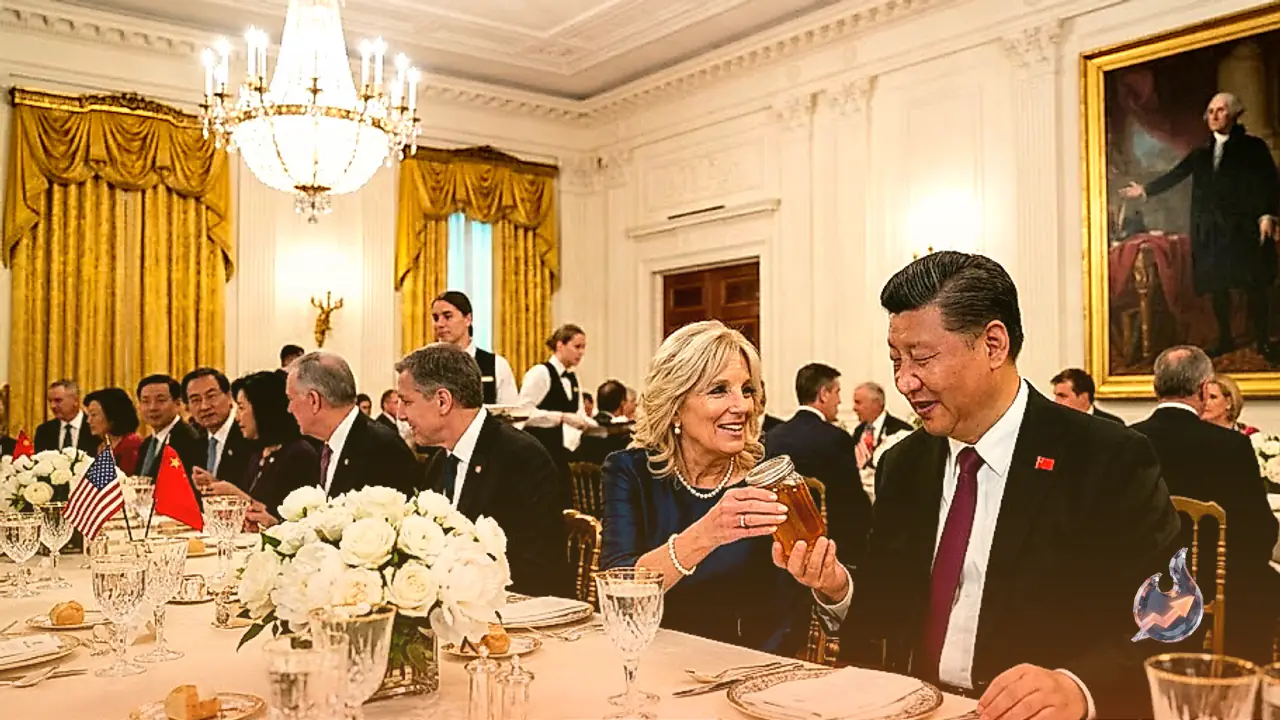

A high-profile state banquet hosted by US President Donald Trump for visiting Chinese President Xi Jinping placed executive culinary diplomacy under the global spotlight. Marking an attentive reception that began with personal tarmac greetings and formal red carpets upon arrival, the gathering at the White House on Thursday evening brought together influential figures from the technology and corporate landscapes. Beyond formal diplomatic exchanges, the meticulously planned dinner revealed how carefully designed gastronomy serves to articulate host culture and strategic hospitality on the global stage.
Curated Gastronomy Guided by Melania Trump
The culinary selections for the evening were shaped directly by Melania Trump, leaning heavily into classical French techniques while integrating distinct American elements. In state diplomatic tradition, such multi-course offerings function as symbolic gestures, balancing refinement with subtle cultural resonance. Notably absent from the entire banquet sequence was red meat or conventional heavy meats. Instead, the kitchen focused on delicate textures, seafood precision, and botanical sauces to deliver an intricate culinary journey for the dignitaries in attendance.
Silky Veloute to Open the Banquet
The service began with an elegant yellow squash veloute, crafted to deliver a luxuriously soft and smooth puree. To build depth of flavor beneath the creamy vegetable profile, the kitchen layered the starter with a delicate fricassee of wild mushrooms. The soup was further enhanced with the crunch of crisp pancetta along with an infusion of scallion oil, creating an aromatic balance that set the tone for the formal meal.
Sesame-Crusted Sea Bass and Garden Vegetables
The centerpiece of the dinner featured a sesame-crusted sea bass, wherein the fish received a coating of roasted sesame seeds designed to create a crackling outer layer with an earthy, nutty aroma while preserving a tender interior. This seafood course was complemented by braised baby bok choy and slow-roasted garden eggplant. Bringing the plate together was a traditional French sauce verte composed of fresh culinary herbs, which imparted an herbal brightness and a delicate tang across the seafood and vegetable combination.
Presidential Honey and Classic Vanilla Cremieux
Dessert merged European pastry traditions with direct symbols of the executive residence. Guests were served a vanilla cremieux, characterized by a smooth, velvety consistency resting neatly between a custard and a mousse. This centerpiece concealed a sour cherry confit filling and sat above a rich walnut frangipane base. Accompanying the cremieux was a signature ice cream churned directly using honey harvested on the White House grounds, uniting classical French methods with the distinctive identity of the host home.
Echoes of Diplomatic Dining Past and Present
The heavy deployment of French culinary terminology, spanning preparations like veloute, fricassee, sauce verte, and cremieux, mirrors established precedents within White House entertaining. During a prior formal dinner in April honoring Britain's King Charles III and Queen Camilla, the courses similarly led with a veloute and concluded with a textured cremieux. The approach stands in contrast to the earlier reception in Beijing, where Xi Jinping welcomed Donald Trump with authentic Chinese dishes widely recognized across the Pacific, such as Peking duck and pork buns. The latest dinner in Washington highlighted a sophisticated bridge between European technique and presidential tradition.