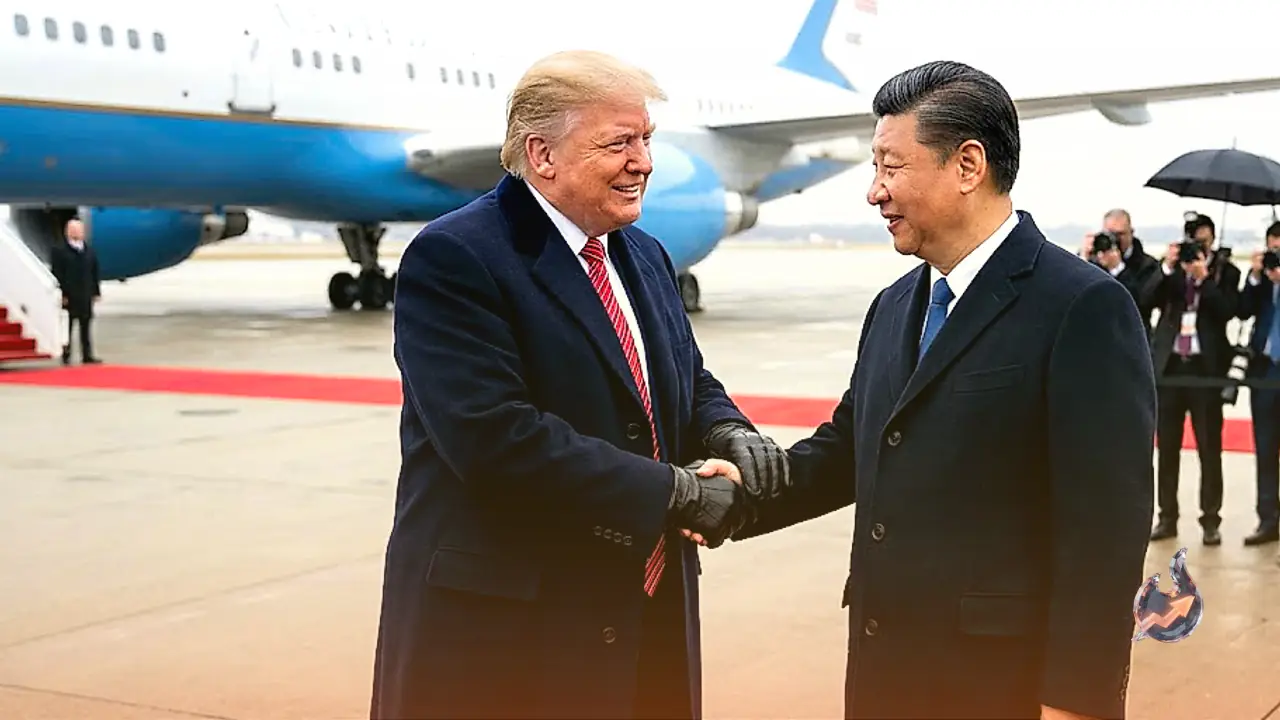




















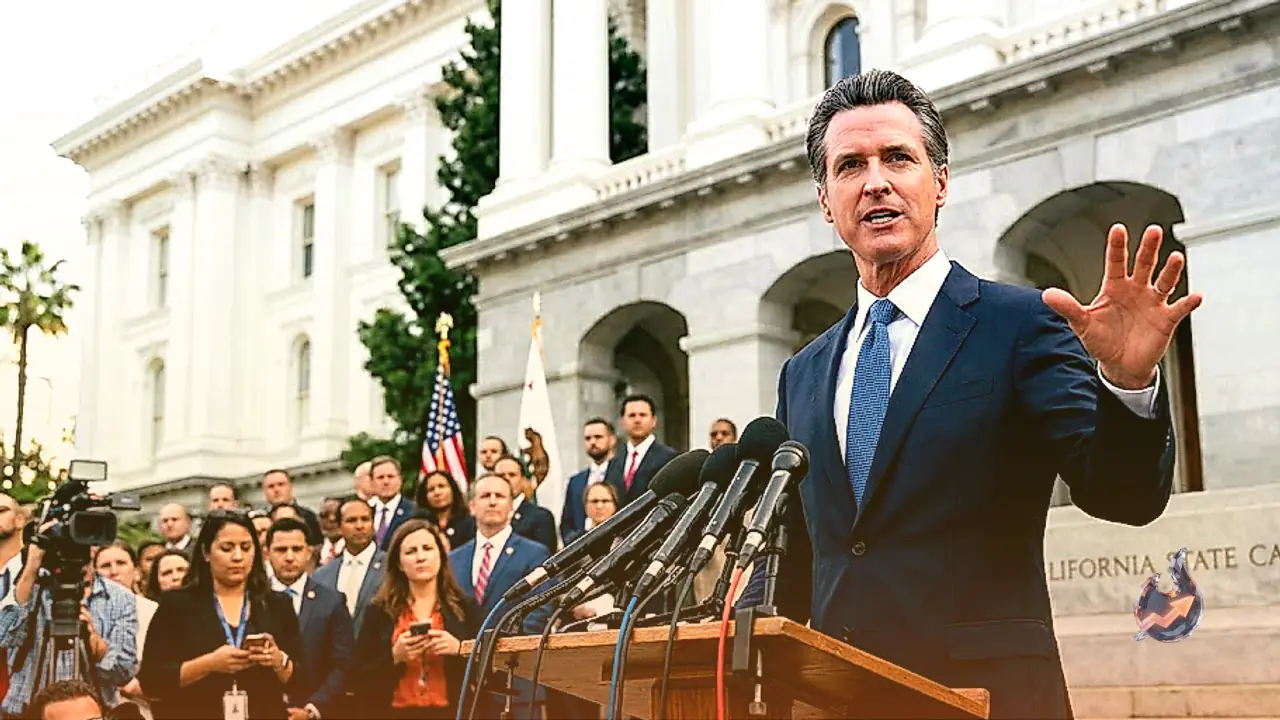

A sharp political challenge has been mounted against the administration of Donald Trump, with expectations rising that the forthcoming November midterm elections could redefine the balance of power across Washington. California Governor Gavin Newsom pointed out that the upcoming vote could serve as a decisive turning point, curtailing the White House's ability to drive unilateral actions without legislative accountability. Observers view this potential shift as a significant test for the executive branch and its standing with voters nationwide.
Anticipating a House Majority and Legislative Containment
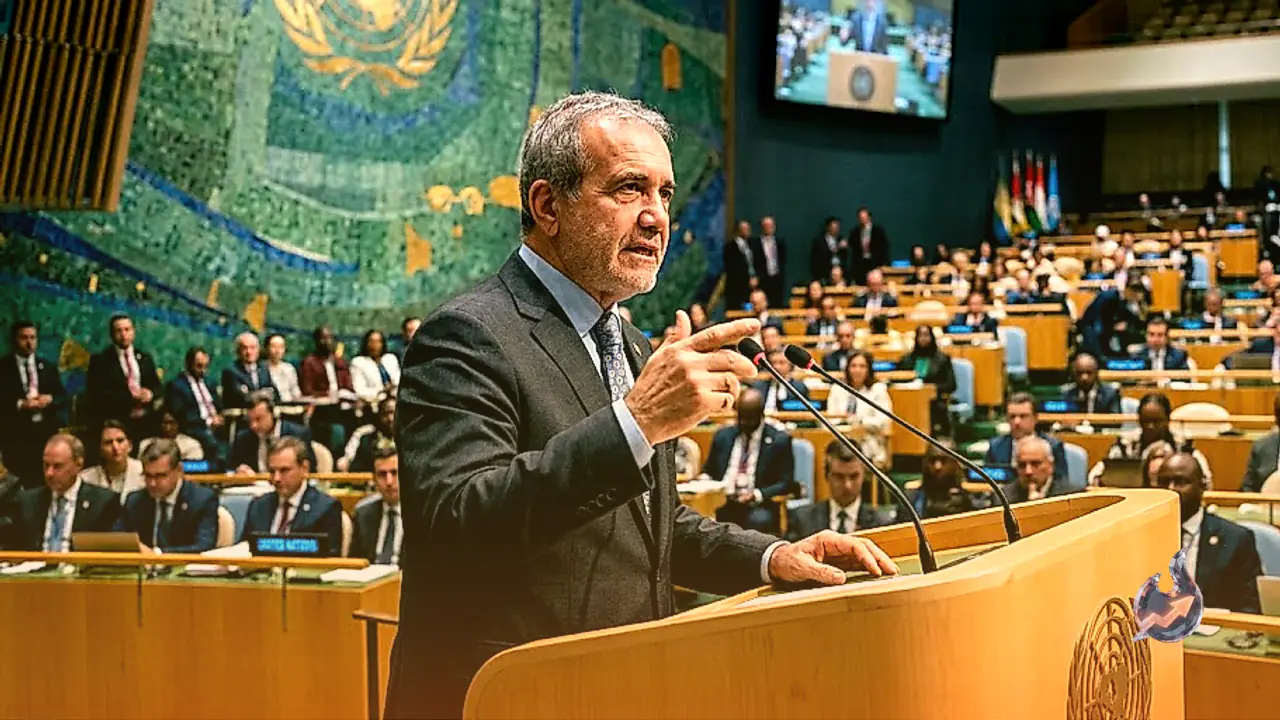
Speaking to the media during the United Nations Climate Summit held in New York, the 58-year-old Democratic governor outlined his expectations for the congressional contests. Newsom expressed firm confidence that the Democratic Party will successfully secure a majority in the House of Representatives in November. He emphasized that should this parliamentary transition occur, Donald Trump's presidency as it currently functions would essentially come to an end. Regarded as a prominent prospect for the 2028 presidential cycle, Newsom's public remarks have injected fresh momentum into the national campaign landscape.
Constitutional Checks: How a Divided Congress Restricts Presidential Moves
Under the American constitutional architecture, a loss of control in either chamber of Congress sharply diminishes an administration's unilateral governing reach. While a sitting president retains executive order mechanisms, crucial governing responsibilities such as allocating federal budgets, enacting statutory reforms, and advancing controversial economic directives require congressional authorization. A Democratic takeover in the lower chamber would allow lawmakers to place immediate hurdles before aggressive executive measures, proposed tax overhauls, and border policies. This structural constraint underpins the view that the November outcome could effectively restrict the current administration's dominance.
California Economic Trajectory: Balancing Climate and Growth
Using his home state as an operational model, Newsom highlighted how stringent ecological benchmarks can coexist with dynamic financial growth. California currently ranks as the world's fourth-largest economy, having registered a 40 percent surge in its gross domestic product since 2019. On the clean power front, the governor pointed out that during approximately 90 percent of the days this year, the state fulfilled 100 percent of its electricity demands strictly through clean energy sources during select intervals of the day.
Despite these benchmarks, the state administration remains locked in sustained courtroom confrontations with federal authorities and congressional Republicans. The federal apparatus has sought to roll back California's environmental measures, specifically efforts aimed at phasing out internal combustion vehicles and restricting offshore wind ventures. Sharply reacting to these interventions, Newsom argued that the current administration's choices threaten to pull national modernization backwards, likening the rollbacks to a retreat toward nineteenth-century norms.
The 2028 Horizon: Scrutinizing Marco Rubio and JD Vance
Looking past the immediate legislative races, Newsom turned his attention toward the 2028 presidential campaign. He asserted that whichever nominee represents the Democratic ticket in that cycle will ultimately claim the presidency. During his remarks, the governor directed sharp criticism toward prospective Republican candidates, specifically Secretary of State Marco Rubio and Vice President JD Vance. Newsom accused both figures of endorsing administrative improprieties, institutional erosion, and misrepresentations, arguing that any standard Democratic contender would offer vastly superior governance compared to them.
Alexandria Ocasio-Cortez and Changing Campaign Dynamics
The dialogue surrounding the 2028 race has expanded following remarks from progressive Congresswoman Alexandria Ocasio-Cortez, who raised questions regarding the nation's readiness to elect a Latina president following the defeats of female candidates in 2016 and 2024. Market observers and political betting exchanges currently track Ocasio-Cortez alongside Gavin Newsom and Georgia's young Senator Jon Ossoff as notable prospects for the upcoming cycle. Defending her political viability, Newsom rejected conventional narratives that question female candidacies and dismissed traditional punditry that attempts to disqualify contenders based on demographic or regional backgrounds.