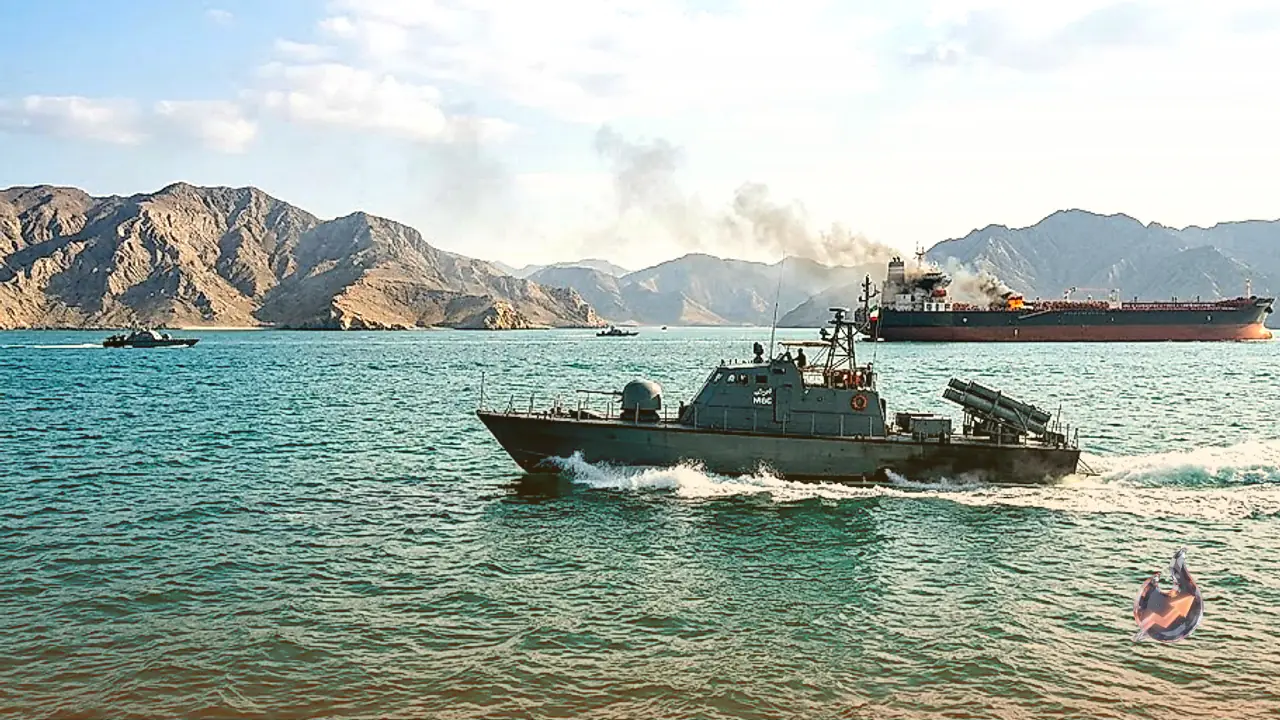




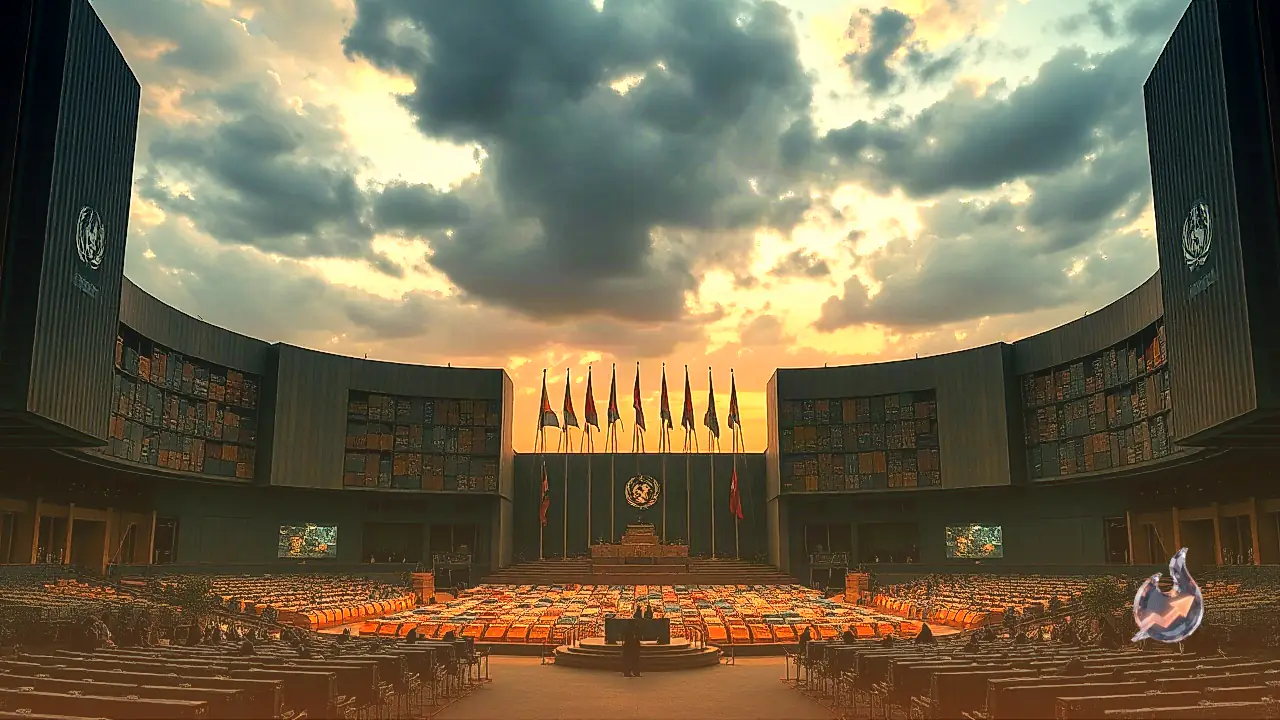















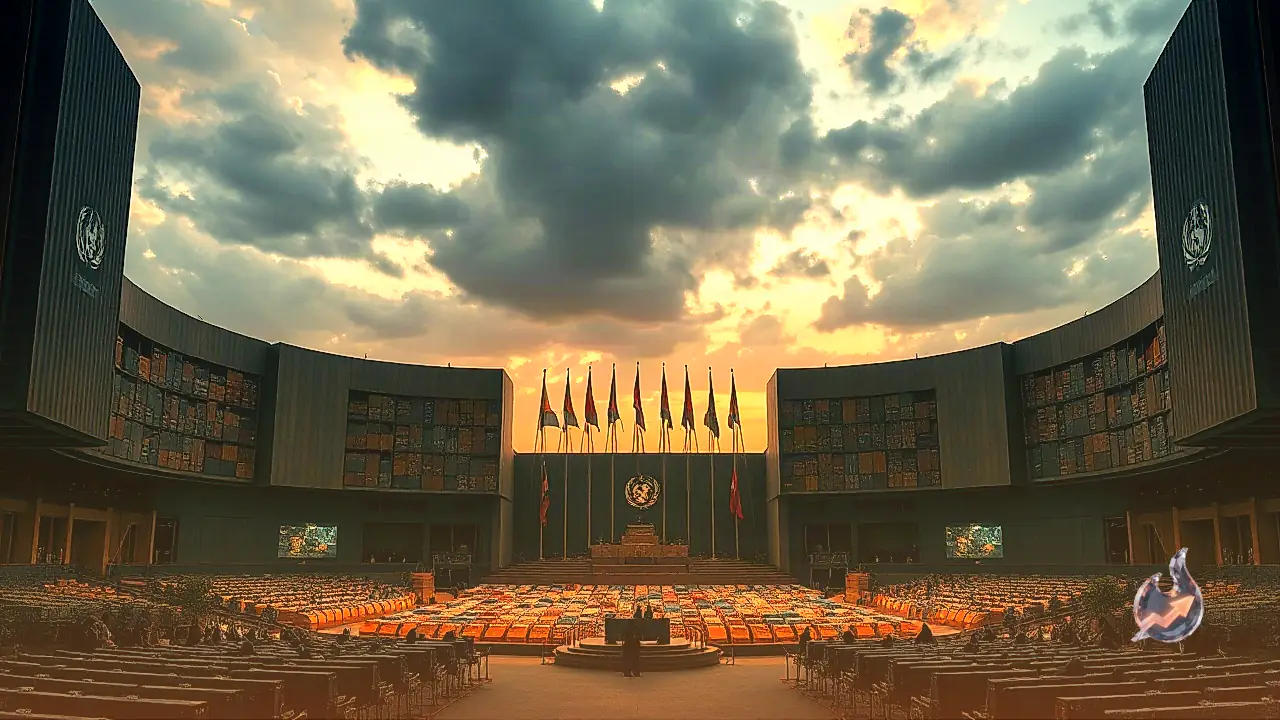

At the global stage of the United Nations General Assembly, world leaders have united to voice deep concerns regarding international maritime security. A broad coalition of nations agreed that escalating threats to shipping lanes are no longer isolated regional disputes, but have transformed into a systemic crisis for the entire global economic order. Leaders warned that persistent attacks on commercial vessels and artificial obstructions in key waterways directly imperil global food security, energy supplies, and the smooth flow of international trade. In response, India, alongside Gulf nations and other key global partners, has demanded a robust, rules-based framework to ensure the safety and freedom of international shipping.
External Affairs Minister S. Jaishankar Stresses Restraint and Seafarer Safety
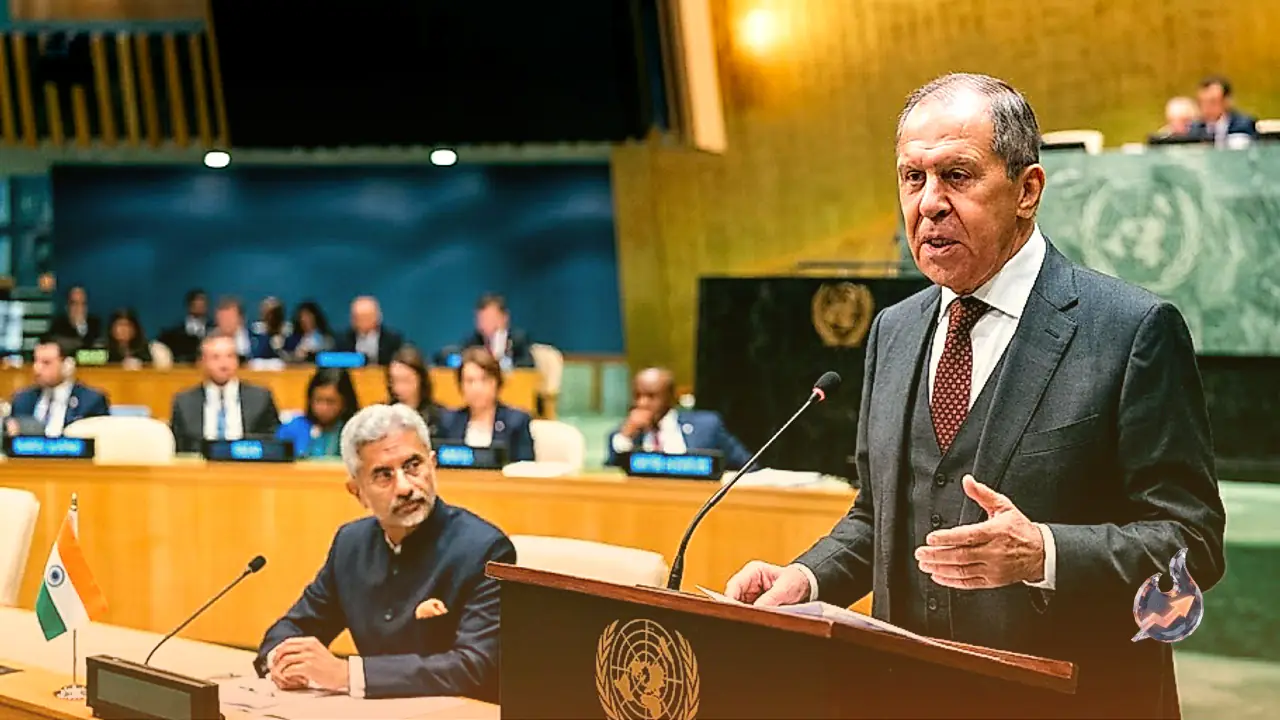
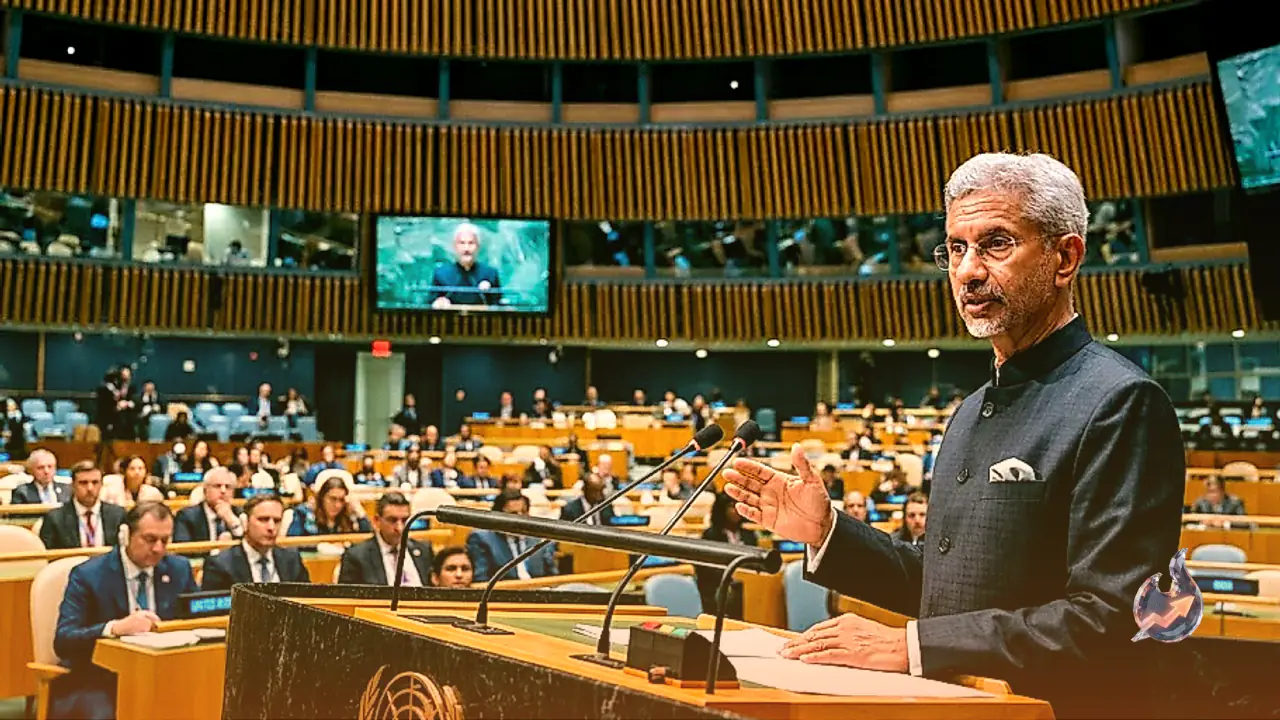
During his address at the United Nations General Assembly, India's External Affairs Minister S. Jaishankar expressed profound concern over the deteriorating security situation in the wider Gulf region. He emphasized that the deliberate targeting of commercial shipping vessels and their civilian crews is completely unacceptable under international law. The Minister made a strong appeal to all parties involved to exercise maximum restraint and focus on de-escalation. He underlined that for the sake of global economic health, vital energy corridors and commercial supply lines must remain completely unhindered. Furthermore, India has called for heightened protection for seafarers and cargo ships caught in the crossfire of regional geopolitical conflicts.
The Geopolitical Choke Points Anchoring Global Trade
From a geostrategic perspective, the global economy relies heavily on a few incredibly narrow maritime corridors. The Strait of Hormuz acts as the primary gateway connecting major oil and gas producers in the Gulf region to the Arabian Sea and the Indian Ocean. Similarly, the Bab al-Mandeb and the Red Sea link the Indian Ocean directly to the Mediterranean Sea via the Suez Canal. In Southeast Asia, the Malacca and Singapore Straits serve as the vital bridge connecting the Indian and Pacific Oceans. For a nation like India, which imports the vast majority of its crude oil, any instability in these choke points is highly consequential. Disruptions immediately trigger spikes in fuel prices, elevated freight costs, and soaring insurance premiums, ultimately burdening consumers worldwide.
Oman and Saudi Arabia Champion Sovereignty and Free Transit
Oman's Foreign Minister Sayyid Badr bin Hamad bin Hamood Albusaidi told the assembly that recent regional conflicts have brought shipping traffic through the Strait of Hormuz to a virtual standstill. He warned that this disruption severely compromises global energy security and erodes international trust in the global legal order. He reiterated Oman's firm commitment to maintaining safe passage through the Strait of Hormuz in strict accordance with the United Nations Convention on the Law of the Sea (UNCLOS). Supporting this stance, Saudi Arabia's Foreign Minister Prince Faisal bin Farhan Al Saud stated, “safeguarding the security of international maritime navigation and strengthening global supply chains is a shared responsibility for all of us.” Saudi Arabia firmly rejected the imposition of arbitrary fees or transit restrictions, warning against weaponizing international shipping lanes for political leverage.
Bahrain Highlights the Human and Landlocked Consequences of Blockades
Bahrain's Foreign Minister Abdullatif bin Rashid Al Zayani added a crucial dimension to the debate by pointing out that maritime disruptions affect far more than just littoral states. He emphasized that these shipping lanes are the conduits through which essential food, life-saving medicines, and energy reach families worldwide. When these passages are obstructed, the consequences ripple outward, severely affecting even landlocked nations located thousands of miles away from any coastline. Bahrain strongly opposed any efforts to establish permit regimes, transit fees, or other bureaucratic hurdles for merchant shipping passing through international straits.
The Philippines Warns of Human Cost as Singapore Shares Collaborative Model
The Philippines' Foreign Minister Theresa Lazaro brought the human element of the crisis to the forefront. She pointed out that nearly 90 percent of global trade is conducted via sea lanes, powered by approximately 2 million seafarers, over a quarter of whom are Filipino citizens. Recalling a recent tragic incident in the Strait of Hormuz that resulted in the deaths of two Filipino seafarers and injuries to several others, she noted, “this incident reminds us that maritime security is also about human security.” Meanwhile, Singapore's Foreign Minister Vivian Balakrishnan offered a constructive template for cooperation. He cited the Singapore Strait, through which a quarter of global maritime commerce passes, explaining how collaborative regulations established by littoral states under the UNCLOS framework have kept the passage open, safe, and accessible to all. Djibouti's Foreign Minister Mahmoud Ali Youssouf likewise warned of similar vulnerabilities in the Red Sea, urging coordinated efforts to secure the critical corridor.