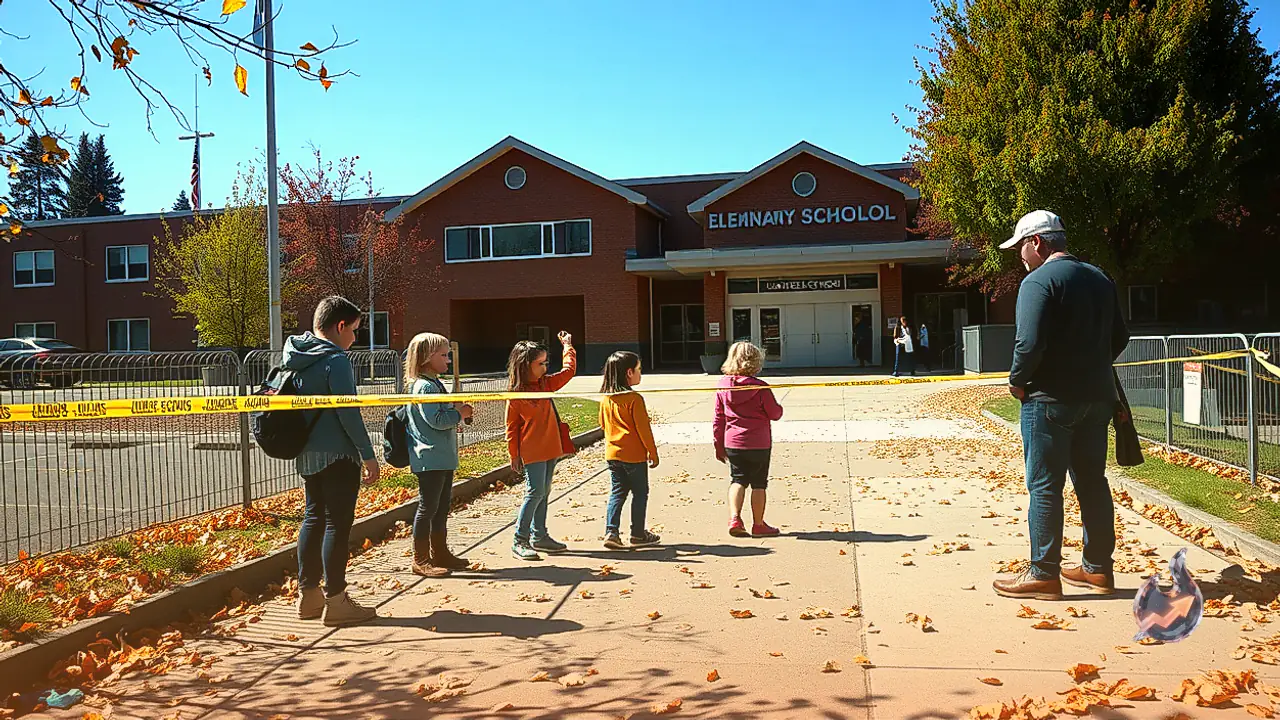























Security protocols implemented across American educational institutions have evolved in ways that frequently penalize minor childhood behavior with severe legal consequences. According to reports, young children who are barely old enough to tie their shoelaces are being handcuffed and sent to jail by police officers over trivial incidents, such as throwing toys, arguing with teachers after having a phone confiscated, or engaging in playground disagreements. Since 2014, more than 47,000 criminal cases have been filed against school children in the state of Texas alone.
A four-second countdown and handcuffs for a 12-year-old
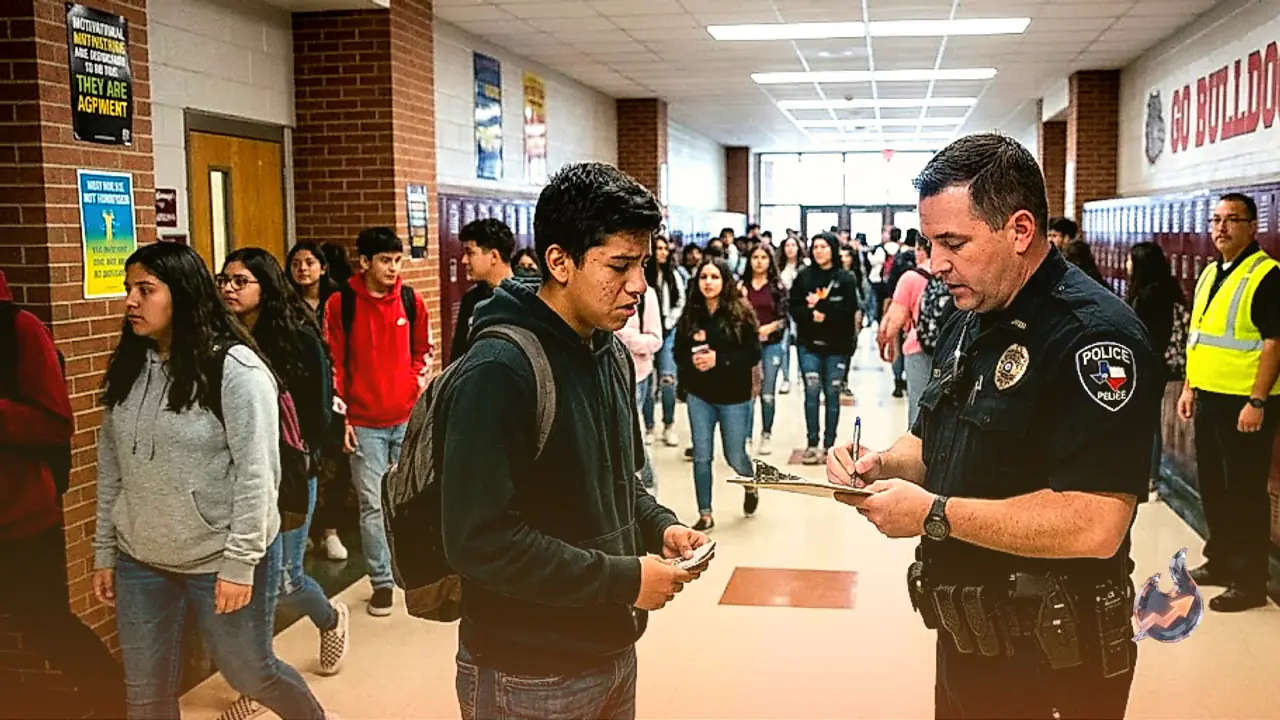
An incident in the hallway of a Texas school illustrates the severity of this approach. A 12-year-old girl was standing in a school lobby with her backpack over her shoulder. Moments earlier, the principal had instructed her to wait in the lobby for her mother. When she did not move away immediately, a police officer approached her. The officer issued a stern warning with a four-second countdown, threatening that failure to comply would result in her being handcuffed and sent to juvenile detention. Before the child could comprehend what was happening, her backpack was removed, and handcuffs were locked around her small hands.
Policy shifts following the Uvalde shooting
The strict enforcement environment stems from changes enacted after the 2022 school shooting in Uvalde, Texas, which prompted authorities to mandate the presence of police officers in every public school to deter external attackers. However, this system inadvertently criminalized ordinary student disciplinary matters. During the 2024-25 academic year alone, approximately 4,800 children were handed over to law enforcement, representing a one-third increase compared to a decade prior. The majority of these children are between the ages of 10 and 13.
Severe charges for ordinary childhood mischief
Philip Lyons, a former police detective, noted that police officers are often not equipped with adequate training to interact appropriately with children. Matters that could easily be resolved through a reprimand from a principal, counseling, or contacting parents now involve direct police intervention. Ordinary playground disputes are sometimes classified under severe charges like terroristic threats. Consequently, many children have spent nights in holding cells, had their fingerprints taken, and navigated the court system, leaving them deeply traumatized and fearful of law enforcement.
Experts advocate for counseling over criminalization
According to psychologist Kathleen O'Connor, children between the ages of 10 and 13 are undergoing critical brain development, and punitive approaches tend to foster feelings of inferiority while potentially driving them toward high-risk behavior in the future. Some districts have begun altering this framework. Donnie Lee, the superintendent of the Wichita Falls district, chose to remove police officers from schools and prioritized counseling and guidance, which successfully reduced arrests. Lee stated that their role is education rather than administering a criminal justice system.