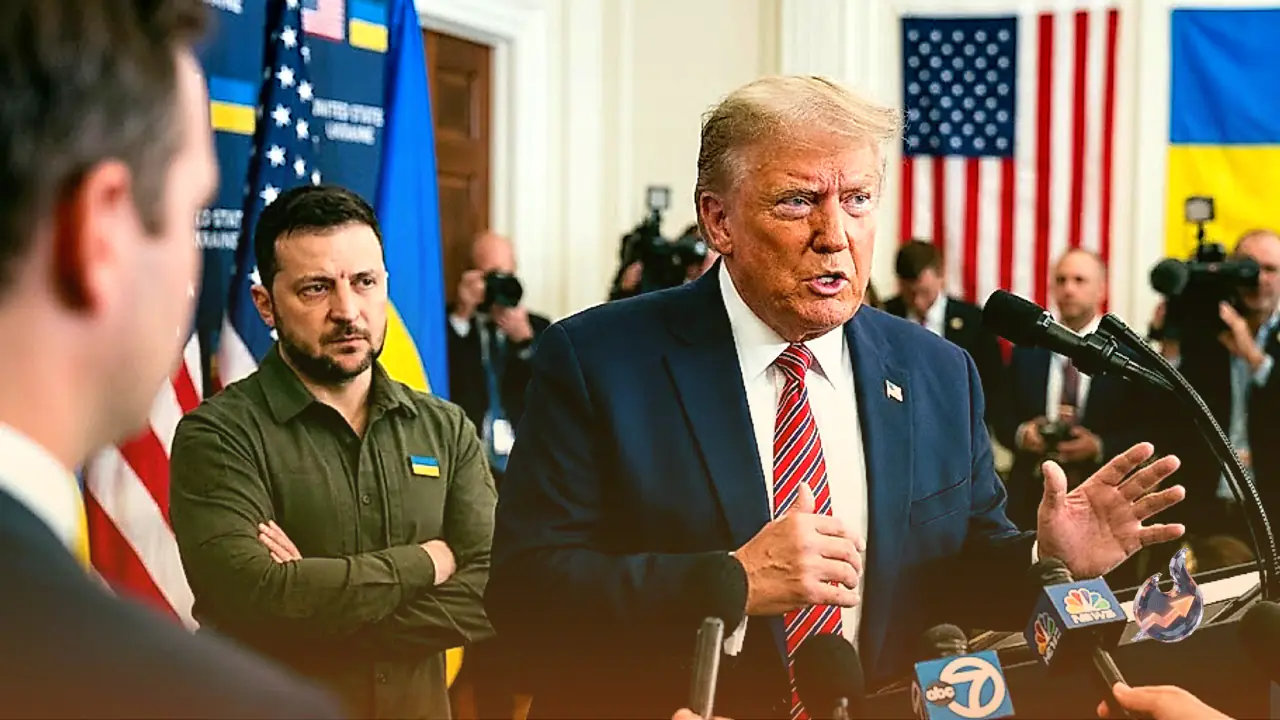





















On the sidelines of the United Nations General Assembly in New York, US President Donald Trump signed a strategic agreement alongside the leaders of Denmark and Greenland to reinforce defense operations across the Arctic and North Atlantic regions. The diplomatic accord paves the way for an expanded American military footprint on the island, while explicitly preserving Denmark's sovereign control over the territory.
Defusing Months of Diplomatic Tension
The deal represents a notable de-escalation following extended geopolitical friction triggered by Trump's repeated proposals to bring Greenland under US control. Over recent months, sharp rhetoric directed at fellow NATO ally Denmark, including threats regarding taking control of the autonomous territory, had strained bilateral relations. By focusing on expanded military access rather than territorial acquisition, the new arrangement lowers friction while achieving strategic security objectives.
President Trump Welcomes Trilateral Breakthrough
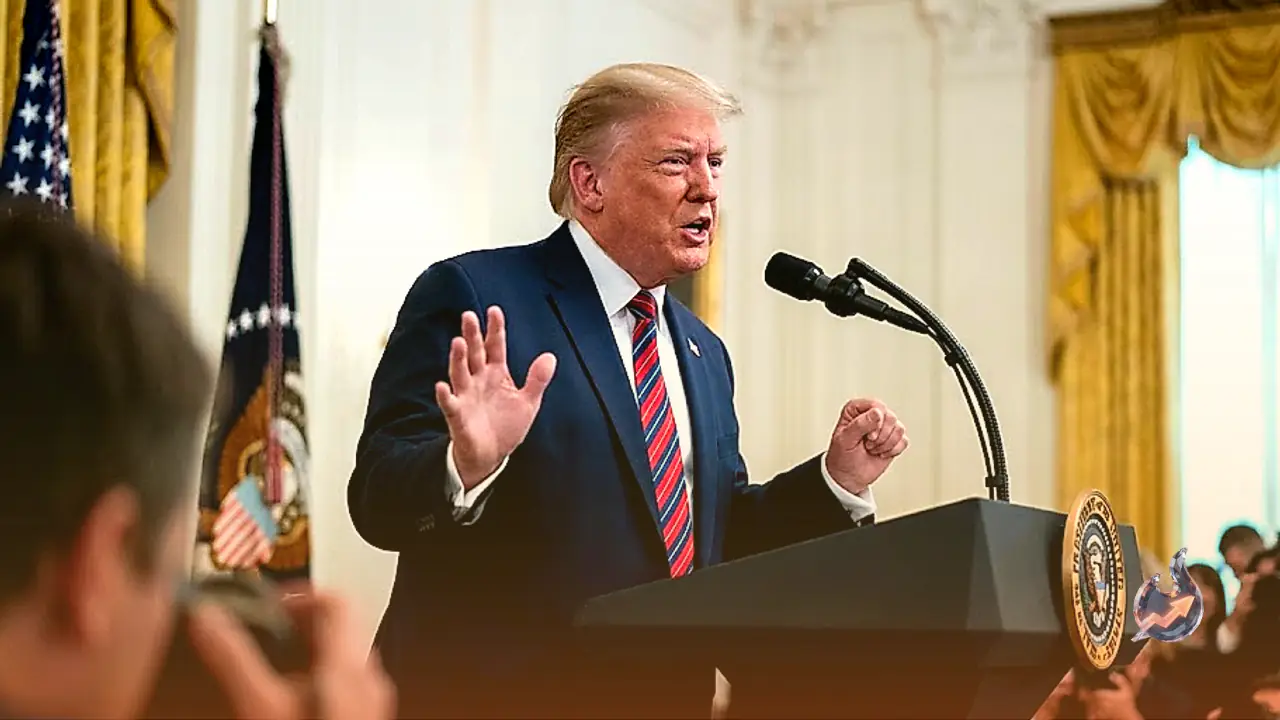
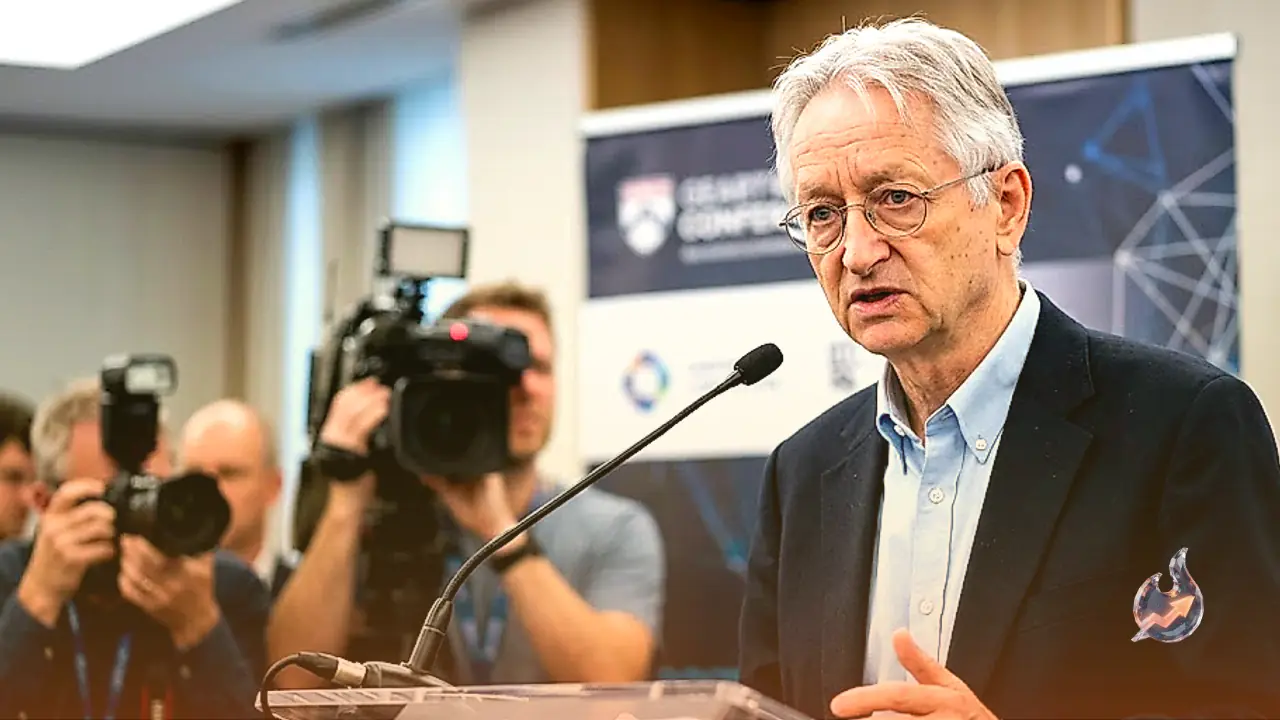
Prior to the formal signing ceremony, both governments had closely guarded the precise details of the text. Speaking shortly before ratifying the accord, Trump remarked, "This is a very big thing for Europe, the United States and everybody. And it will be wonderful for Greenland." The signing follows preliminary indications shared days earlier regarding an impending security framework that would bolster US capabilities without infringing on Danish governance.
Infrastructure Upgrades Across Key Island Outposts
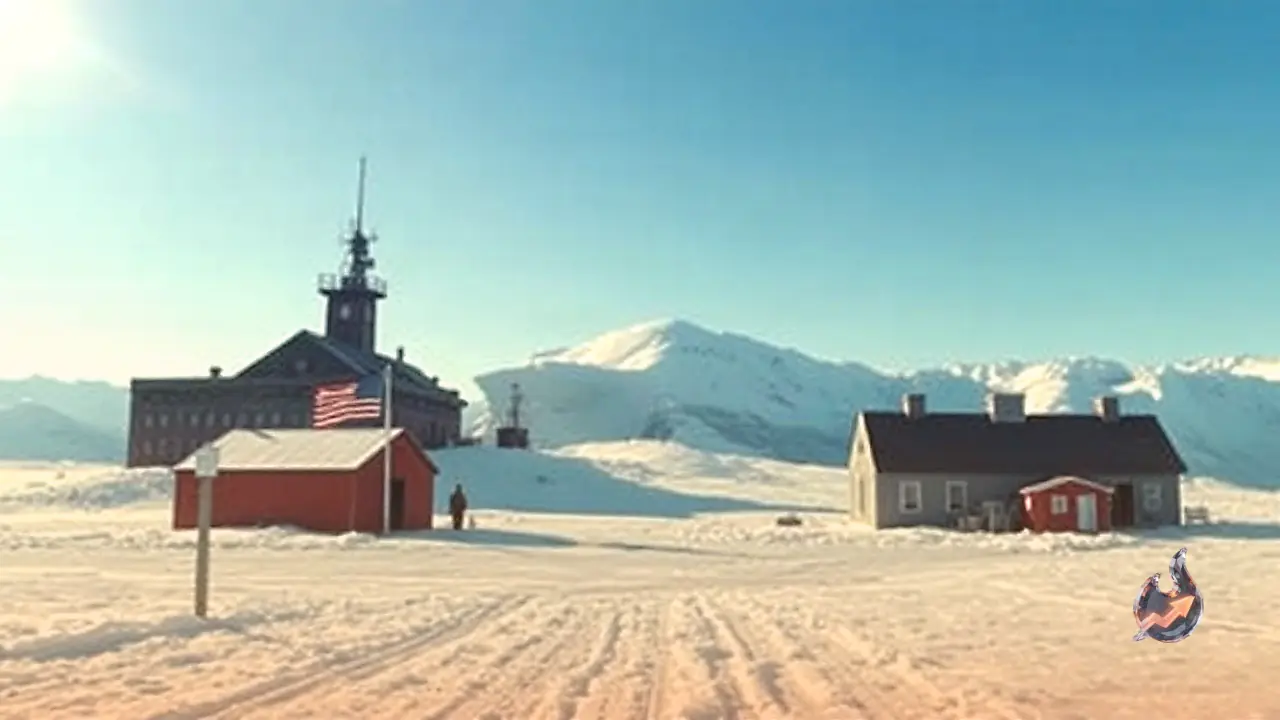
Under the terms of the agreement, the United States will reinforce its military capabilities across multiple outposts in Greenland. Key plans include the expansion of Pituffik Space Base, alongside the establishment or redevelopment of defense installations in Narsarsuaq and Mestersvig. These upgrades are designed to enhance logistics and surveillance across severe northern environments.
Countering Arctic Influence of Global Rivals
The strategic deployment directly addresses Western defense anxieties concerning heightened Russian and Chinese activity across the Arctic corridor. Melting ice patterns and emerging sea routes have intensified geopolitical competition in polar waters. Despite hosting broadened American operations, Greenland remains an autonomous territory within the Kingdom of Denmark, ensuring its underlying sovereign status continues unaltered.