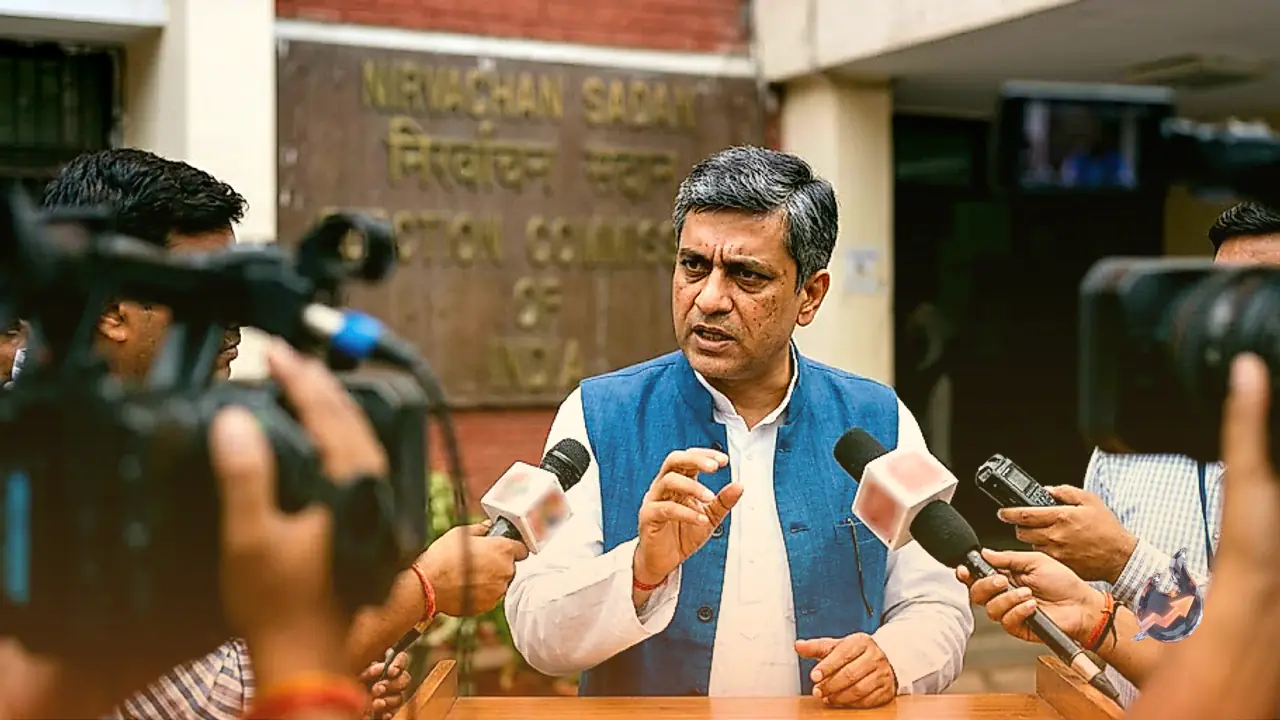























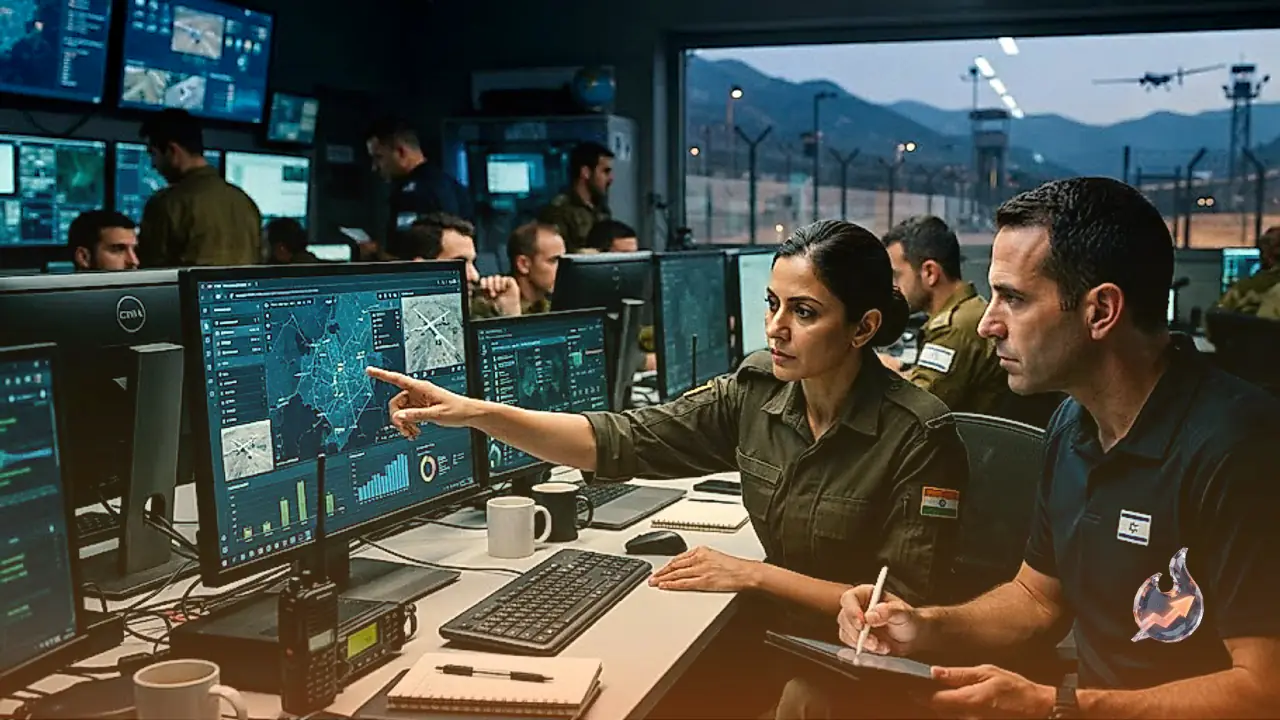

Beyond standard diplomatic protocols, the strategic partnership between India and Israel operates as an impenetrable fortress against terrorism, frustrating violent extremist networks operating across borders. Reflecting on the profound toll inflicted by extremism on both populations, Israel Ambassador to India Reuven Azar underlined that both countries share this traumatic legacy and will persist in confronting it jointly. This united posture is anchored in five sophisticated operational strategies that function as formidable assets against terror networks. Operating discreetly behind the scenes, an intelligence nexus between RAW and Mossad has spent over three decades dismantling hostile plots.
A Resilient Stance Against Terror Networks
Marking the third anniversary of the October 7, 2023 assault carried out by Hamas, Ambassador Reuven Azar addressed the solemn occasion with candid reflection. He acknowledged that the loss of 1,200 innocent lives during the cross-border attack represented the gravest intelligence lapse in modern Israeli history. However, he emphasized that the nation has staged an extraordinary resurgence since that crisis, completely overhauling and fortifying its operational safeguards.
Highlighting remarkable acts of courage during difficult hours, Ambassador Reuven Azar recalled the bravery shown by Indian pilot Captain Smit Mattoo aboard a flydubai flight alongside Israeli passengers, noting that India and Israel remain shoulder to shoulder in facing down terror. Notably, the covert intelligence bridge connecting India's RAW and Israel's Mossad extends far beyond current headlines. Long before both capitals formalized diplomatic ties in 1992, the two spy agencies were already exchanging mission-critical intelligence behind closed doors.
1. Seamless Intelligence Fusion: RAW and Mossad Synergy
In modern asymmetric warfare, operational intelligence holds greater decisive weight than mere firepower. The deep synchronization between RAW and Mossad ensures that extremist plots are identified and dismantled before they can be executed.
This intelligence cooperation took root decades ahead of the formal normalization of bilateral ties in 1992. The relationship intensified following the tragic 26/11 Mumbai terrorist attacks in 2008, during which Lashkar-e-Taiba gunmen specifically targeted Israeli citizens at the Nariman House Hebrew cultural center. That moment forged an indelible mutual resolve between the security establishments of both nations.
Today, the two agencies maintain an active pipeline of real-time intelligence alerts. Whenever organizations based in the Middle East such as Hamas or Hezbollah plot hostility against Indian interests, or Pakistan-based syndicates like Lashkar-e-Taiba and Jaish-e-Mohammed seek to target Israeli assets, both sides immediately share actionable data to neutralize threats before they materialize.
2. Tactical Special Forces Training and Combat Readiness
The Israel Defense Forces and their specialized commando units are globally renowned for their precision in counter-terror operations. India's premier counter-terrorist unit, the National Security Guard, alongside the Indian Navy's elite MARCOS, routinely participate in joint counter-terrorism drills alongside Israeli commandos.
These exercises prioritize close-quarters combat and urban warfare techniques designed for high-density environments. Israeli forces specialize in identifying and eliminating armed elements entrenched in tight neighborhoods while safeguarding non-combatants, an operational craft that Indian operators incorporate into their playbooks.
Additionally, joint drills emphasize complex hostage-rescue scenarios in crowded facilities. This continuous exchange of fieldcraft guarantees that Indian security personnel can respond to hostile cross-border incursions with the same clinical precision honed by Israeli counter-terror teams.
3. Aerial Surveillance and Precision Strikes: Heron UAVs and Spike Systems
Whether stopping infiltration attempts across the rugged terrains of Jammu and Kashmir from Pakistan or monitoring clandestine cross-border tunnels along the Gaza perimeter, Israeli military hardware has redefined border surveillance.
The Indian Army deploys Israeli-made Heron and Searcher unmanned aerial vehicles to maintain constant vigil across contested frontier zones. These endurance drones operate seamlessly through cloud cover and pitch-dark nights, pinpointing the exact coordinates of infiltrators concealed in treacherous mountainous redoubts.
To destroy reinforced bunkers and hardened positions from safe stand-off distances, Indian units rely heavily on Israeli Spike anti-tank guided missiles. Concurrently, the airspace is swept by the Phalcon airborne early warning and control system, an airborne radar platform that prevents hostile infiltrations from going unnoticed. In the virtual arena, both governments deploy cutting-edge cyber monitoring software to neutralize extremist propaganda and dismantle digital recruiting pipelines.
4. Laser-Equipped Smart Borders Along Frontier Zones
India contends with continuous infiltration bids, narcotics smuggling, and arms transfers across its western boundary with Pakistan. The smart border barriers pioneered by Israel around Gaza and the West Bank have provided a proven blueprint for securing India's vulnerable stretches.
India has integrated Israeli-designed smart fence networks across critical sectors of its western frontier. These defensive perimeters incorporate thermal imaging sensors, night-vision cameras, and automated laser barriers. Even if an infiltrator attempts to bypass the obstacle without physically making contact with the razor wire, central control monitors immediately trigger alerts, enabling rapid-response forces to intercept the threat on site.
5. Choking Terror Financing and Multilateral Alignment
Violent extremism cannot sustain operations without persistent capital infusions. Whether sustaining Hamas operations or Lashkar-e-Taiba networks, illicit cross-border money flows serve as their primary lifeline. Countering this challenge, the financial intelligence units of both India and Israel collaborate closely to identify and disrupt illicit financial conduits.
Both agencies track informal hawala networks, untraceable cryptocurrency wallets, and shell bank accounts utilized to fund extremist logistical pipelines. When financial lifelines are severed, procuring advanced armaments and recruiting fresh cadres becomes virtually impossible for militant networks. Furthermore, in global bodies like the United Nations, both countries champion an unyielding zero-tolerance policy against terrorism, firmly rejecting geopolitical double standards.