




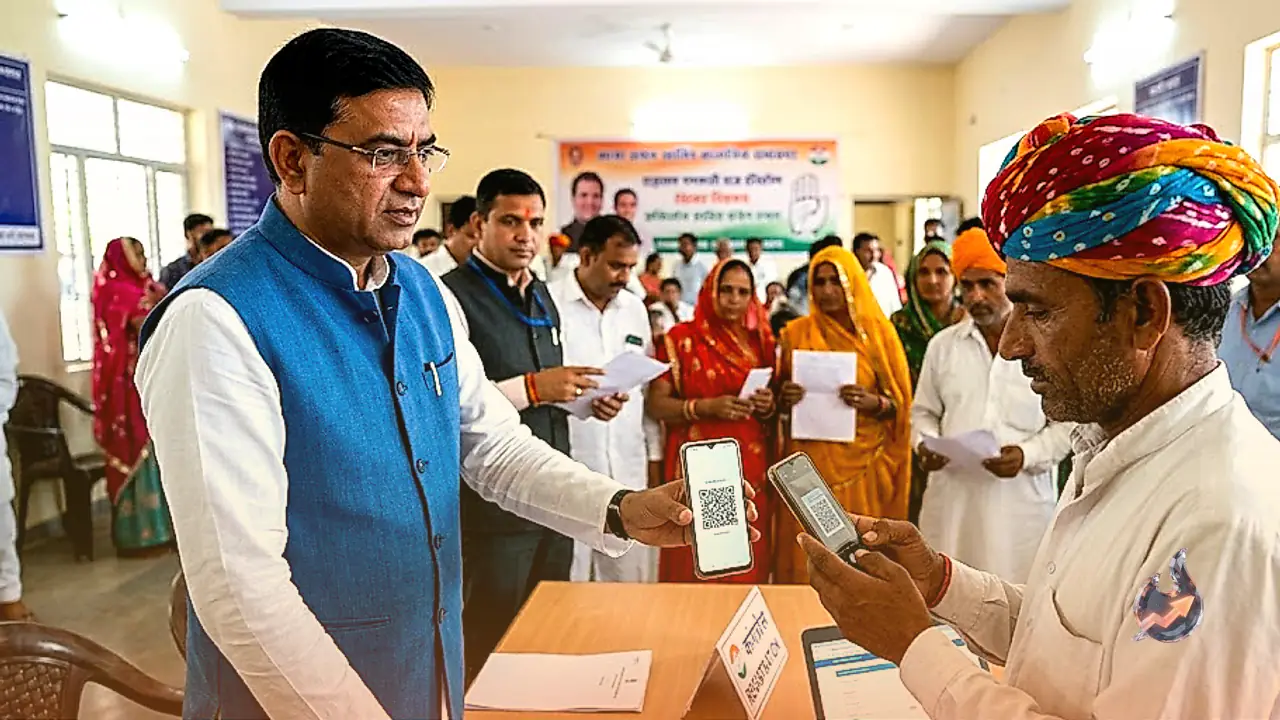

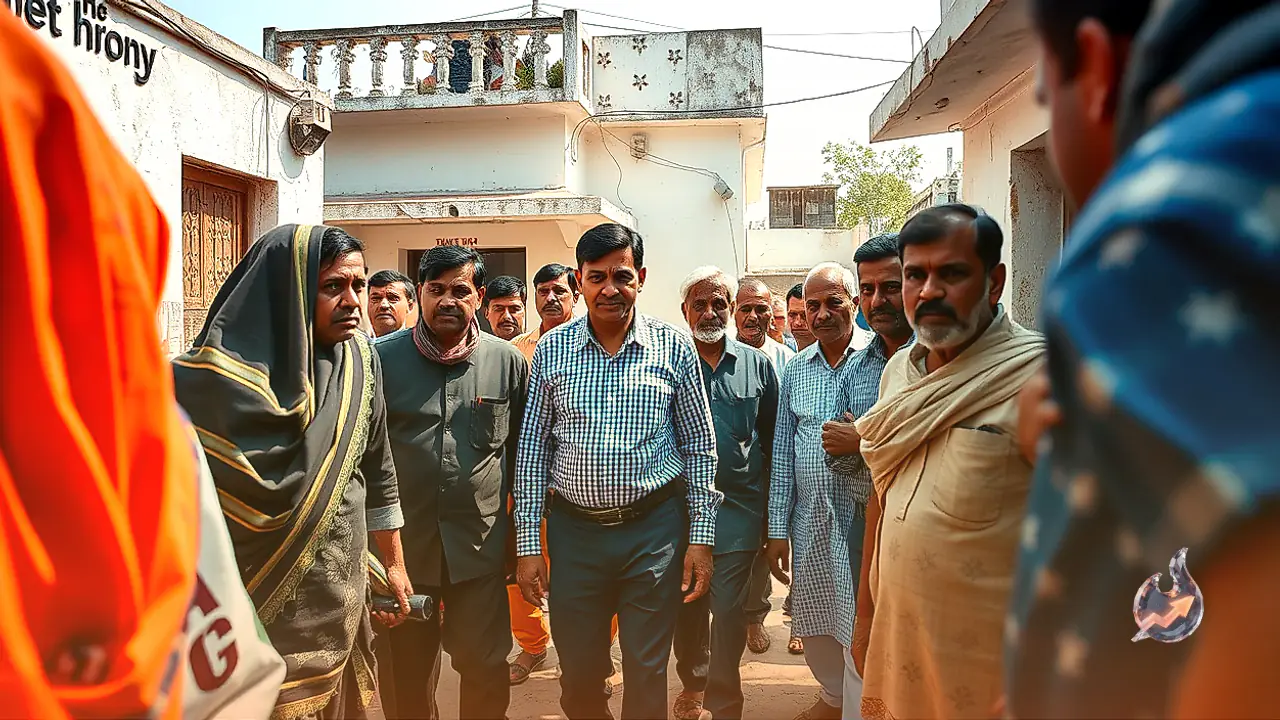

















Amid continuing deadlock over the massive 11,000-MW Siang Upper Multipurpose Project, the government of Arunachal Pradesh has declared that strategic border priorities leave no room for indecision. State minister Ojing Tasing, representing Pangin constituency within the Siang administrative district, explained that border defense operations and river control mechanisms remain central sovereign mandates where sub-national administrations cannot dilute safeguards. With substantial upstream river modifications underway across the frontier by China, the planned reservoir serves vital functions extending far beyond regional energy production, functioning simultaneously as a crucial cushion for flood mitigation and national vigilance.
Sovereign Defense and Development Imperatives
Emphasizing the jurisdictional boundaries governing critical infrastructure, Tasing stated, “National security is a central subject, and the state government has no say in such matters.” The legislator urged communities to avoid impeding state initiatives, arguing that unbroken public order and stability remain indispensable drivers for broad regional prosperity. Tasing also estimated that upward of 80 percent of residents across vulnerable village clusters express genuine willingness to see the hydropower installation materialize, disputing portrayals of total public resistance.
Indigenous Resistance and Ecological Anxieties
Execution responsibilities for the massive multipurpose venture are designated to NHPC Limited. However, the geographic basin, home primarily to the indigenous Adi community, has witnessed repeated resistance from native collectives worried about lasting disruptions to valley life. Several grassroots organizations maintain that rapid civil engineering could permanently reshape pristine river ecosystems.
Coalitions leading public demonstrations, such as the Siang Indigenous Farmers’ Forum, have sounded alarms regarding environmental fragility, elevated seismic vulnerability, and the prospect of displacement. Representatives calculate that more than 25 rural settlements alongside fertile agrarian lands stretching across the Siang valley could face submersion should containment basins fill unchecked.
Ground Realities and Administrative Findings
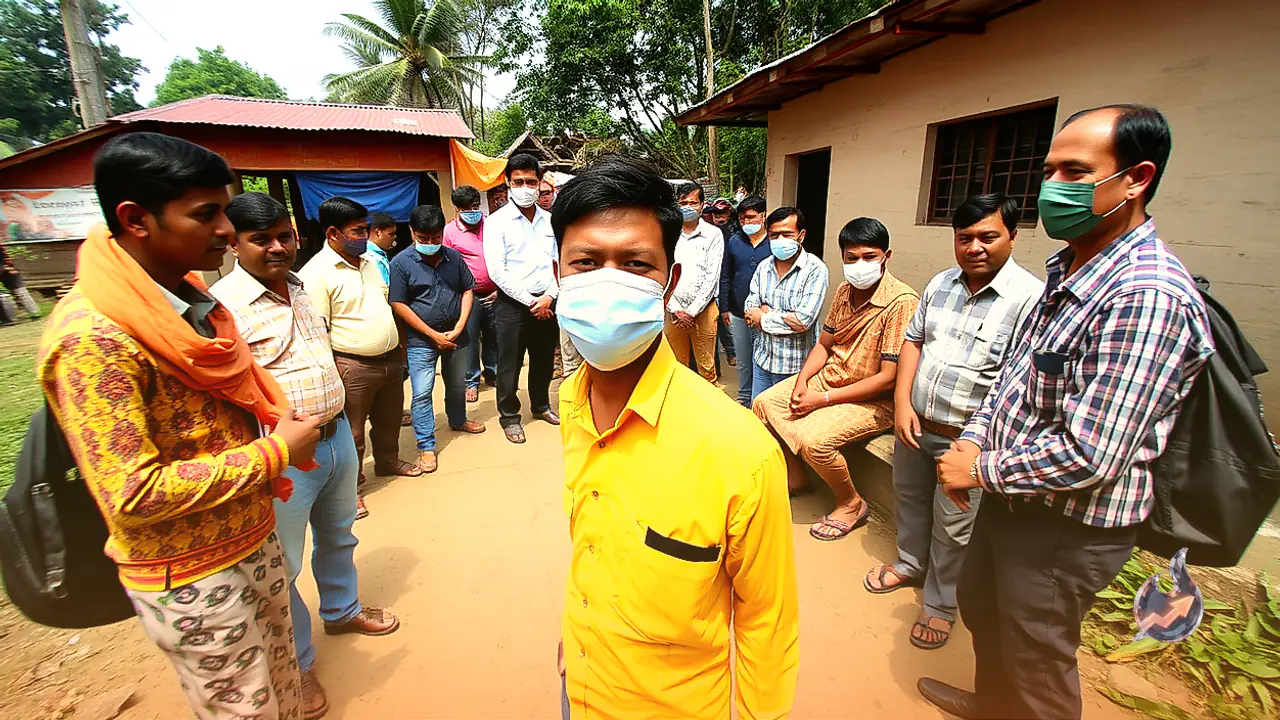
Seeking to ease local friction, Siang Deputy Commissioner Tayi Taggu appealed to regional residents to partner with ongoing development initiatives while detailing empirical findings from the field. According to Taggu, infrastructural impact assessments show that structural disruptions inside Siang district will remain comparatively narrow, although specific localities such as Geku and Yingkiong within Upper Siang district might register higher exposure.
The administrative head clarified that properties likely to be touched in areas like Parong and Sitang represent only between 10 to 15 percent of total surveyed assets. Critically, these structures predominantly comprise temporary mercantile setups or small commercial entities rather than ancestral domestic homesteads. Taggu contended that political maneuvering might be fueling localized agitations in Upper Siang, affirming that over 90 percent of local inhabitants in settlements like Parong, Riga, Riew, Pangkang (Kumku), Jorkong, and Sitang actually endorse the enterprise. He confirmed that foundational pre-feasibility agreements have been officially signed, noting that claims of pervasive public rejection diverge sharply from ground observations.
Technical Feasibility and Government Commitments
Ultimate progression on the multi-gigawatt venture remains tied directly to empirical scientific clearances. Addressing government representatives at Boleng within Siang district on September 29, Chief Minister Pema Khandu stated that authorities would decline to pursue the installation if designated engineering experts conclude following the Preliminary Feasibility Report that the structure is technically unsustainable. The stance underscores an official policy of prioritizing rigorous engineering validation alongside strategic defense readiness.