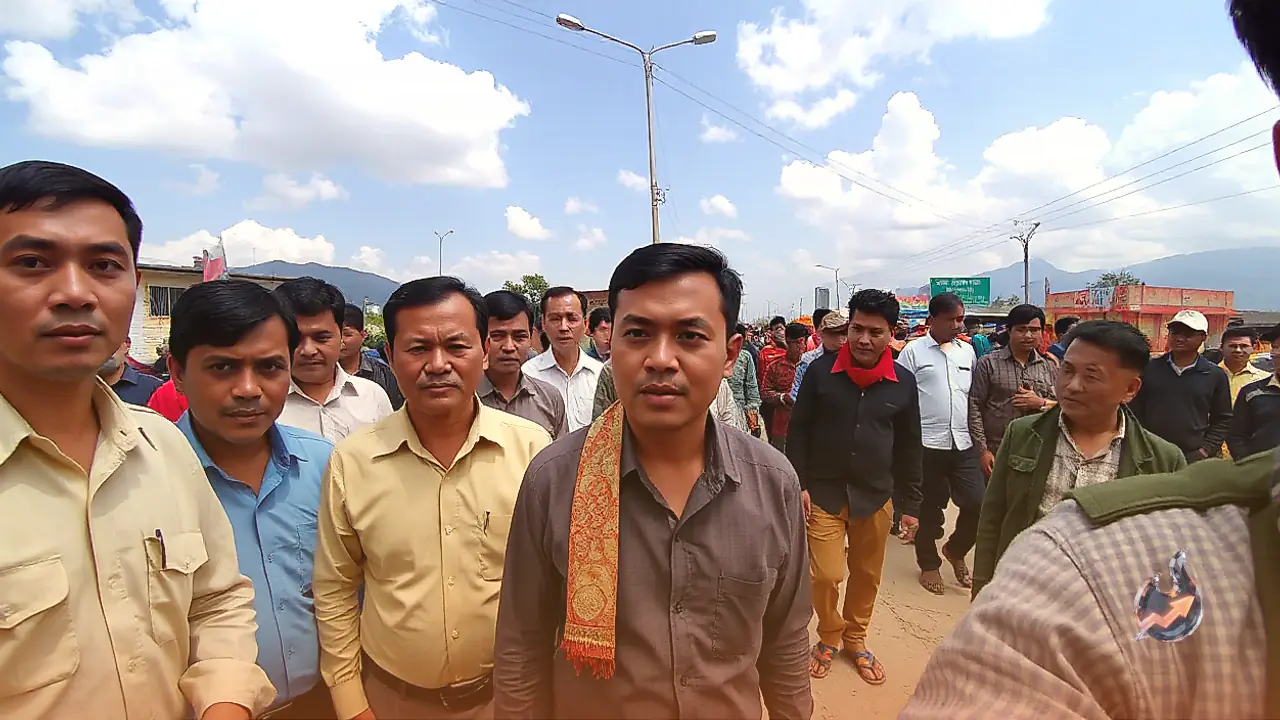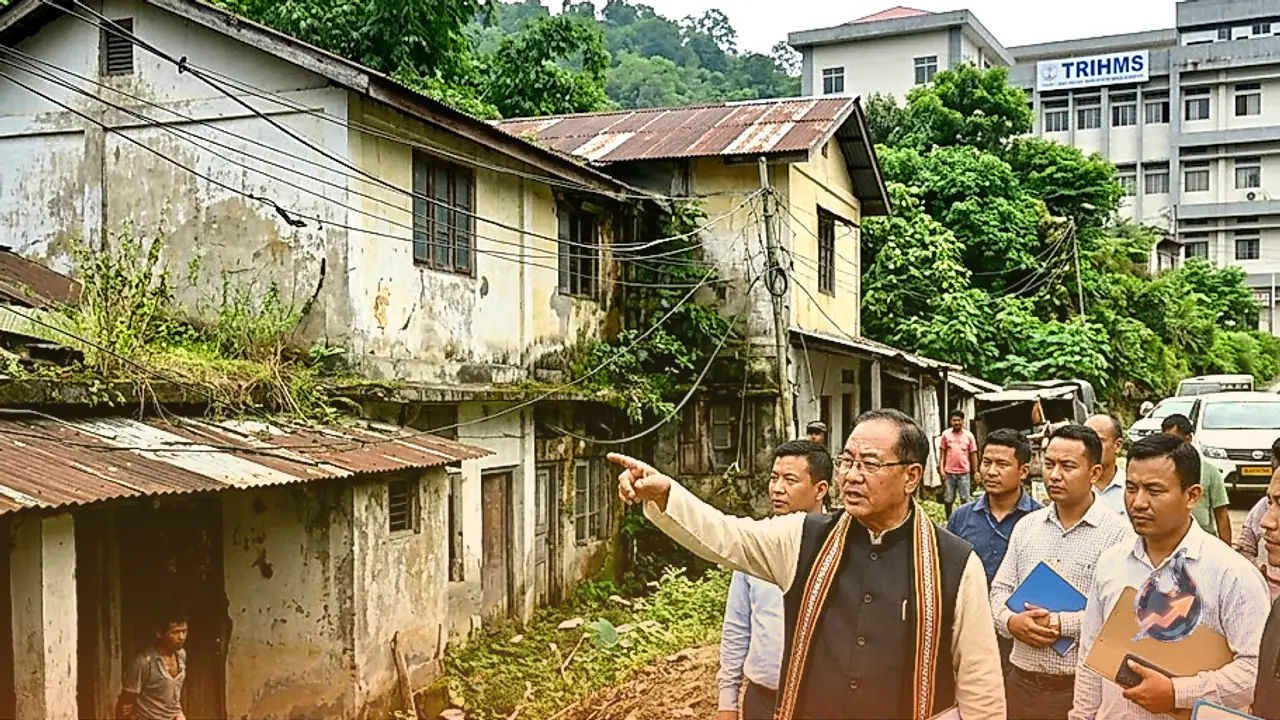



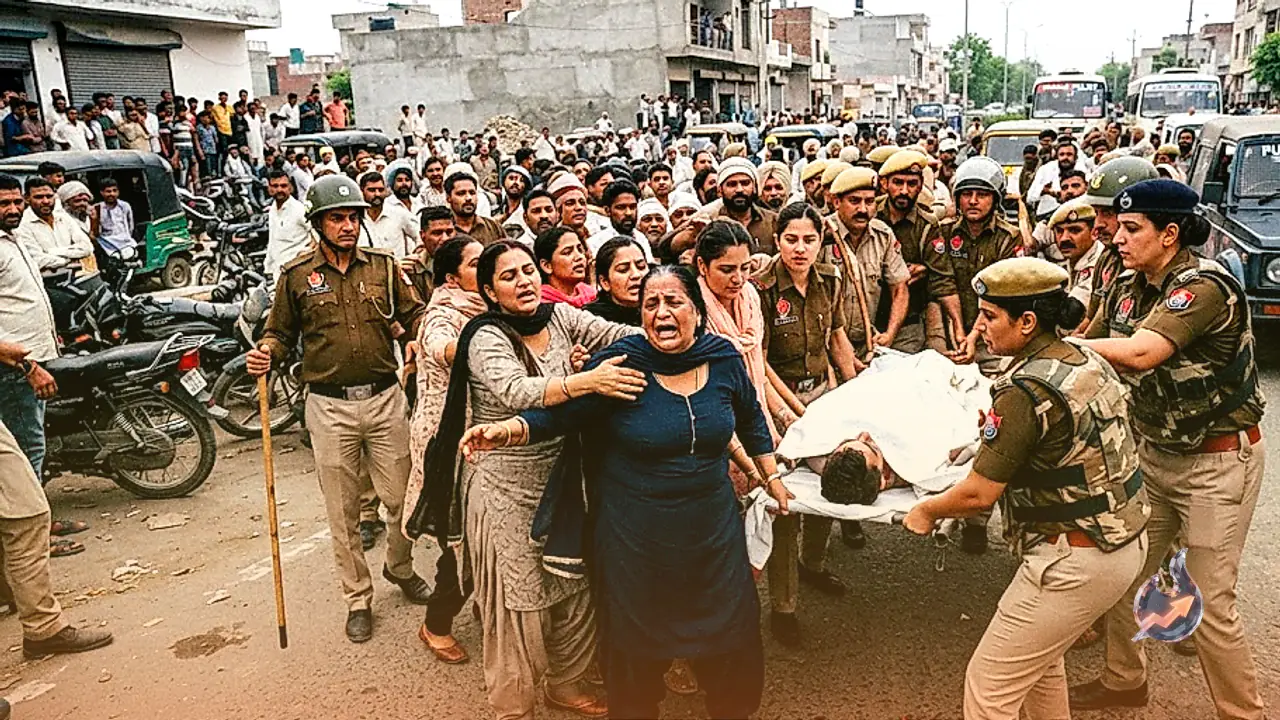


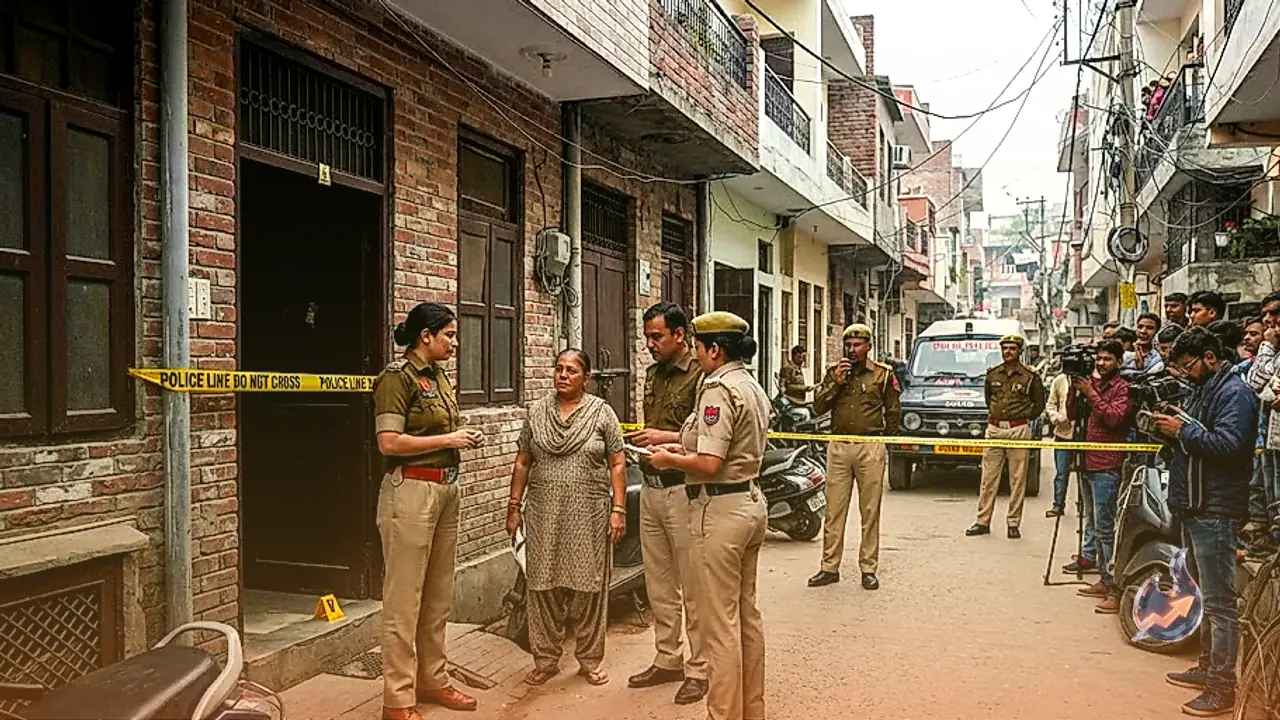

















A fresh controversy has erupted over the electoral rights of Chakma residents in Arunachal Pradesh as thousands of objections are being processed under the ongoing Special Intensive Revision of electoral rolls. In response to these developments, the Chakma Development Foundation of India has officially requested the Election Commission of India to deploy central observers and central security forces to oversee the upcoming verification hearings and ensure fairness.
Scale of Objections Against Chakma Electors
According to the foundation, formal objections have been filed against at least 1,292 Chakma electors spread across four different Assembly Constituencies in the state. The breakdown includes 413 voters in Bordumsa-Diyum, 49 voters in Miao, 774 voters in Doimukh, and 56 voters in Chowkham. These objections largely claim that the affected individuals are not Indian citizens, raising serious concerns within the community.
Schedule of Hearings and Safety Concerns
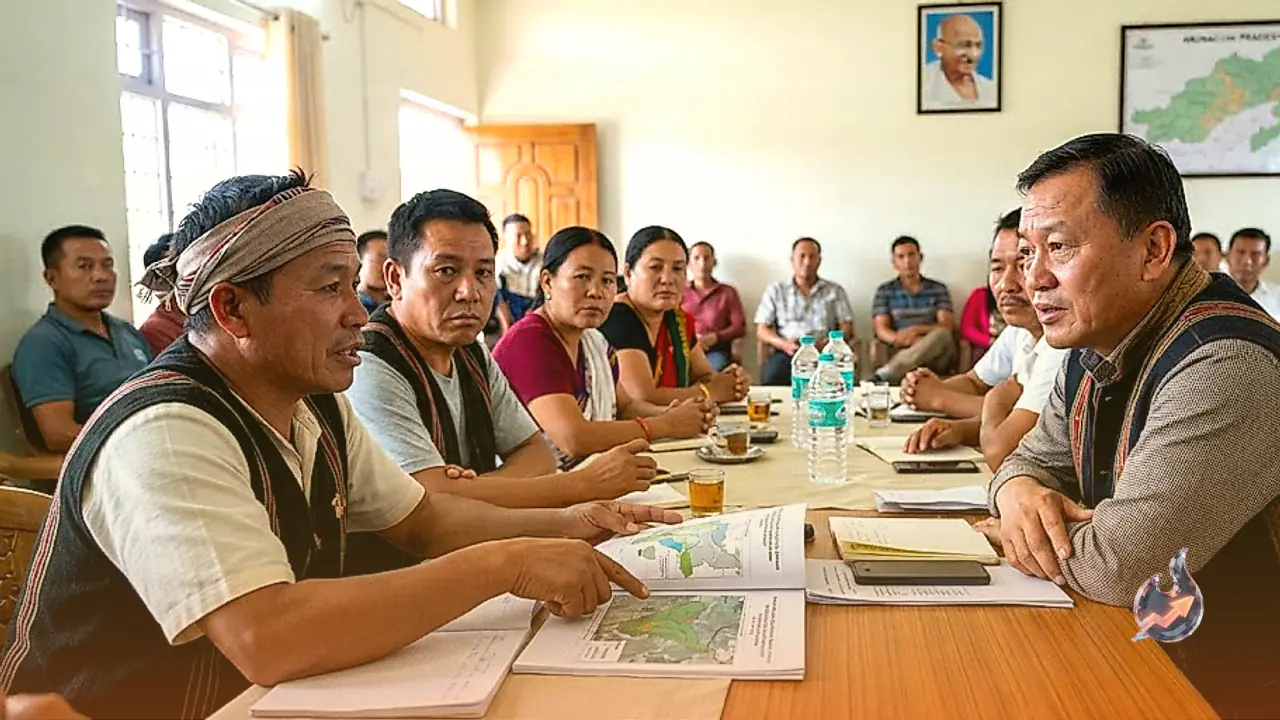
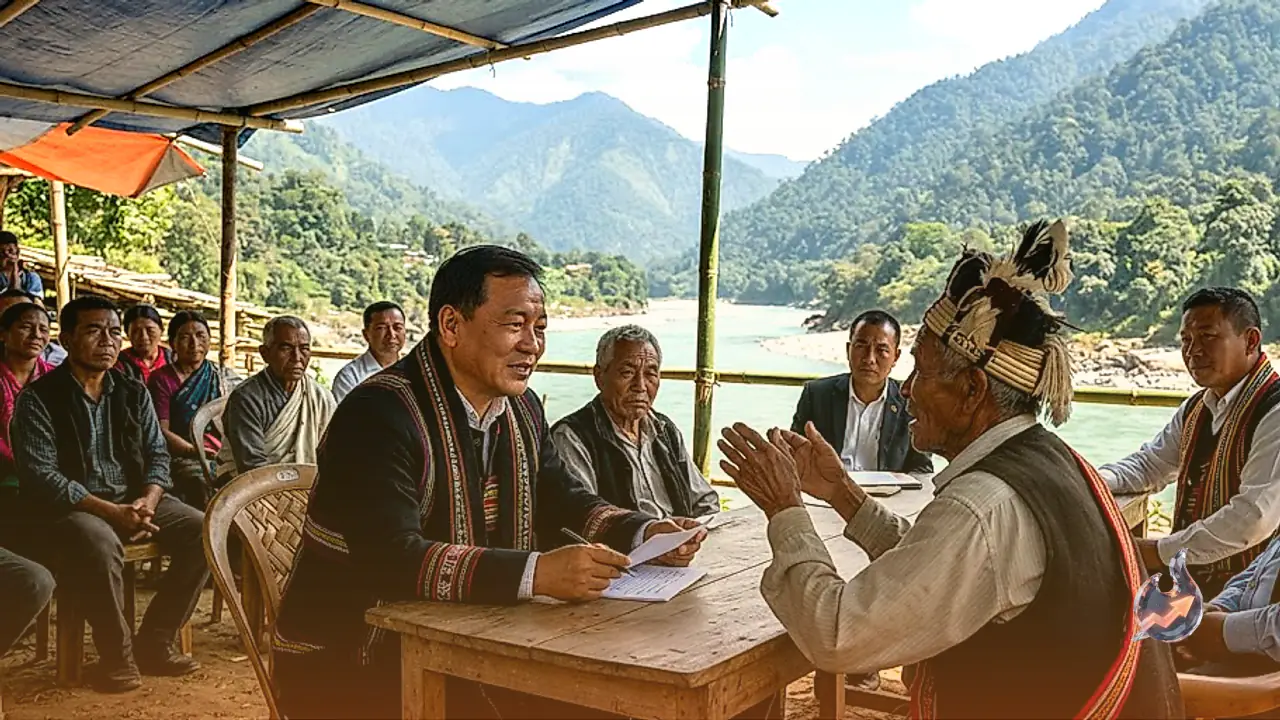
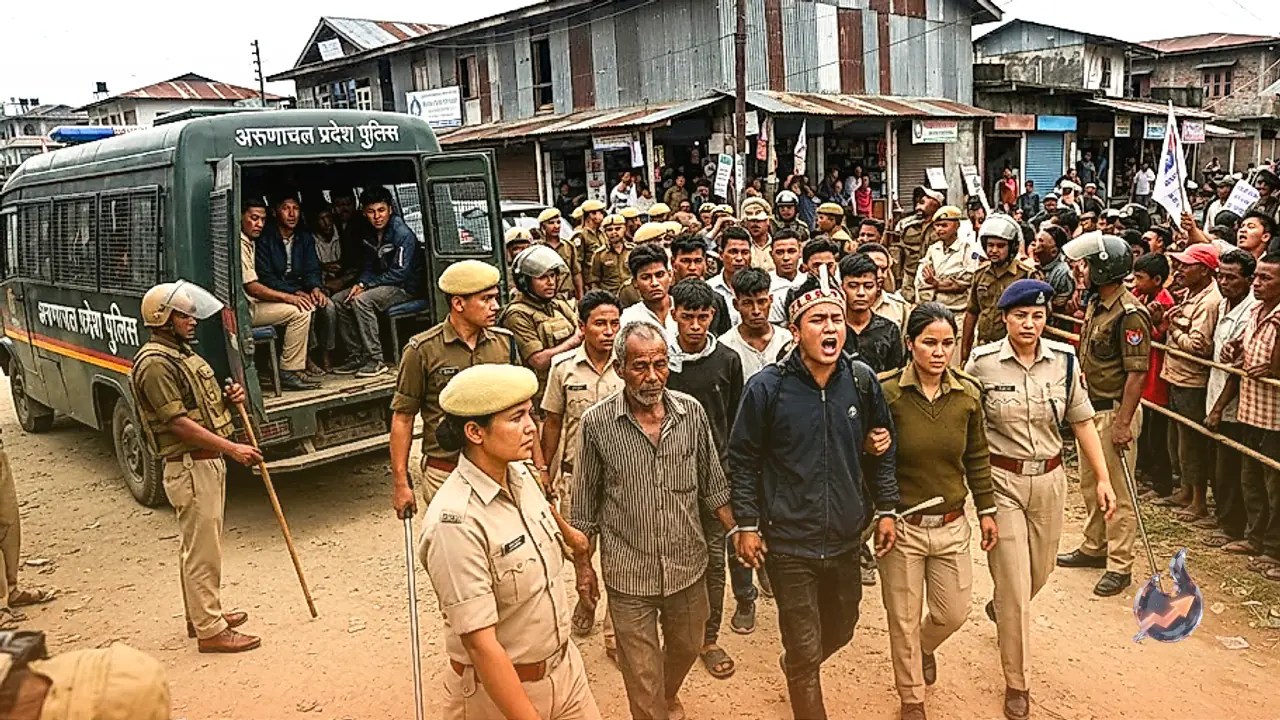
The formal hearings regarding these objections are slated to begin on September 2 at Diyun and Bordumsa. The organization voiced deep concern that Chakma voters could face intimidation, coercion, or physical violence during the proceedings. CDFI founder Suhas Chakma pointed out that certain individuals had filed objections against multiple Chakma electors simultaneously despite having no personal acquaintance with them.
Allegations of Mass Objections and Legal Precedents
Suhas Chakma stated that a single individual lodged objections against as many as 30 Chakma electors for allegedly lacking Indian citizenship, even though the objector was entirely unaware of the background of these voters, highlighting a clear pattern behind the challenges. He emphasized that the citizenship of Chakmas by birth was settled long ago through landmark judgments. He cited the Delhi High Court ruling in the case of People’s Union for Civil Liberties versus the Election Commission of India and Others on September 28, 2000, ECI Order No. 23/ARUN/2003 dated March 3, 2004, the Gauhati High Court judgment dated March 19, 2013, in PIL No. 52 of 2010, and the Supreme Court of India judgment dated September 17, 2015, in Committee for C.R. of Chakmas of Arunachal Pradesh versus the State of Arunachal Pradesh. He noted that Chakmas have been exercising their franchise peacefully for the past 26 years.
Procedural Violations and Past Deadlines
The foundation also drew attention to procedural lapses, noting that objections against 41 Chakma voters in 41-Moitripur under the 49-Bordumsa-Diyum constituency were accepted on August 22, well after the prescribed deadline of August 20 had expired, which it described as a direct violation of established norms.
Constitutional Mandate Against Racial Discrimination
The ECI in its Order No. 23/ARUN/2003 dated March 3, 2004, had previously categorized the non-inclusion of Chakma voters as an issue rooted in racial discrimination. The order noted that under Article 325 of the Constitution, no individual can be declared ineligible for inclusion in electoral rolls on grounds only of religion, race, caste, or sex. It highlighted that eligible Chakmas in Arunachal Pradesh were omitted primarily because they belong to the Chakma tribe, which directly violates the Constitutional mandate.
Context of the Special Intensive Revision
The organization further connected the current wave of objections to the formation of a special committee on the SIR by the All Arunachal Pradesh Students’ Union on July 14, which was created to identify and remove entries of non-citizens from the voter lists. Expressing apprehension regarding the safety of the Chakma and Hajong communities during the hearings, the CDFI recalled a 1996 Supreme Court ruling that mandated the deployment of central security forces to safeguard the life and personal liberty of Chakmas residing in the state.
Calls for Strict Legal Compliance and Protection
The foundation has formally requested the ECI to ensure that every single objection is examined individually and strictly in accordance with the law, preventing any exclusion based solely on Chakma identity. Furthermore, the CDFI demanded that external organizations or individuals be barred from interfering with the statutory verification process. It urged both the Central and state governments to deploy central security forces during the hearings to protect Chakma and Hajong residents from any form of harassment or undue influence.