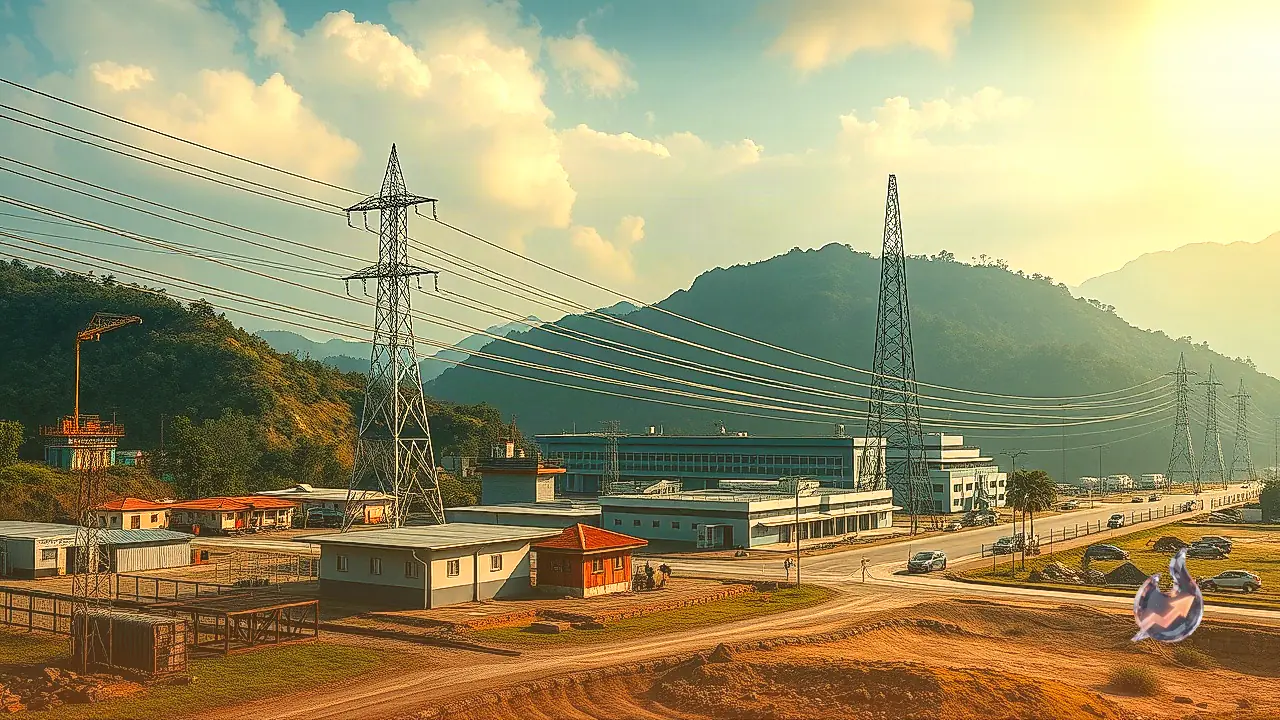






















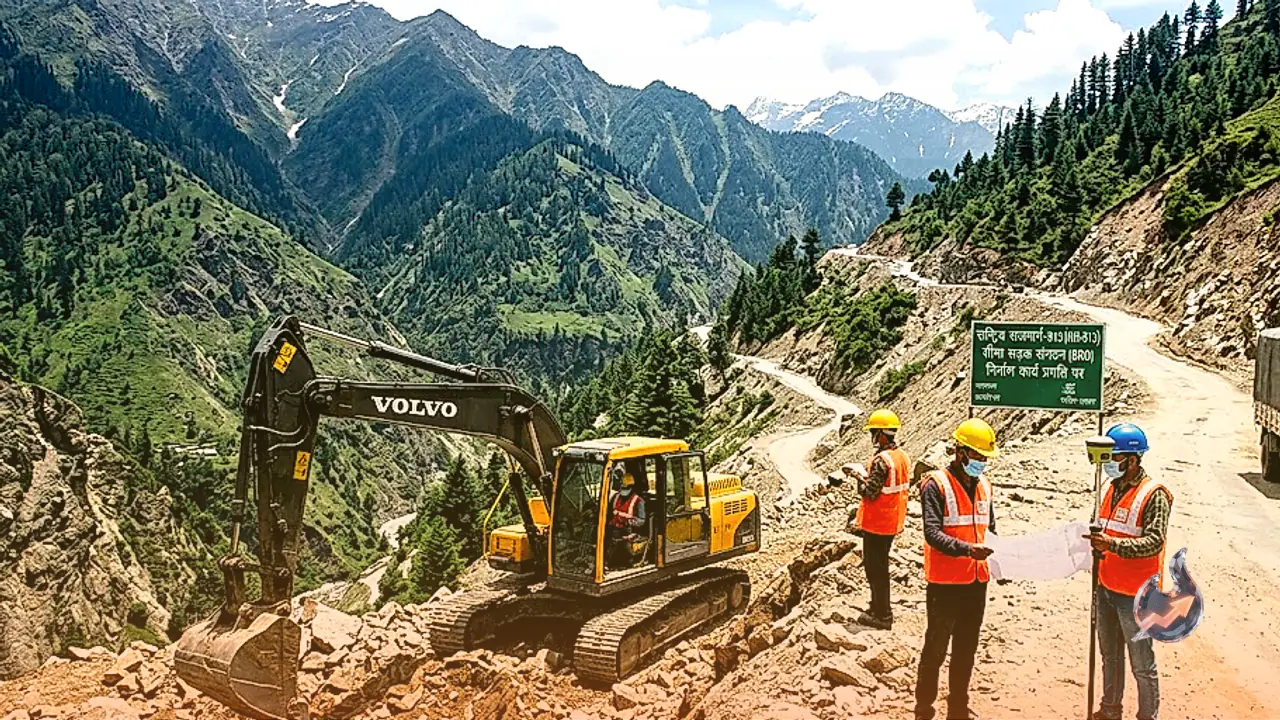

The Central government has taken a major step toward strengthening national security and border infrastructure along the northeastern frontier. Over ₹2,400 crore has been sanctioned for the construction of the strategic Arunachal Frontier Highway, located near the Line of Actual Control (LAC) in Arunachal Pradesh. Under this ambitious infrastructure package, five key road stretches spanning a total length of 278 kilometers will be developed. The new roads form a critical segment of National Highway 913. The Ministry of Road Transport and Highways has officially issued Letters of Acceptance for these projects, paving the way for construction work to begin on the ground.
Breakdown of the 5 Road Stretches and Financial Allocation
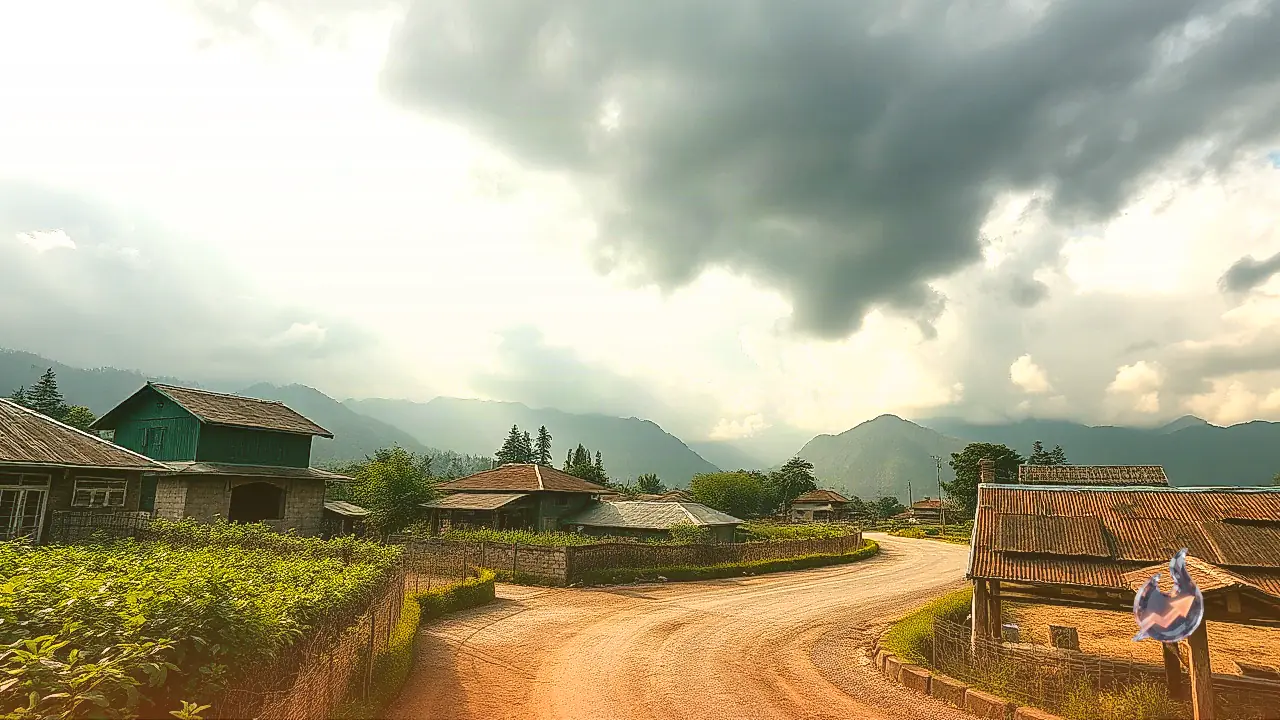
To enhance connectivity across remote and sensitive border terrain, the project has been structured into multiple distinct stretches. The construction will take place primarily across two key border districts of Arunachal Pradesh: Upper Subansiri and West Siang. The approved routes cover vital segments including the Sarli-Huri, Huri-Taliha, and Bile-Miging stretches, connecting some of the most isolated locations near the border.
The largest single project within this package is the Sarli-Huri stretch, which covers a length of 78.38 kilometers. A dedicated budget of approximately ₹611 crore has been allocated for this section, with a completion timeline set at 36 months. In the Huri-Taliha sector, two major road projects have been sanctioned. The first road spans 57 kilometers with an estimated cost of ₹525 crore, while the second road covers a distance of 55 kilometers. Construction work across the Huri-Taliha sector is targeted for completion within 48 months.
Additionally, a 37-kilometer road will be constructed in the challenging Bile-Miging region. Given the harsh topography of this sector, a separate budget of ₹274 crore has been approved. The execution of this major infrastructure contract has been awarded to a joint venture of Ceigall India Limited, which will carry out the construction work over the coming years.
Strategic Military Importance along the Line of Actual Control
This infrastructure development holds immense strategic significance as India responds to China's rapid creation of roads and military outposts along its side of the LAC. By accelerating road building on the Indian side, the government is ensuring robust operational readiness. The Arunachal Frontier Highway is recognized as one of India's most critical border defense initiatives.
The completion of these all-weather roads will drastically improve mobility for the Indian Armed Forces. Military convoys, heavy artillery, supply trucks, and armored units will be able to reach remote frontier outposts without delays. In the event of security contingencies or border emergencies, quick reinforcement and logistical support can be dispatched rapidly, significantly enhancing the defensive posture of troop deployments stationed along the frontier.
Civilian Impact: Local Economy, Tourism, and Border Migration
Beyond its defense utility, National Highway 913 will serve as a vital lifeline for local civilian communities. For decades, residents in border villages of Arunachal Pradesh have faced severe isolation due to difficult terrain and lack of proper roadways. Connecting these frontier villages directly to the national highway network will integrate them with the rest of the country.
Improved road access is expected to stimulate local business activities, facilitate market access for agricultural produce, and open up new opportunities for eco-tourism. Furthermore, robust infrastructure will help curb civilian migration away from border habitations. Maintaining populated and thriving frontier villages is widely regarded by security experts as an essential element of long-term border management and national security.