















Every Household in Arunachal Pradesh Now Has Electricity and Tap Water, Confirms Chief Minister Pema KhanduArunachal Pradesh
22 Aug 2026, 1:23 pm (2 hours ago)· 1

Every Household in Arunachal Pradesh Now Has Electricity and Tap Water, Confirms Chief Minister Pema Khandu

Chief Minister Pema Khandu announced that Arunachal Pradesh has reached 100 percent coverage in both household electrification and clean tap water access over a 10-year transformation.

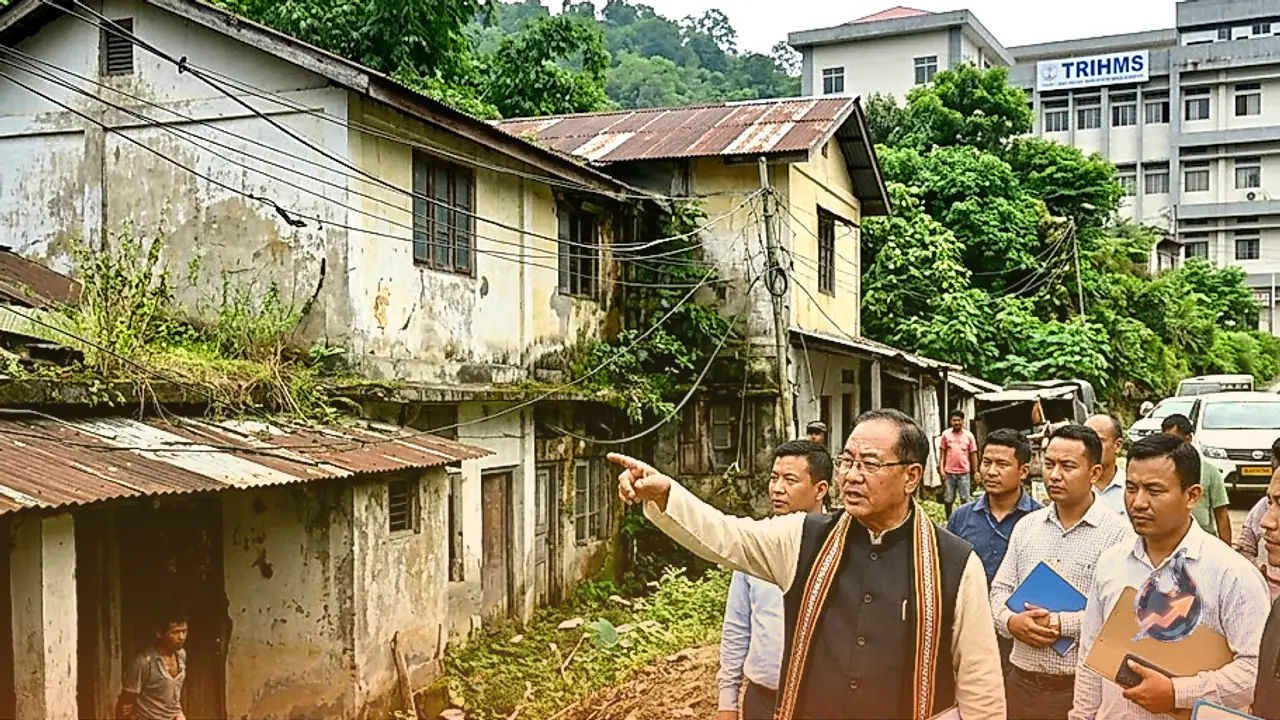
Every home across Arunachal Pradesh now has access to electricity and functional tap water connections, following a decade of intense infrastructure expansion. Chief Minister Pema Khandu shared details of this milestone on Saturday, emphasizing how basic amenities have been extended to the most remote corners of the northeastern state.

A Decade of Progress in Household Electrification

Providing figures on the state's progress, Chief Minister Pema Khandu highlighted the dramatic expansion of the power network since 2016. A decade ago, only about 1.48 lakh households in Arunachal Pradesh had electricity, which represented just 49 per cent of the total residential units at the time.

By 2026, the total number of electrified homes has expanded to 3.02 lakh households. This step-by-step expansion has successfully elevated the state's household electrification rate to a complete 100 per cent, ensuring power supply to distant tribal communities and border hamlets.

Unprecedented Surge in Clean Tap Water Access

The growth in drinking water access has recorded an even steeper rise across the state over the same ten-year timeframe. Back in 2016, a mere 22,796 households had access to functional tap water, amounting to just 9.9 per cent coverage.

In a recent post on X, Khandu noted that the total count of homes with running tap water has surged to 2,28,566 by 2026. This represents a massive 903 per cent increase in tap water infrastructure, achieving 100 per cent coverage statewide. In his post, Khandu noted that Arunachal Pradesh has made a significant difference in delivering two core necessities: power and drinking water over the past decade.

Comprehensive Progress Report Presented to Union Home Minister

Beyond water and power statistics, CM Khandu recently submitted a comprehensive ten-year progress report of Arunachal Pradesh to Union Home Minister Amit Shah. The document maps out a broader decade-long transformation across the state, detailing gains in regional transport connectivity, economic development, and the overall strategic integration of isolated border areas.

The progress report also showcases clear economic momentum, including growth in the Gross State Domestic Product (GSDP) alongside improvements in per-capita income. Furthermore, the report emphasizes a noticeable rise in internal revenue generation and more effective optimization of the state budget, setting a foundation for long-term financial health.


Also read

Questions & Answers

What achievements did Arunachal Pradesh announce regarding basic utilities?
Arunachal Pradesh announced achieving 100 percent household electrification and functional tap water coverage across the state.
How much has household electrification grown in Arunachal Pradesh since 2016?
Electrified households grew from 1.48 lakh (49 per cent) in 2016 to 3.02 lakh households (100 per cent) in 2026.
What is the increase in tap water coverage in the state?
Tap water connections expanded from 22,796 households (9.9 per cent) in 2016 to 2,28,566 households in 2026, marking a 903 per cent increase.
Who received Arunachal Pradesh's 10-year progress report?
Chief Minister Pema Khandu presented the decade-long progress report to Union Home Minister Amit Shah.

Comments 2

Rohan Verma@rohan-verma·24m ago

Achieving 100 percent coverage in electricity and tap water within a decade in a geographically challenging and mountainous border state like Arunachal Pradesh is a massive administrative milestone. Scaling up from a mere 9.9 percent to complete coverage demonstrates that coordinated center-state efforts can drive structural transformation even in remote tribal terrains. The real challenge moving forward will be ensuring long-term maintenance of these assets and uninterrupted service delivery in border hamlets.

Arjun Mehta@arjun-mehta·24m ago

Expanding 100 percent basic infrastructure in this geo-politically sensitive border state goes beyond administrative success; it acts as a robust pillar for national security and border management. When remote tribal habitations receive essentials like electricity and clean water, it checks outward migration and strengthens the local population's integration with the mainstream. Moving forward, maintaining uninterrupted supply amidst difficult terrains and seasonal vagaries will remain the ultimate test for governance.

Citizen journalism

Become a TrendKia journalist

Voice of the people

Share news, photos and videos from your area with TrendKia and let your voice reach the nation. Every citizen a journalist.

Join now
CH 01 LIVE
TrendKia TV ON AIR