















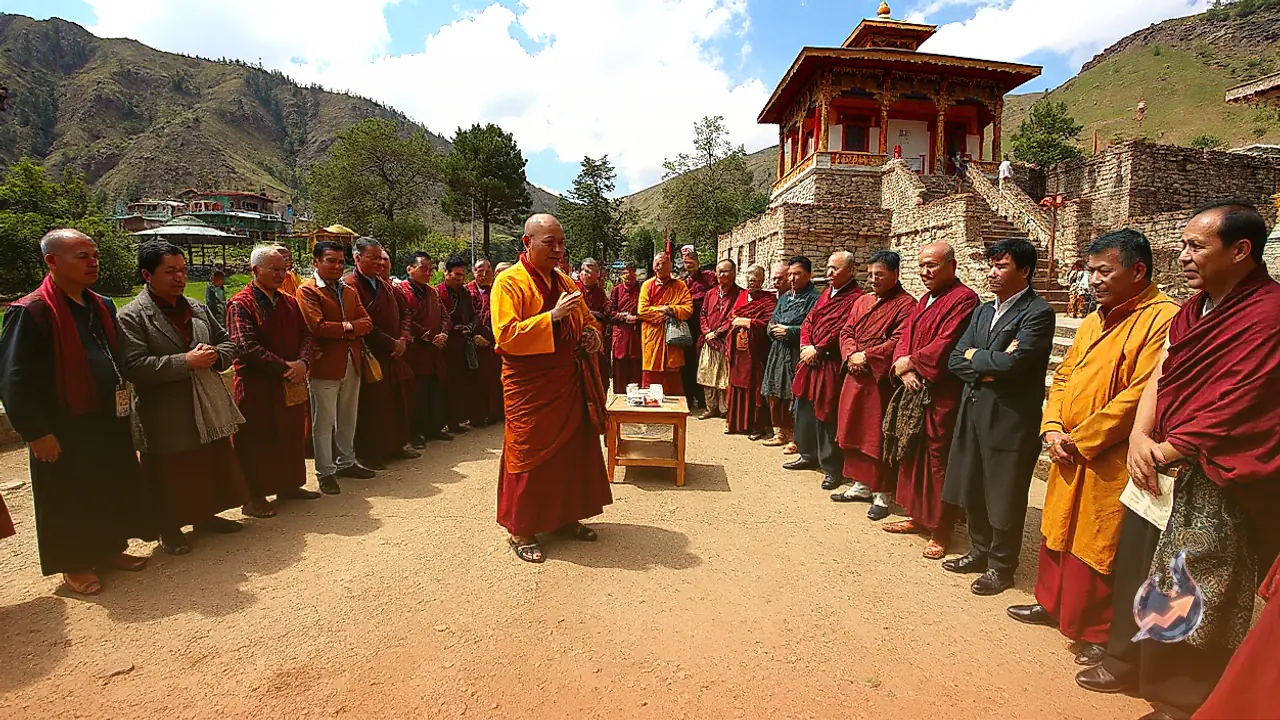

In an era marked by growing geopolitical tensions, social fragmentation, and rising intolerance across the globe, the foundational insights of Lord Buddha offer an enduring path forward for humanity. Arunachal Pradesh Chief Minister Pema Khandu has appealed to the global community to embrace Buddhist principles, highlighting compassion, ethical wisdom, and the Middle Path as essential instruments to build harmony and reduce international discord. He delivered these remarks while opening a high-level international gathering at Kalawangpo Hall in Tawang.
Scholars Convene in Tawang to Discuss Himalayan Buddhist Heritage
The gathering, titled International Conference on “Buddhism: Dissemination in the Himalayan Region and Beyond”, commenced on Monday in the historic frontier town. The initiative was organised through a collaborative effort between the Arunachal Pradesh government and the International Buddhist Confederation, backed by support from the Union Ministry of Culture. According to a formal dispatch released by the Chief Minister's Office on Tuesday, Khandu observed that the Buddha's guidance provides a timeless framework for collective prosperity, balance, and peaceful coexistence among societies.
Sharing reflections from the forum, the Chief Minister wrote on X that preserving spiritual legacy must translate directly into practicing empathy, ethical behavior, and mutual harmony in everyday life.
Spiritual Eminence of Tawang and Sacred Relics
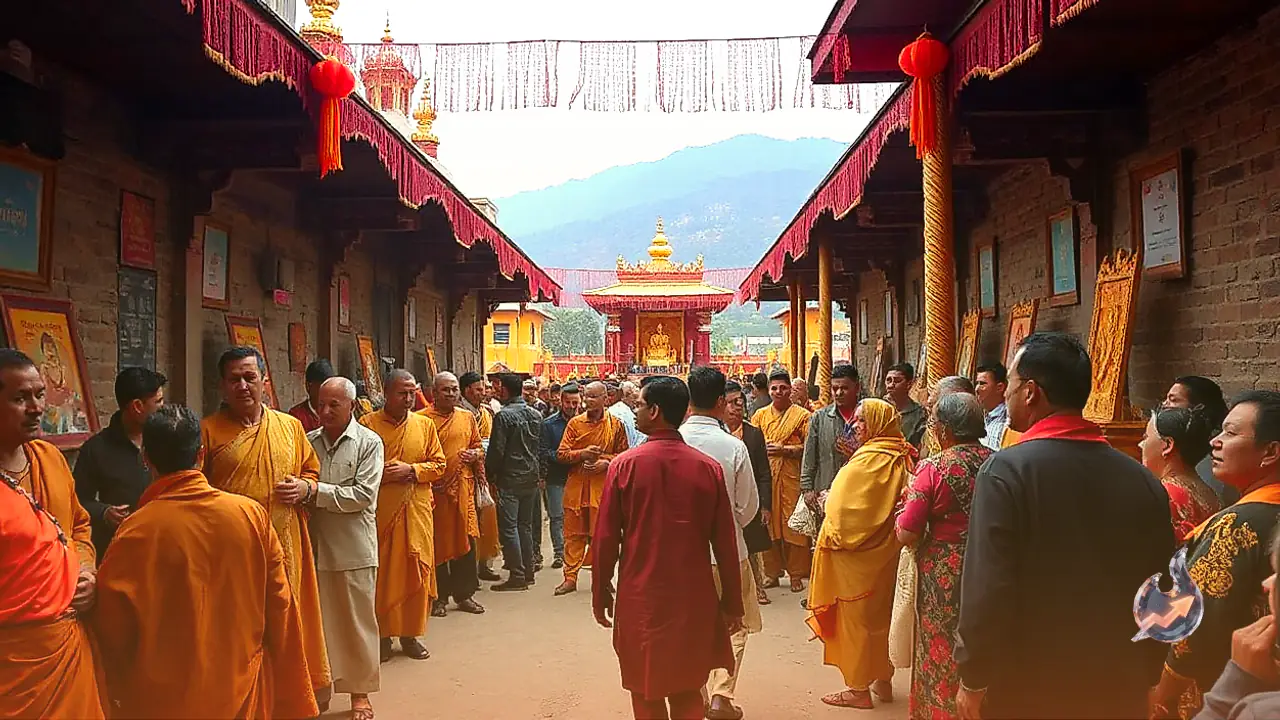
Emphasising the profound historical standing of the border district, Khandu characterised Tawang as an energetic sanctuary of Buddhist culture. He observed that the historic Tawang Monastery has stood for centuries as an influential center for Buddhist education, contemplation, and philosophical scholarship. The Chief Minister noted that the conference carries unprecedented spiritual weight for residents and visitors alike, as the sacred relics of Lord Buddha are currently being hosted within the town.
Khandu explained that Buddhist philosophy extends far beyond religious rituals, functioning as a complete way of living anchored in practical understanding and balanced conduct. The diverse monastic institutions, temples, nunneries, and quiet hermitages across Tawang and adjacent valleys are far more than devotional sites. Instead, they serve as vital academies of traditional knowledge that have guarded the region's cultural and intellectual inheritance across generations.
Balancing Modern Infrastructure with Cultural Preservation
Positioning Arunachal Pradesh as a historical bridge that facilitated the continuous flow of philosophy, culture, and monastic customs between regions, the Chief Minister affirmed the state administration's pledge to safeguard these traditions. He underlined that ongoing modernisation and developmental pursuits must proceed in full harmony with environmental preservation and regional cultural roots. This living legacy, he noted, strengthens spiritual resilience while serving as a cultural tie binding disparate communities and nations together.
The inaugural assembly was also addressed by International Buddhist Confederation Secretary General Shartse Khensur Rinpoche Jangchup Choeden and Rev Dramed Sungrab Tulku, the Abbot of Tawang Gaden Namgyal Lhatse Monastery. Following the opening proceedings, dynamic panel sessions convened experts representing Arunachal Pradesh, Delhi, Sri Lanka, and Myanmar. Later deliberations brought together academics and delegates from Indonesia, Germany, Nepal, Malaysia, and several Indian states to explore strategies for passing down Buddhist heritage to future generations.