






















Medical experts from the central government and Arunachal Pradesh state administration have joined forces to manage a sudden outbreak of Foot and Mouth Disease (FMD) affecting domestic livestock in Dibang Valley. The emergency intervention brings together specialists from the State Animal Husbandry and Veterinary Department, local district authorities, and visiting central officials. Their coordinated strategy focuses on treating infected animals, carrying out rigorous field surveillance, enforcing biosecurity measures, and gathering biological samples for detailed diagnostic evaluations.
Deployment of Emergency Medical Units and Field Specialists
The ground response commenced after reports of the infection surfaced in early August. District Veterinary Officer Dr D Riba confirmed that an initial Rapid Response Team (RRT) traveled from Itanagar to Anini on August 8, bringing a critical supply of essential veterinary medicines. Following this initial deployment, authorities established three specialized RRTs to cover different sectors across the affected district.
To strengthen epidemiological monitoring, a District Informatics Officer based in Tezu, located within Lohit district, joined the local teams on August 11. This official was tasked with assisting field workers in conducting detailed health assessments, evaluating disease transmission patterns, and overseeing the collection of laboratory samples from domestic animals.
Central Experts Conduct Extensive District Surveys
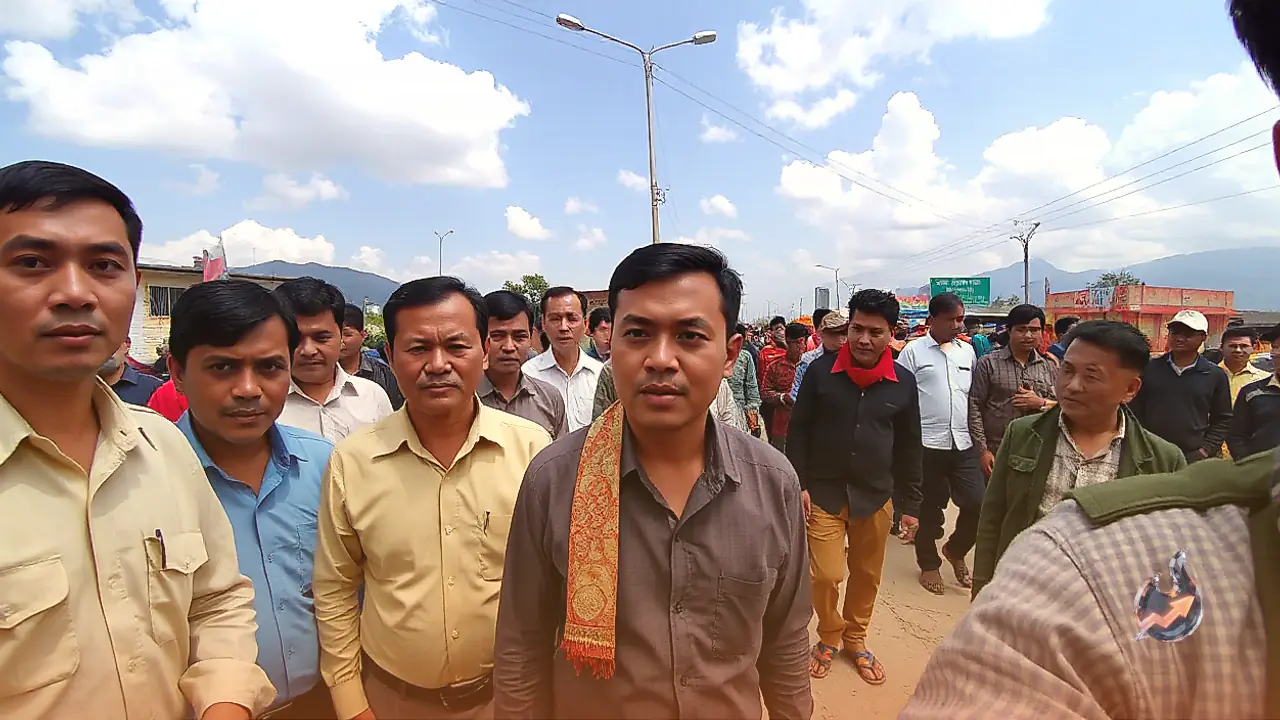
A high level delegation from the Union government, headed by Joint Commissioner Dr V K Teotia, arrived in Dibang Valley on August 13 to oversee containment operations. On August 14 and August 15, the expert delegation executed extensive field visits across several remote locations, including Acheso, Angrim Valley, Aropo, Chegu Camp, Mipi Circle, Maro, Matu Camp, and 9 Kilo.
During these visits, veterinary personnel provided direct medical care to sick livestock, distributed essential pharmaceuticals, and collected diagnostic specimens from Mithuns, pigs, and goats. In cases where animal fatalities occurred, veterinary officers performed post-mortem examinations to determine the exact cause of death and assess pathological changes.
Military Outpost Visits and Community Outreach
As part of the biosecurity drive, the central delegation visited the Indo-Tibetan Border Police (ITBP) camp situated at Acheso. Veterinary staff collected blood samples from goats kept at the facility while providing border personnel with detailed briefings on disease transmission, biosecurity protocols, and general public health measures needed to prevent further spread.
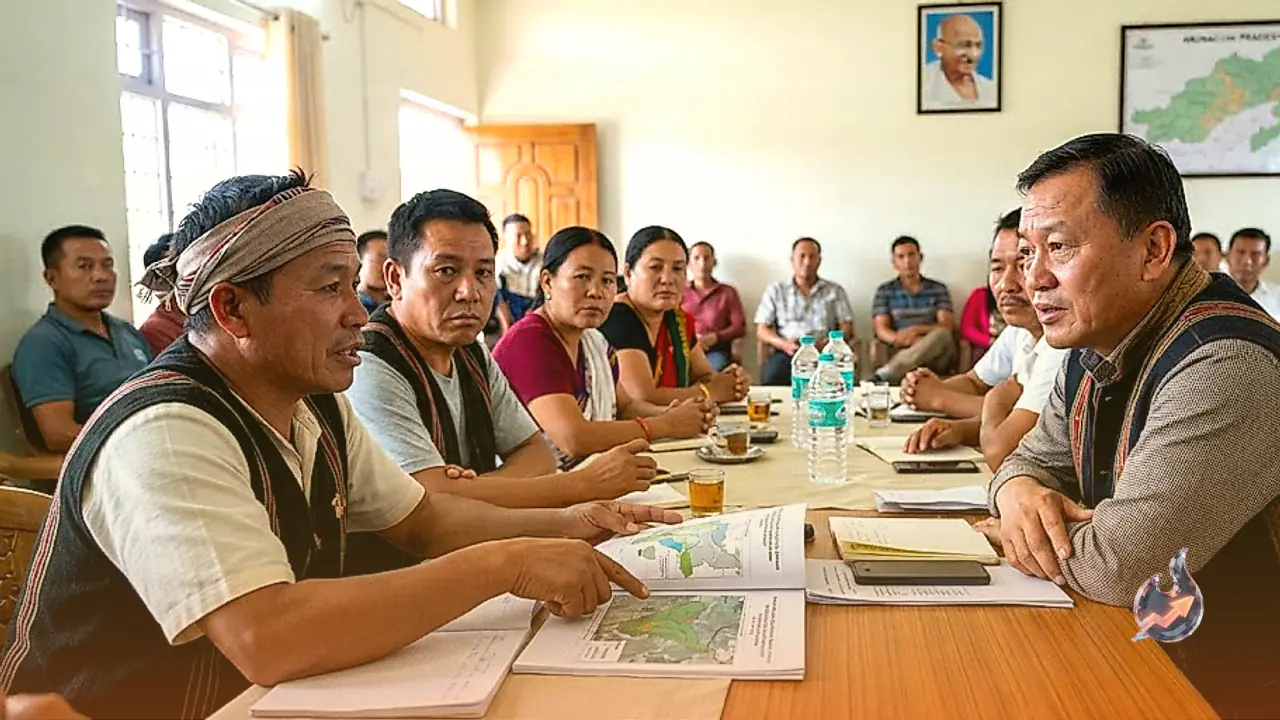
The containment strategy also emphasized active community participation. Officials held interactive sessions with Mithun rearers, village elders known as Gaon Buras, and elected representatives from Panchayati Raj Institutions. Local leaders actively assisted in these efforts. Anini Member of Legislative Assembly Mopi Mihu supplied medical kits and logistical support while promising administrative backing to protect farmers' economic interests. Additionally, Sadhu Mihu, who serves as the Dibang Valley Zilla Parishad Chairperson, along with Eta Mihu, the Acheso-Angrim Valley Zilla Parishad Member, joined the visiting experts during field surveys to facilitate communication with villagers.
Laboratory Testing and Long Term Prevention Measures
To review overall administrative readiness, officials inspected key facilities in Anini, including the District Veterinary Office, the local Veterinary Dispensary, and the Cattle Breeding Farm. Following the completion of field surveys, the central delegation departed Anini on Sunday, transporting the gathered diagnostic samples to specialized laboratories for advanced testing.
Dr Riba stated that the deployed Rapid Response Teams will remain stationed throughout Dibang Valley until the contagious disease is fully eradicated, adding that additional veterinary personnel stand ready for deployment if required. Departmental officials reiterated that bi-annual FMD vaccination remains the most effective defense against outbreaks. Livestock owners across the region have been strongly advised to participate in upcoming vaccination drives, report suspect symptoms immediately, and adhere to strict sanitation and animal waste disposal guidelines.