



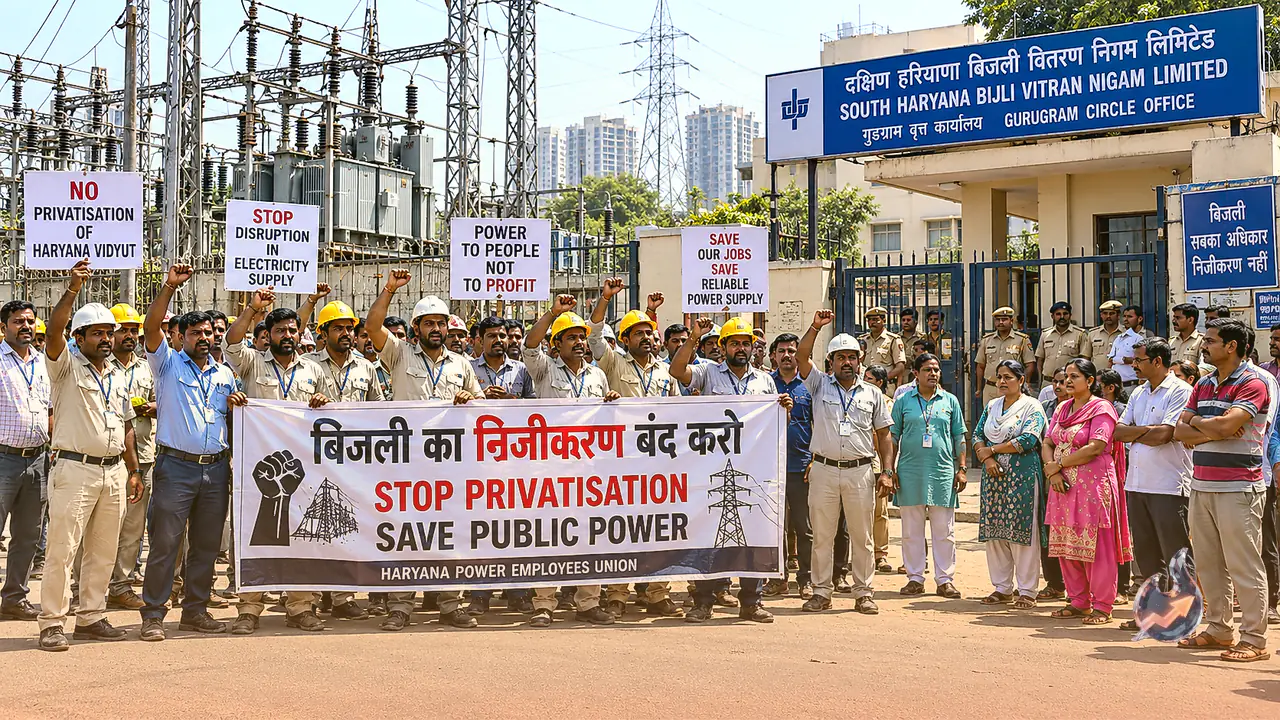














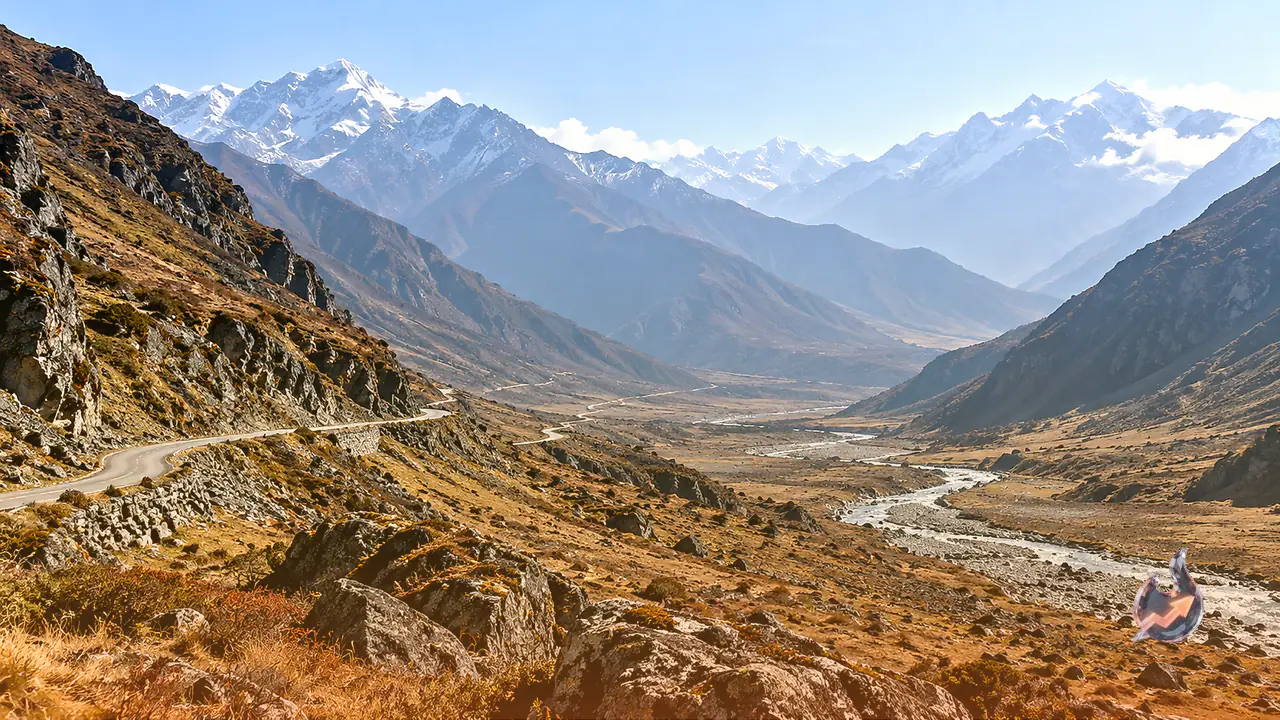

Confrontations between Indian border personnel and Chinese soldiers continue across multiple sensitive sectors along the Line of Actual Control in Arunachal Pradesh. These ground-level stand-offs have persisted intermittently since July, pointing to an uneasy and unresolved security situation in the eastern Himalayas.
Forward Deployments and Counter-Measures Along the Frontier
Speaking at the Himveer Samman Samaroah on Thursday, Indo-Tibetan Border Police Director General Shatrujeet Kapur outlined the current ground situation along the frontier. He acknowledged that personnel from both militaries found themselves in close contact at several distinct points recently.
“In the past few days, a situation arose where face-offs happened at several locations... and it still continues.”
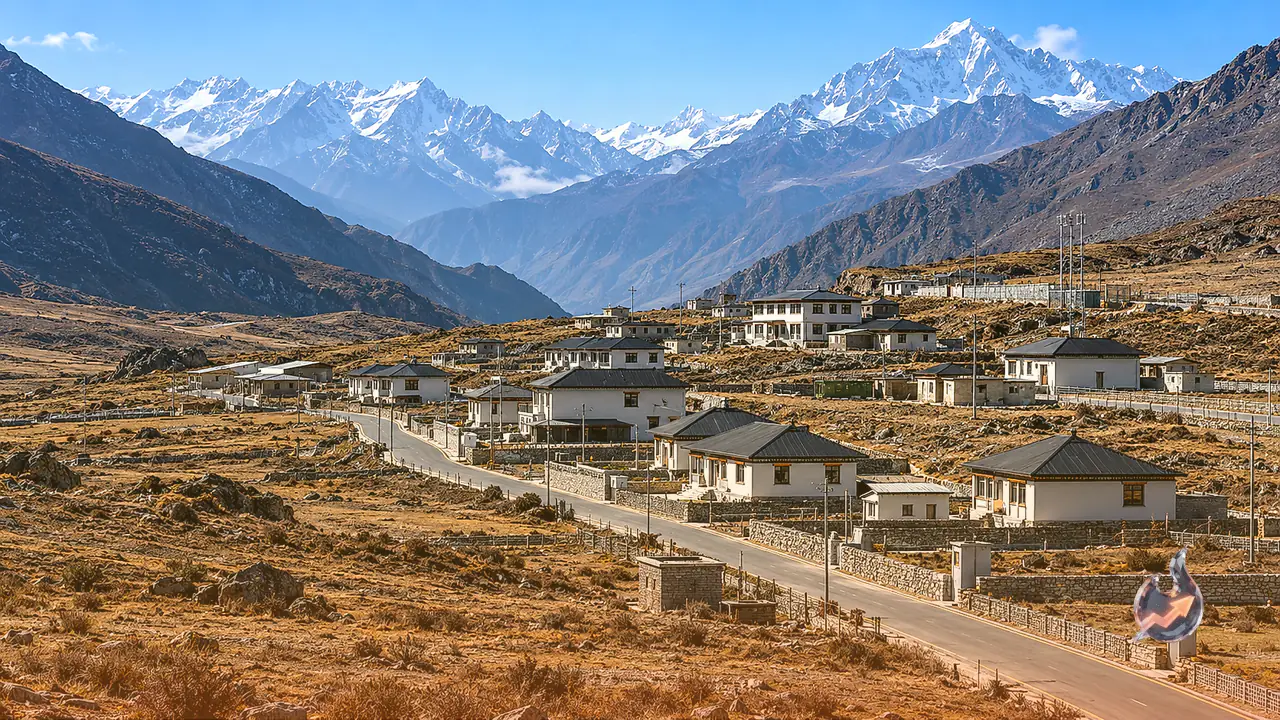
The security assessment highlighted fresh Chinese military encampments in forward positions along the contested boundary. Personnel from the People's Liberation Army set up shelters roughly 6 to 7 kilometres from the alignment India regards as the Line of Actual Control. Notable troop activity was detected around Asapfila as well as sectors adjacent to Taksing in Arunachal Pradesh.
To safeguard territorial integrity and deter unexpected incursions, Indian forces responded by executing targeted counter-deployments opposite the Chinese positions, ensuring strategic parity on the high-altitude ridgelines.
Specialised Mountain Warfare and the Shift to Drone Capabilities
Highlighting defensive capabilities, the ITBP leadership commended the operational contribution of its newly established Shaurya commandos. The force originated as a mountain guerilla formation before taking over formal border guarding responsibilities along the Chinese frontier in 2004.
Without abandoning that traditional focus, the paramilitary organization is currently structuring an exclusive high-altitude combat element separate from regular army formations. This initiative will soon culminate in a full operational battalion composed of Shaurya commandos, directly reinforcing India's high-altitude tactical advantage.
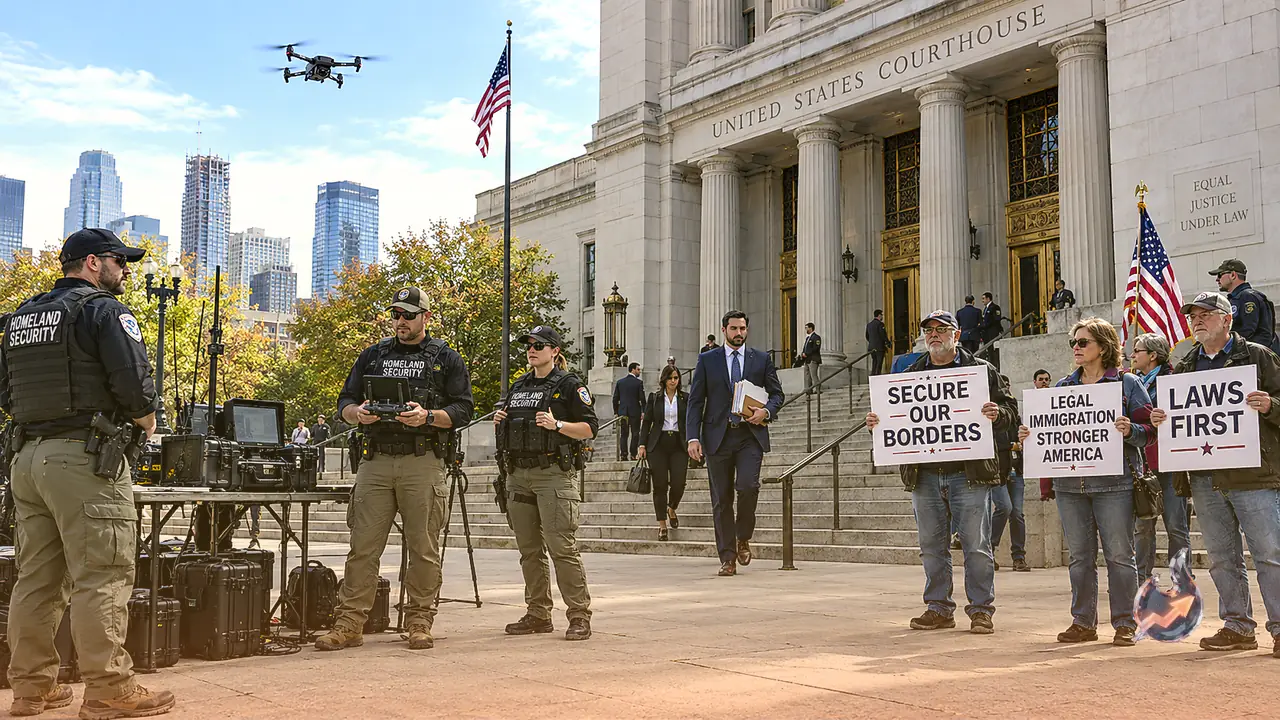
Technological transformation in warfare also featured prominently in the discussion, particularly the heavy investments driving Chinese military modernisation. Unmanned aerial platforms have fundamentally reshaped modern combat doctrines, enabling smaller nations to push back against formidable conventional powers, with ongoing global security crises involving Russia and Ukraine, as well as tensions between Iran and the United States, demonstrating this capability shift.
Context of Military Dialogue and Diplomatic Efforts
These developments unfold just weeks after senior commanders from both nations convened to address friction points in the border belt. On September 6, Corps Commander-level negotiations took place at the Wacha-Damai border meeting post on the Indian side to address localized friction near Taksing, though localized frictions continue along the ridgeline.