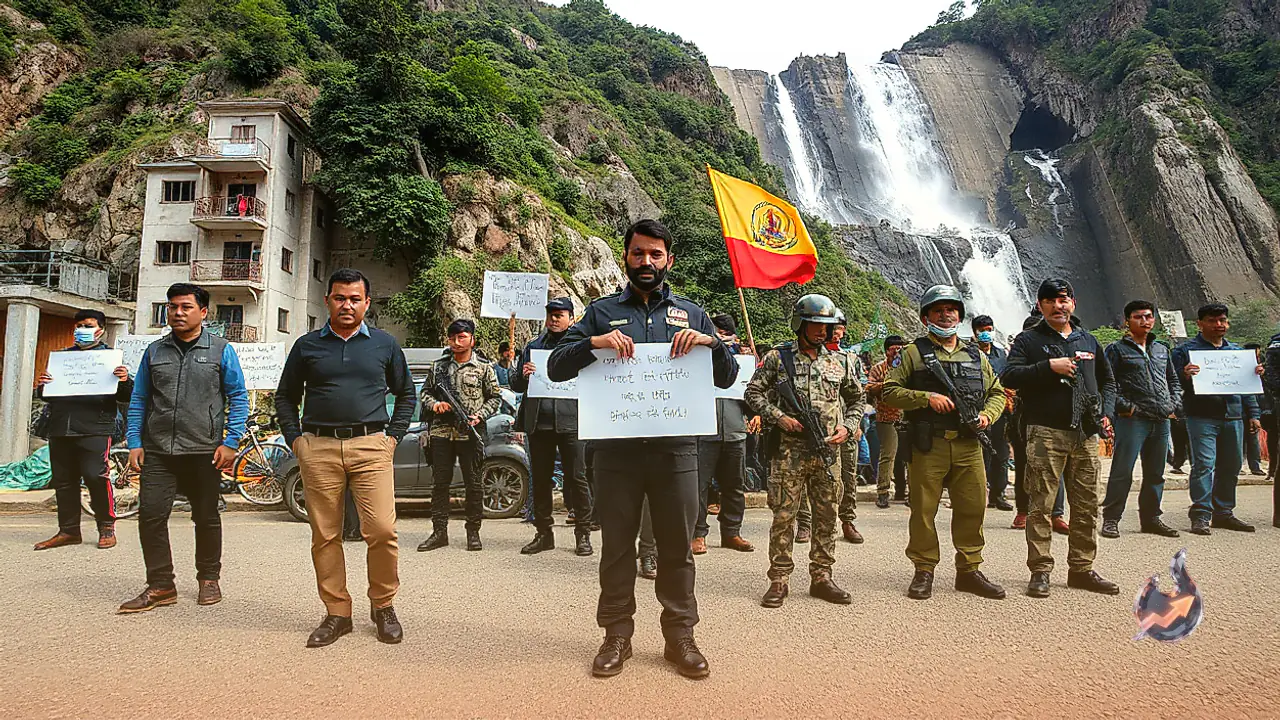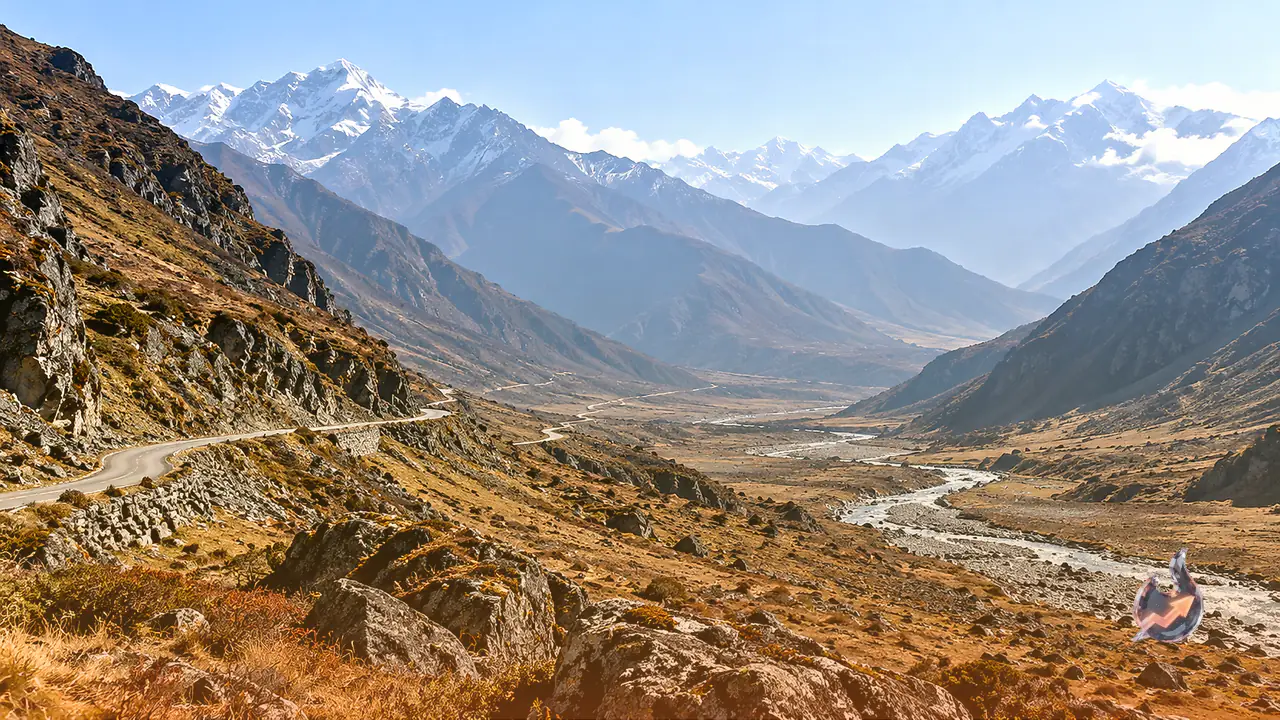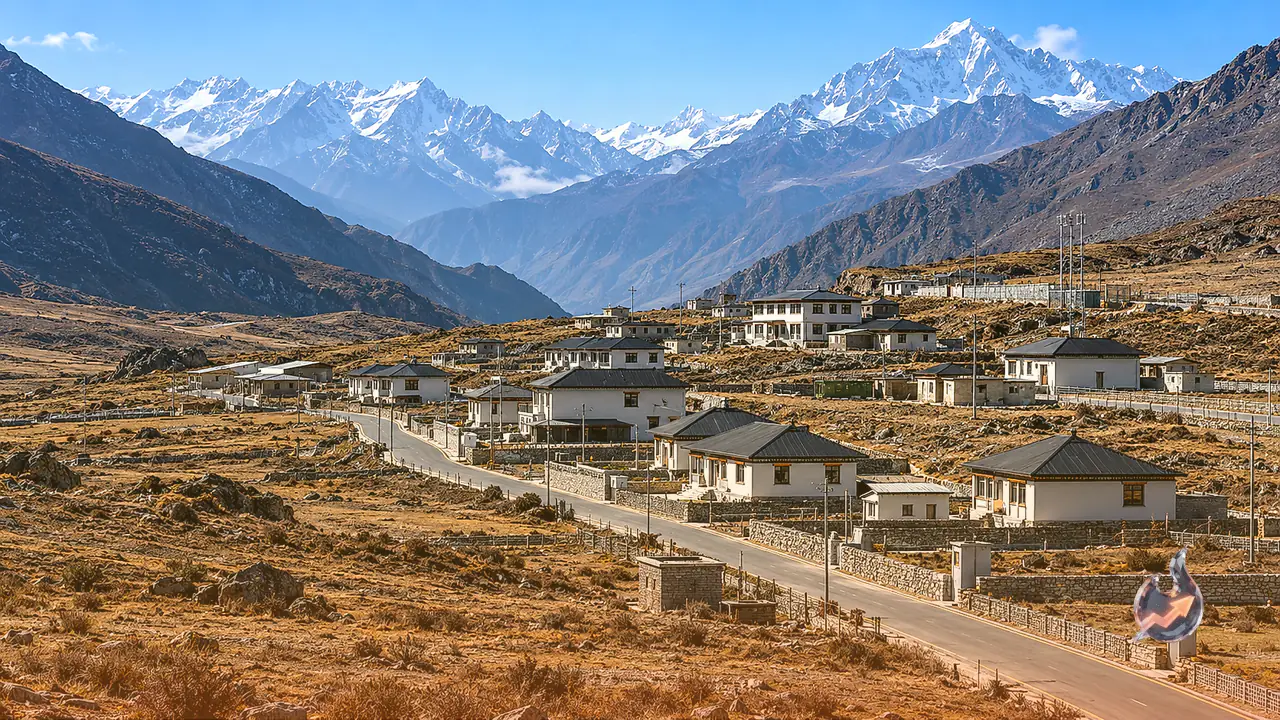


















Daily life ground to a halt across Arunachal Pradesh's Upper Siang district on Monday as an intense 36-hour shutdown began in opposition to a planned mega hydropower dam. Commercial establishments stayed shuttered, educational classrooms remained empty, and public buses stayed off the streets throughout the day. In several locations, protesters expressed their dissent by setting tyres ablaze on major thoroughfares.
Three-District Strike Call and Core Charter of Demands
The widespread agitation was jointly spearheaded by the Siang Indigenous Farmers Forum alongside the Siang Upper Multipurpose Project Affected Area Youth Association. The strike call encompassed three districts, spanning Siang, Upper Siang, and East Siang. Leaders from both groups stated that administrative authorities had completely failed to address the demands listed in their formal charter.
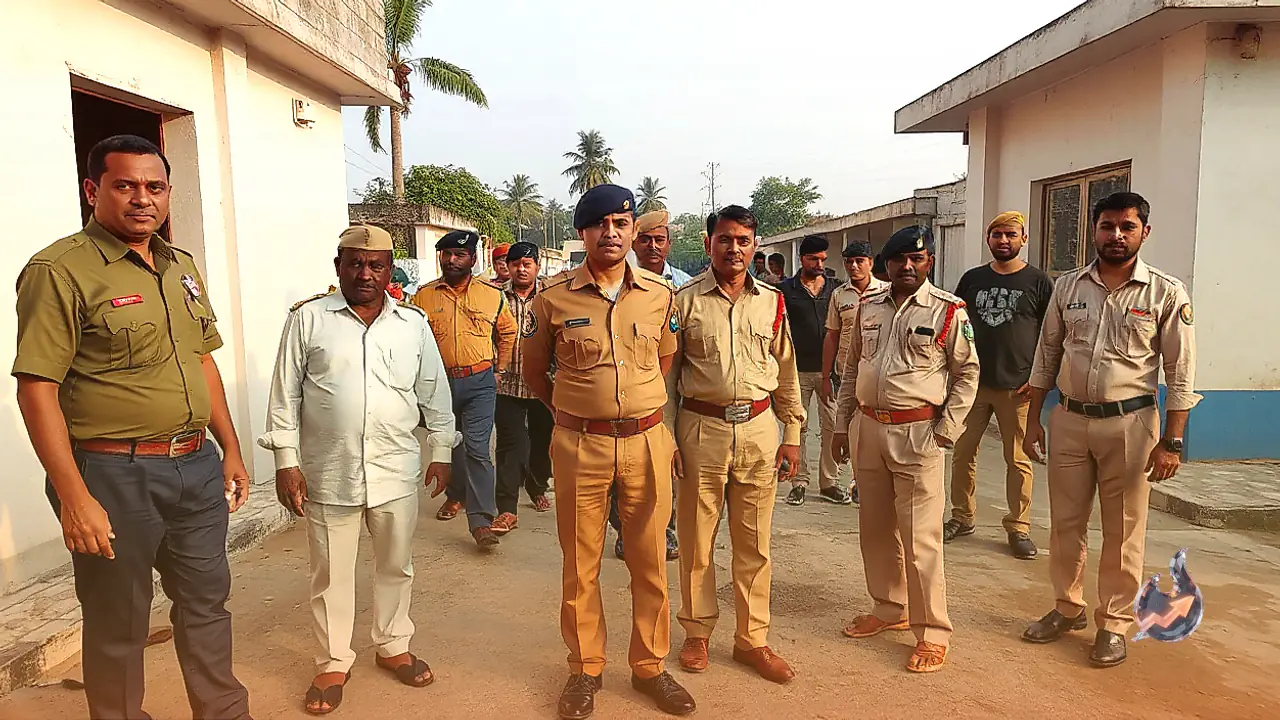
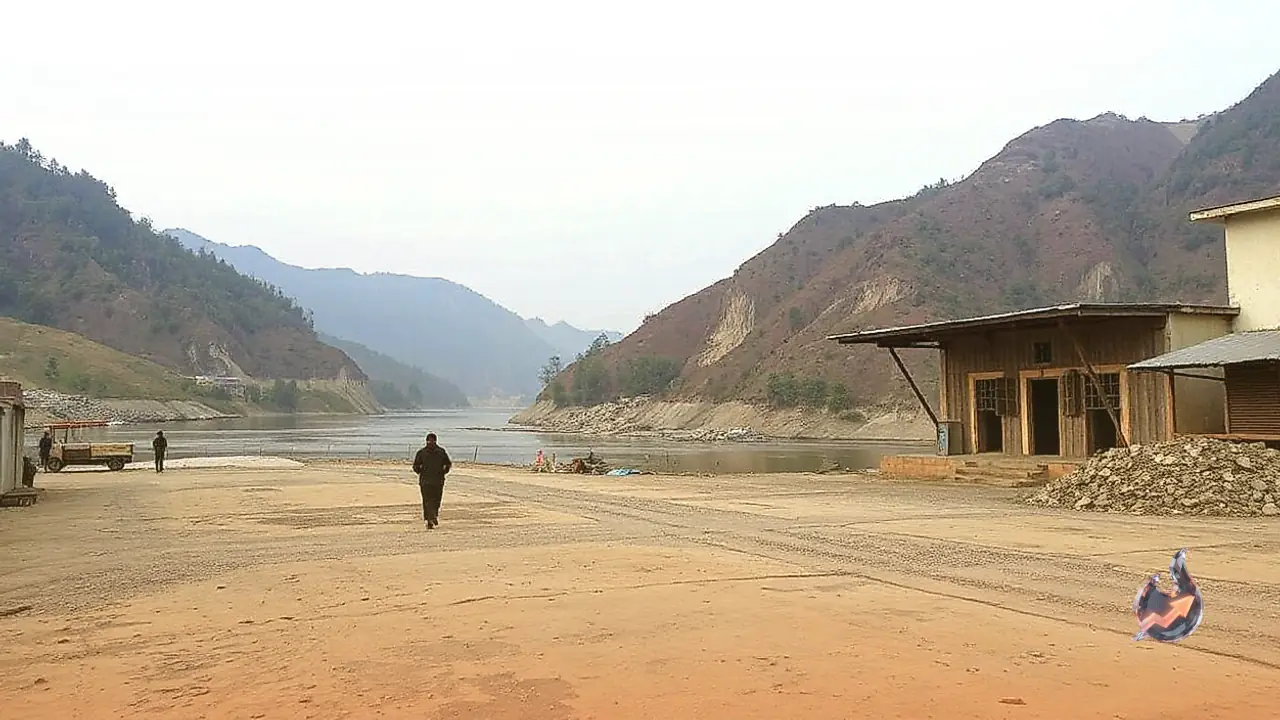
The protesting groups have laid down three non-negotiable conditions before the authorities: the immediate release of arrested anti-dam demonstrators, the complete withdrawal of deployed security forces from the valley, and a total halt to ongoing survey operations for the proposed 11,200-MW Siang Upper Multipurpose Project planned on the Siang river.
Uneven Ground Impact Across Valley Districts
Official assessments indicated that while normal life was brought to a standstill across Upper Siang, East Siang witnessed moderate disruptions, and Siang district remained largely untouched by the shutdown. Upper Siang Deputy Commissioner Ashok Tajo stated that numerous administrative offices, schools, and trading centres remained closed during the agitation. He noted that the impact of the strike was most pronounced in Yingkiong town and Geku.
Offering a contrasting ground reality, Siang Superintendent of Police Kamdam Sikhom stated that the shutdown had zero impact in his jurisdiction. Government departments, commercial marketplaces, and educational institutions in Siang district carried on with their regular daily routines without interruption.
Local Grievances Against Strategic Imperatives
Projected as one of the largest hydropower undertakings in India, the ambitious initiative has faced enduring opposition from segments of the indigenous Adi community and families residing in the prospective submergence zone. Their foremost grievances revolve around the permanent inundation of ancestral villages, mass displacement, the destruction of farmlands and dense forests, and the gradual erosion of their centuries-old socio-cultural heritage.
Conversely, the central government views the mega dam through a critical strategic lens. It serves as a geopolitical counterweight to China's proposed gargantuan dam on the Yarlung Tsangpo in Tibet, the international river that subsequently flows into Indian territory as the Siang.