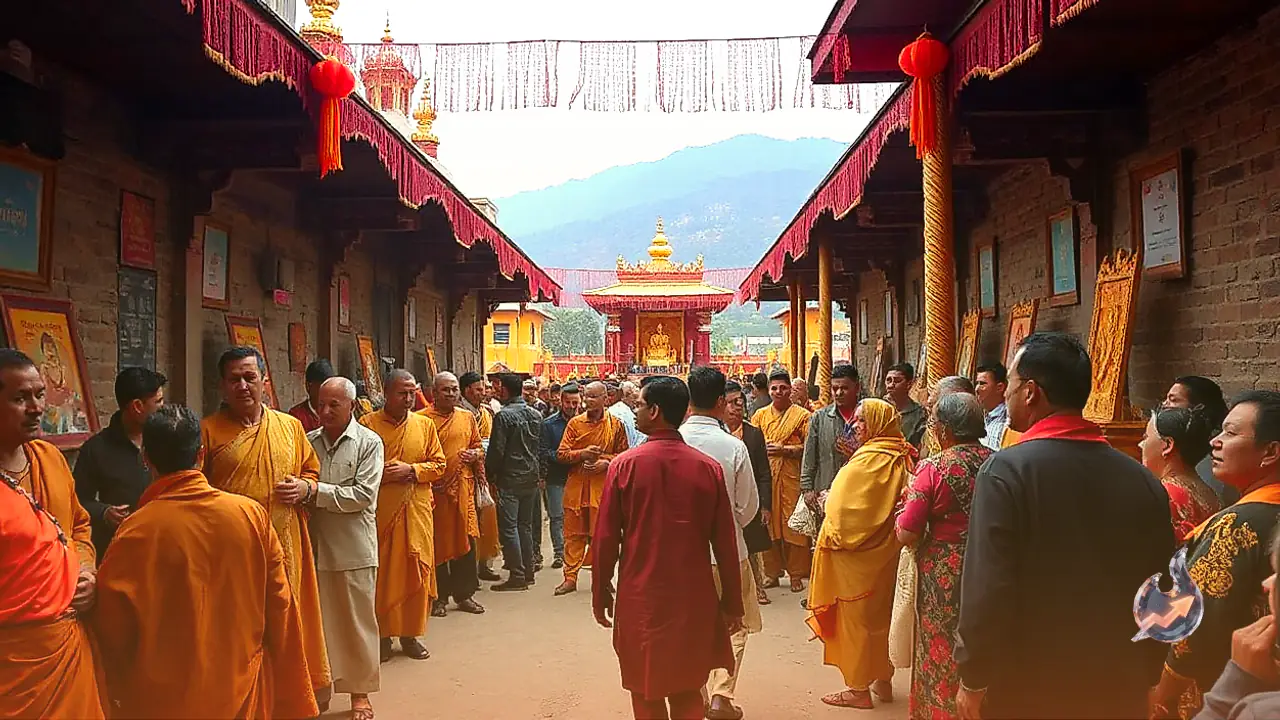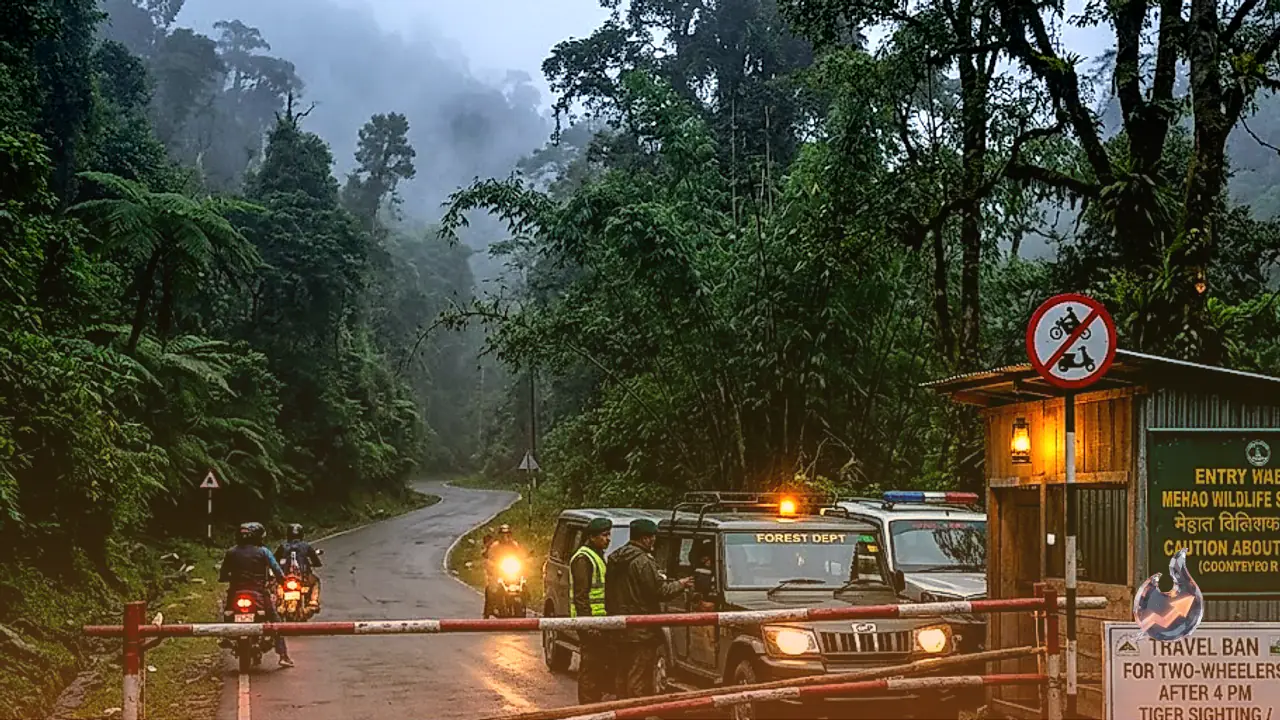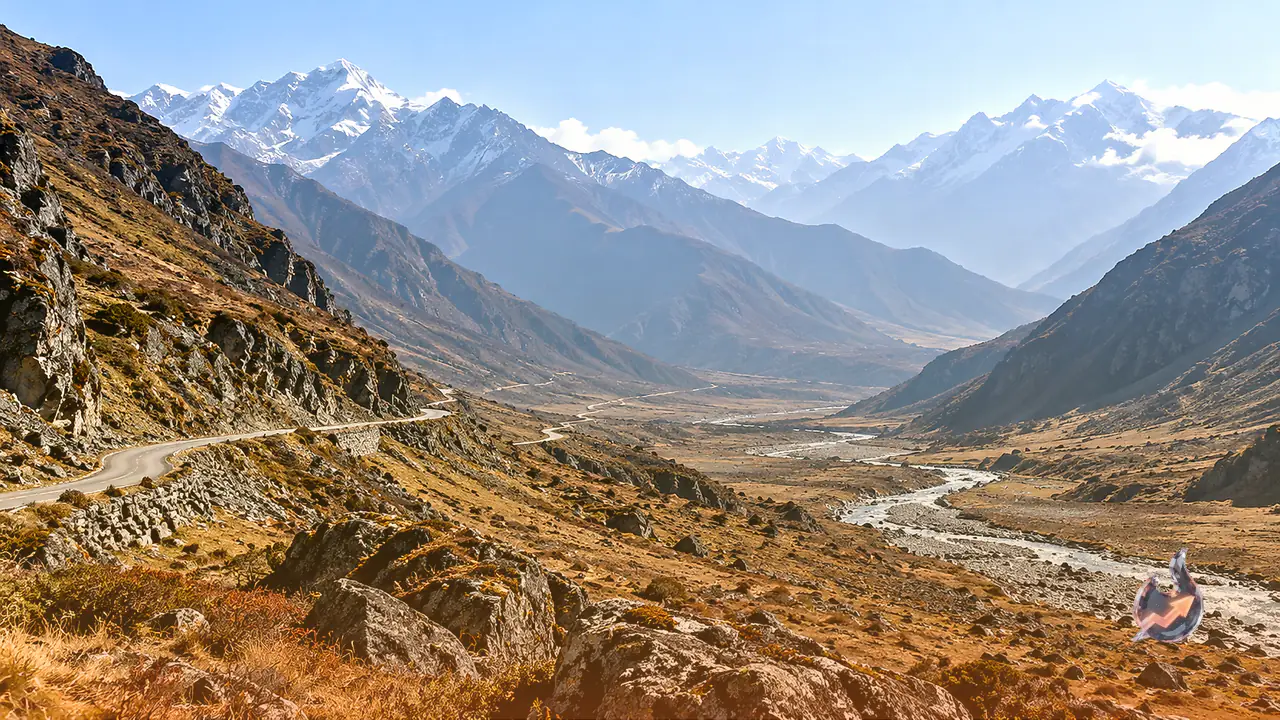



















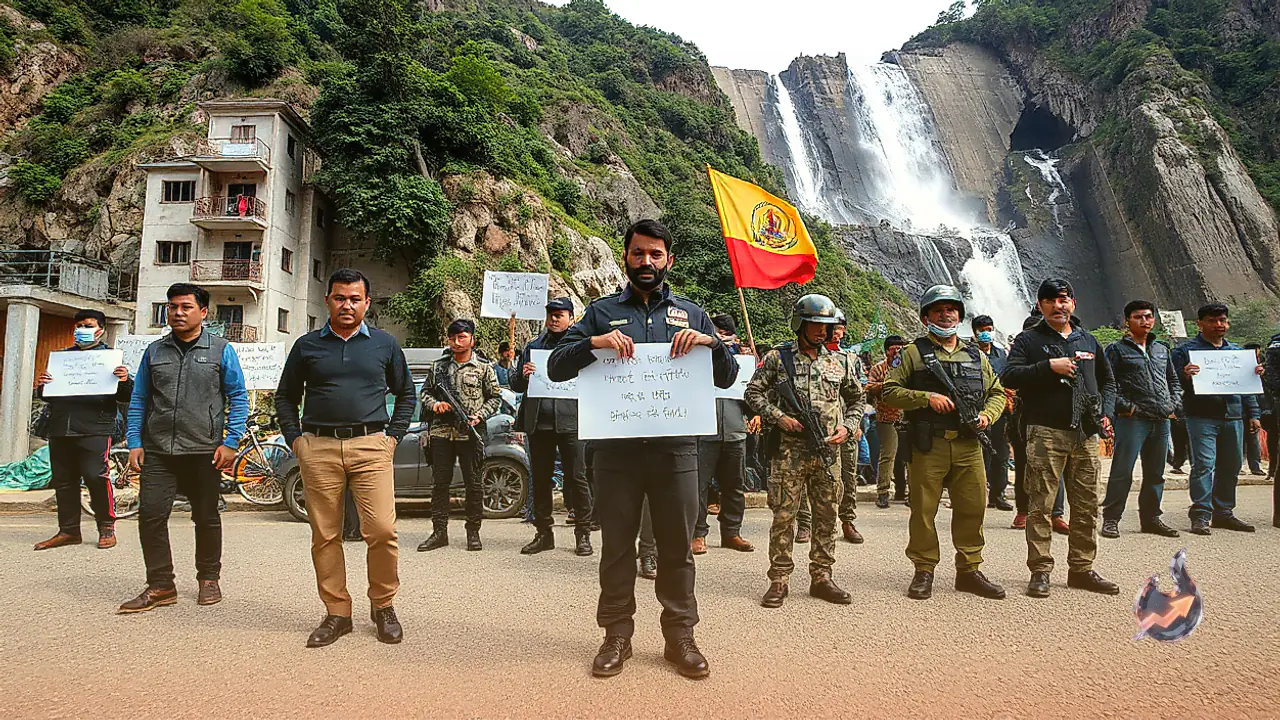

Tensions surrounding the proposed 11,200-MW Siang Upper Multipurpose Project (SUMP) in Arunachal Pradesh have escalated sharply. A total shutdown has been announced for November 2 across three key districts, Siang, Upper Siang, and East Siang. Organized to protest the recent arrests of demonstrators opposing the massive hydropower development, the action marks a significant intensification of regional pushback against central security deployment and project surveys.
Emergency Session Mobilizes Village Representatives
The strike call was finalized during an urgent executive gathering organized on October 29 by the SUMP Affected Area Youth Association (SAAYA). Village delegates from localities directly impacted by the planned infrastructure attended the discussions. SAAYA confirmed that the resolution to stage the tri-district shutdown was adopted unanimously, operating in formal collaboration with the Siang Indigenous Farmer Forum (SIFF), nearby youth associations, civic bodies, and resident forums. The collective specifically opposes ongoing central armed police force deployments alongside what residents describe as coercive surveying activities.
Defending Ancestral Heritage and the Siang River
Seeking broad solidarity, SAAYA dispatched formal correspondence to the president of the Bogum Bokang Welfare Society (BBWS), an influential organization representing the Bogum Bokang-Tuting territory. The youth association urged BBWS to endorse the civic action while helping guide the campaign along strictly peaceful, democratic channels. Demonstrators maintain that the official crackdown attempts to silence indigenous populations defending their natural resources. SAAYA framed the ongoing struggle as a crucial effort to safeguard tribal identity, community heritage, the Siang River, and prospective generations of the indigenous Adi people.
Scale of the Proposed 11,200-MW Undertaking
Engineered along the Siang River, the 11,200-MW installation ranks among the largest hydroelectric ventures conceived nationwide. Despite official projections emphasizing energy security, substantial segments of the indigenous Adi population inhabiting upstream and downstream catchment zones have voiced steadfast resistance spanning several years, citing deep-seated cultural and territorial displacement concerns.