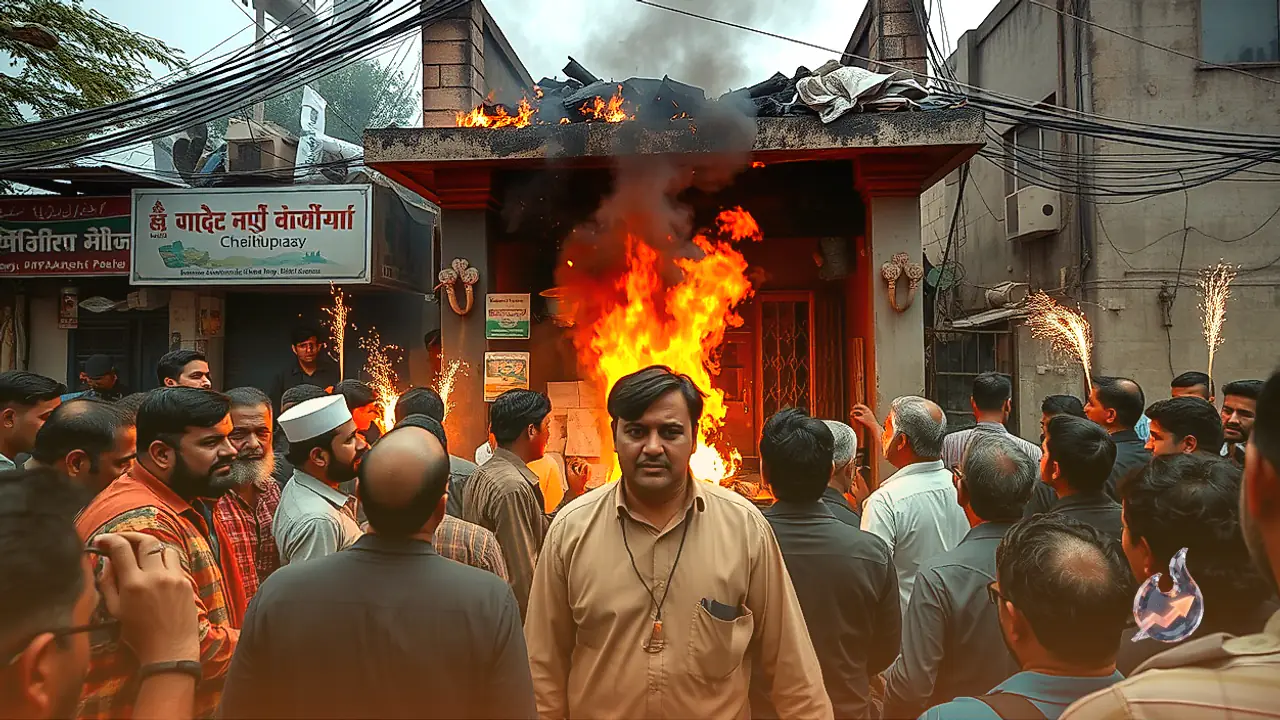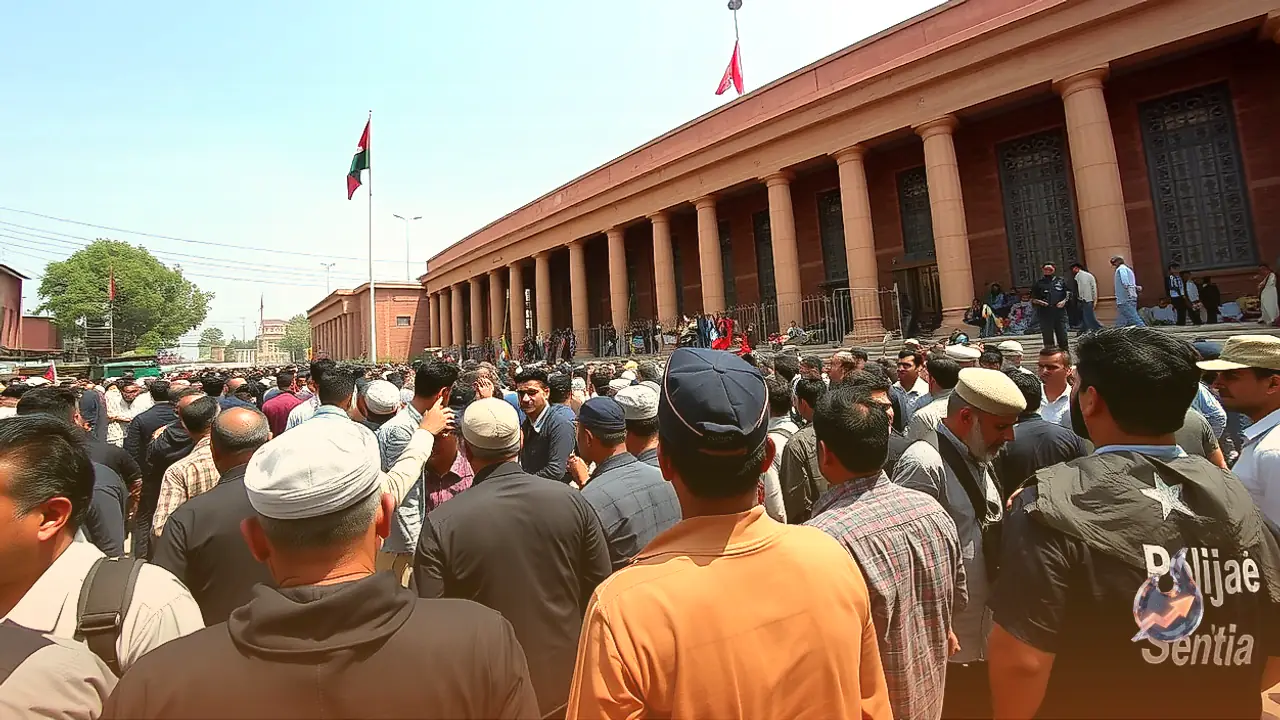



















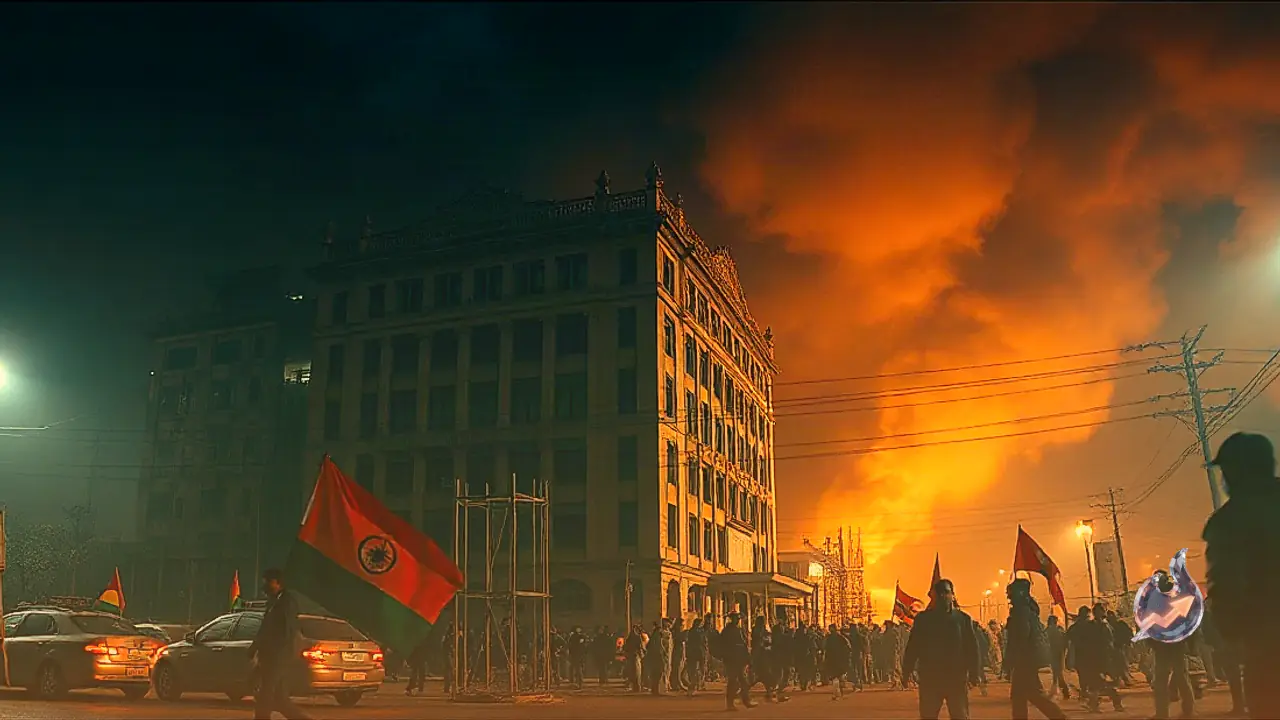

The civil unrest that has gripped Pakistan-occupied Kashmir for the past 71 days has escalated into a direct and dangerous confrontation between the local population and state authorities. Thousands of citizens continue to hold massive demonstrations across the region despite a severe security crackdown. Military firing has reportedly resulted in the deaths of over 100 innocent civilians, yet the local population refuses to back down. The Joint Awami Action Committee, which is steering the agitation, has declared that if Prime Minister Shehbaz Sharif and Army Chief Asim Munir choose to communicate through military force, the people of Kashmir will respond in kind. The committee emphasized that citizens are prepared to counter bullets with bullets to defend their fundamental rights.
Civil Disobedience Campaign and Direct Warnings to Military Forces
Escalating its protest strategy, the Joint Awami Action Committee has called for a comprehensive civil disobedience movement against the Pakistani administration. Protesters have officially announced a total boycott of state taxation and electricity bill payments across the territory. Additionally, residents are boycotting state-run educational institutions and government offices. Issuing a stern warning to General Asim Munir and military commanders, the leadership stated that if armed forces continue to fire upon peaceful civilians, retaliatory actions will ensure that military casualties follow. Local representatives asserted that Kashmiris are fully capable of resisting state oppression and will no longer endure violence passively.
Outrage Over Judicial Silence and International Neglect
Protesters expressed deep anger over what they describe as systematic state oppression carried out by the Shehbaz Sharif administration through military intervention. Community leaders highlighted that military action has resulted in the tragic loss of innocent lives, including young children and women. Local residents voiced profound frustration over the perceived indifference of Pakistan's judicial system, claiming that domestic courts have completely ignored their suffering. Furthermore, agitators criticized international bodies, including the United Nations, for failing to intervene or champion the human rights of the region's inhabitants. Deprived of institutional remedies and international support, the local population has resolved to fight for its rights independently.
Widespread Regional Instability Threatening National Cohesion
The turmoil in Pakistan-occupied Kashmir is part of a broader wave of internal instability fracturing the nation. In Balochistan, a long-standing armed insurgency continues, with separatist groups declaring their territory an independent nation. Similarly, in Khyber Pakhtunkhwa, local populations have taken up arms against state policies, while Sindh experiences widespread civil disruption and political unrest. With citizens in Pakistan-occupied Kashmir now adopting an aggressive posture against military personnel, the overall stability of the country faces an unprecedented challenge. Security analysts note that these simultaneous uprisings across multiple provinces raise serious questions about the long-term territorial integrity of Pakistan.
Persistence of Colonial Mindset and Independence Day Address
While the country grapples with internal conflict and widespread rebellion, critics point out that Pakistan's political leadership remains caught in patterns of external reliance even 79 years after independence. During official celebrations marking the 79th anniversary of independence, Prime Minister Shehbaz Sharif focused significant attention on foreign diplomacy. In his address, Shehbaz Sharif publicly praised US President Donald Trump, expressing gratitude for his mediation in brokering a ceasefire between India and Pakistan the previous year. Sharif stated that the ceasefire had saved hundreds of thousands of lives and expressed confidence that bilateral strategic and economic ties between the United States and Pakistan would strengthen further in the coming years.