

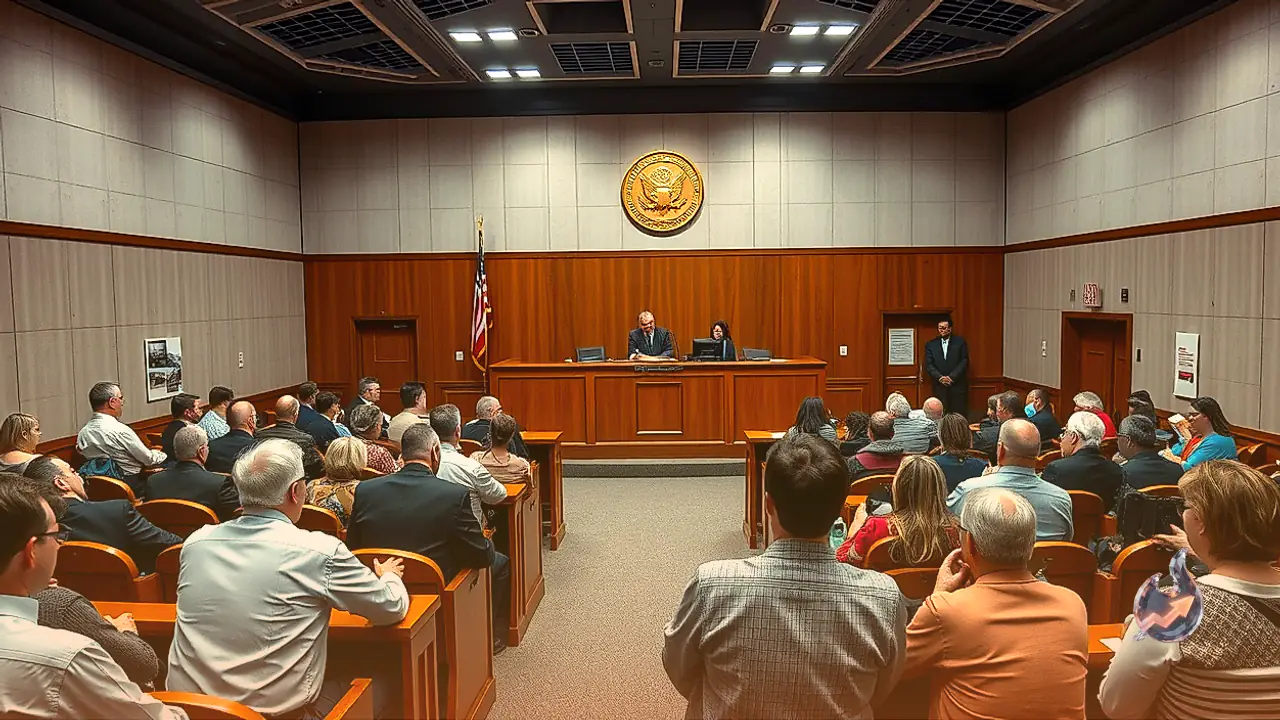
















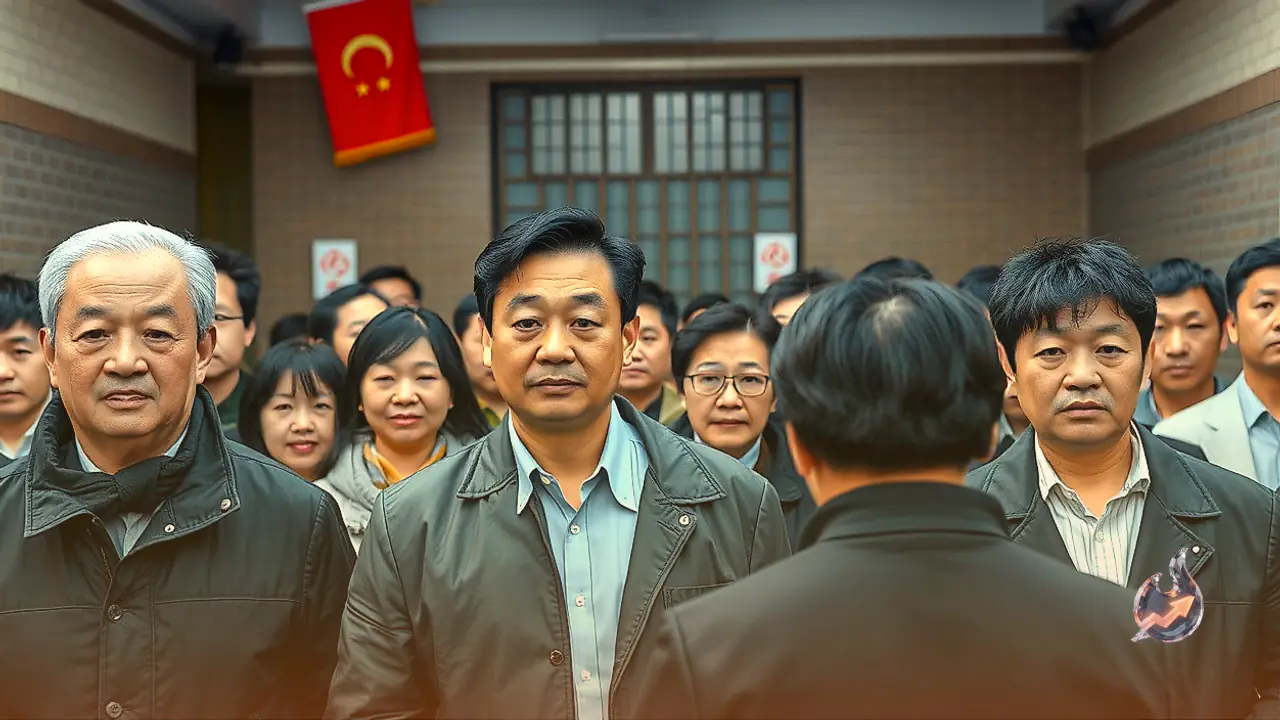

A Chinese court has sentenced Zhou Xianwang, the former mayor of Wuhan who gained global prominence during the initial spread of the coronavirus, to 14 years in prison after convicting him on extensive bribery charges. Delivering the verdict on Saturday, the court also imposed a personal financial penalty of 5 million yuan, roughly equivalent to 7 crore rupees. Zhou became a familiar figure around the world roughly 7 years ago when Wuhan, located in central China, emerged as the focal point of the global viral outbreak. The court judgment, however, made no reference to his handling of the public health emergency or local administration during those critical early months, focusing solely on his illicit financial dealings spanning more than two decades.
Over 60.5 Million Yuan in Bribes Amassed Between 2003 and 2025
Findings issued by the Shangqiu Intermediate People's Court revealed that Zhou systematically exploited his bureaucratic standing across a succession of government positions between 2003 and 2025. Prosecutors established that he leveraged his administrative authority to secure commercial benefits, business clearances, and various government approvals for outside parties. In exchange for these favors, Zhou took in cash payments, valuable assets, and luxury items worth over 6.05 million yuan, an amount exceeding 85 crore rupees. In its ruling, the judicial panel underscored that the overall volume of illegal payments accepted by the former official was extraordinarily massive.
Leniency Granted Following Formal Confession and Asset Recovery
The court noted that certain mitigating factors were taken into account when calculating Zhou's final sentence. He fully admitted to his criminal acts during the proceedings and offered cooperation to investigators throughout the inquiry. Furthermore, law enforcement authorities succeeded in tracing and confiscating the bulk of the illicit funds and material assets obtained through the bribery schemes. Considering his confession, active cooperation, and the recovery of the unlawful gains, the bench decided to extend legal leniency. Despite that reprieve, the scale of his misconduct resulted in a mandatory 14-year term of imprisonment alongside the 5 million yuan fine.
Xi Jinping's Sustained Anti-Corruption Drive Across Chinese Governance
The punitive ruling against Zhou fits into the broader anti-graft enforcement spearheaded by President Xi Jinping, which has remained a defining pillar of domestic governance in China. Since assuming power in 2012, Xi's administration has penalized thousands of public officials across all tiers of the state apparatus. This sweeping crackdown has consistently targeted entrenched bureaucrats, influential power brokers, and prominent political rivals within the governing system. Zhou's conviction demonstrates the persistent reach of state inspection bodies into past commercial and administrative dealings of former municipal leaders.
Scrutiny Over Initial Outbreak Management and Public Disclosures in Wuhan
Zhou faced intense domestic and international scrutiny for his stewardship of Wuhan in the opening chapter of the respiratory pandemic. As the administrative head of the central Chinese metropolis where the virus first surged, his municipal team drew heavy criticism for withholding critical facts regarding the scale and transmission of the contagion. Addressing the widespread backlash at the time, Zhou maintained that regional authorities lacked the statutory power to make independent public announcements about infectious diseases without prior authorization from central government leaders.
Timeline of the Emerging Crisis and the 76-Day Municipal Lockdown
Clinical facilities across Wuhan began receiving individuals displaying acute flu-like symptoms, including high fevers, relentless coughing, and respiratory distress, in December 2019. Shortly afterward, a specialized Chinese laboratory succeeded in assembling nearly the entire genetic sequence of the pathogen, discovering striking biological similarities to the coronavirus responsible for the 2002-03 SARS epidemic. While the research team alerted senior health administrators to these critical findings, the diagnostic data was kept out of public view.
By mid-January 2020, Chinese health officials acknowledged during an internal session that clustered transmission clusters indicated human-to-human spread was occurring, prompting directives to organize emergency containment preparations. Public messaging during that same interval, however, continued to downplay the contagion's severity and communicative potential. With patient numbers escalating rapidly, Chinese authorities imposed an unprecedented total lockdown on Wuhan on January 23, 2020. The sweeping quarantine sealed the city for 76 days, imposing strict movement curbs on millions of residents. While historical questions surrounding that period persist, Zhou's fate has now been sealed by an unrelated, long-running corruption inquiry.