























The International Atomic Energy Agency (IAEA) has concluded its first International Physical Protection Advisory Service (IPPAS) mission in Pakistan. Conducted from September 28 to October 9 at the request of the Pakistani government, the 12-day mission determined that the country has established a robust nuclear security regime to safeguard nuclear materials and facilities.
Comprehensive Review of Legal and Regulatory Frameworks
Hosted by the Pakistan Nuclear Regulatory Authority (PNRA), the mission reviewed Pakistan's legislative and regulatory foundations governing nuclear security, alongside evaluating on-site physical protection arrangements at an active nuclear installation. According to an official statement by the IAEA, the assessment team observed that the nation has instituted a strong physical protection system that is being properly executed across the inspected facilities.
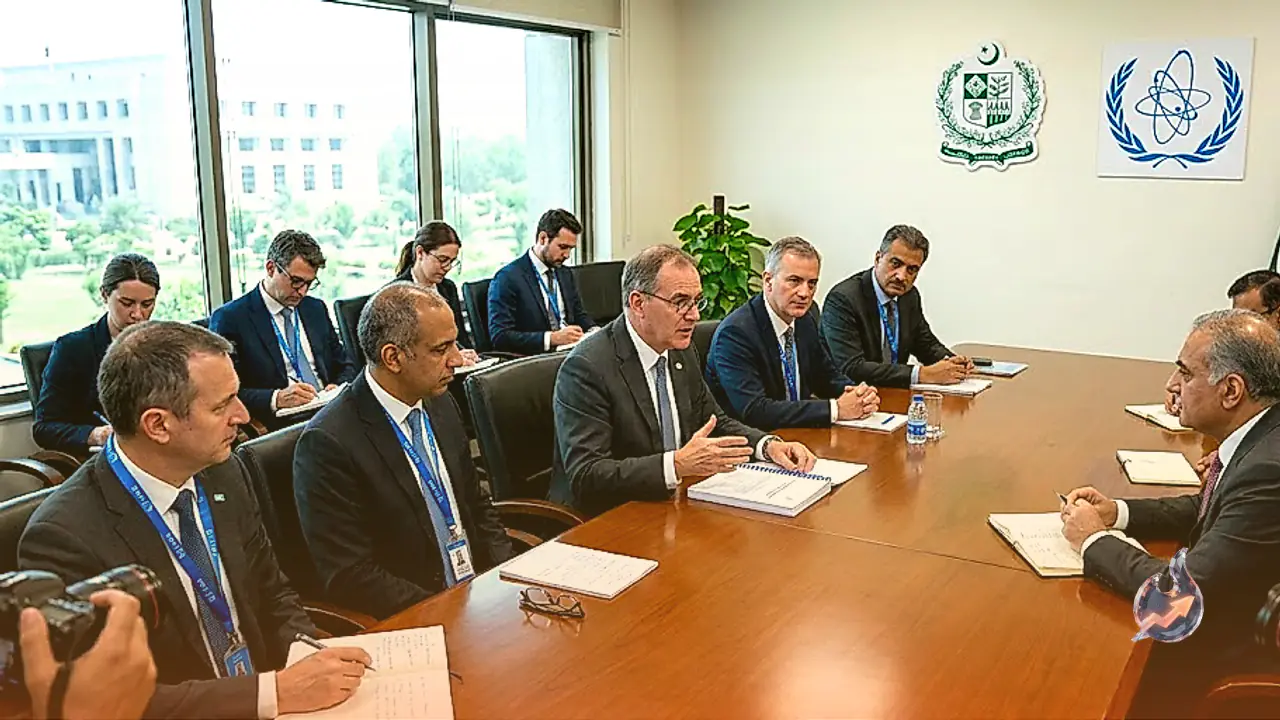
The agency noted that regular assessments contribute to continuous enhancements across the system, while Pakistan's capacity-building infrastructure supports nuclear security expertise nationally, regionally, and internationally. Throughout the visit, the international delegates held extensive consultations with officials from the PNRA, the Pakistan Atomic Energy Commission, and other relevant stakeholders.
Inspection of Karachi Decommissioning Facility
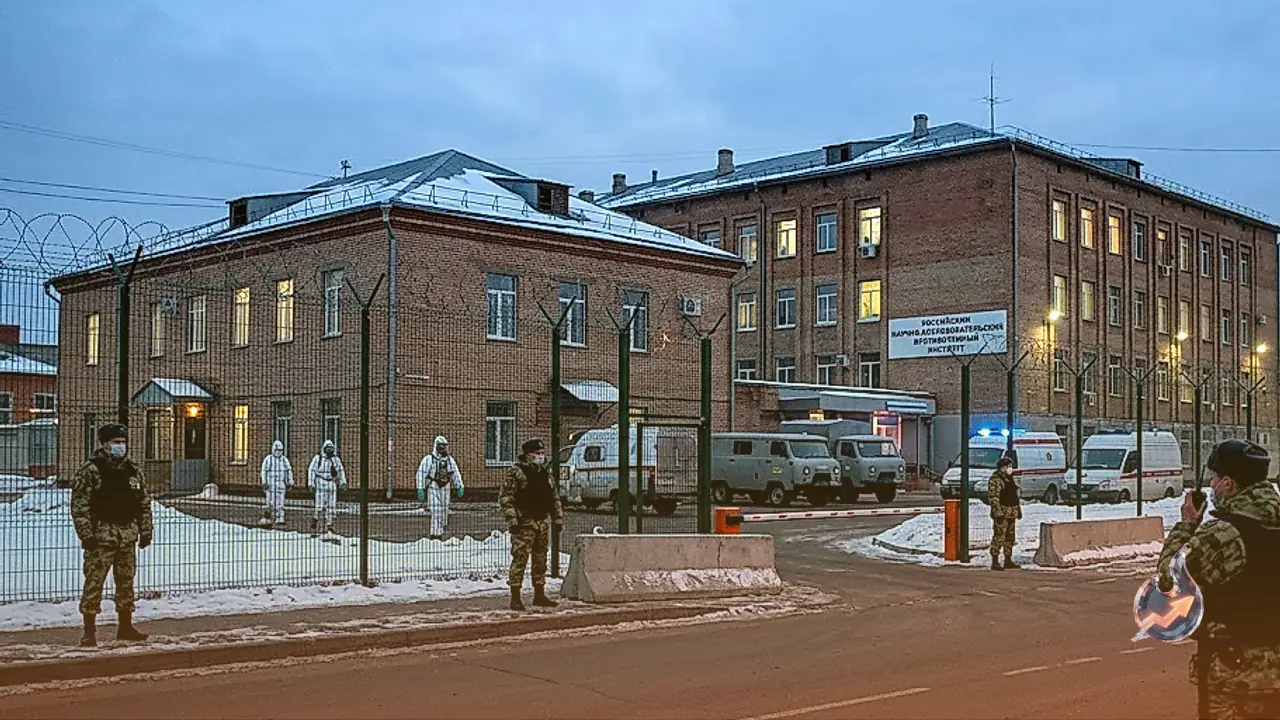
The visiting team conducted an on-site evaluation of the KANUPP decommissioning project situated at the Karachi Nuclear Power Generating Station. As Pakistan's inaugural nuclear energy facility utilizing a Canadian Deuterium Uranium (CANDU) reactor, the plant originally commenced operations in 1971 before being permanently shut down in 2021.
International experts inspected ongoing decommissioning operations as well as safety and security protocols surrounding spent-fuel storage at the site. The mission was led by Khammar Mrabit, former Director General of the Moroccan Agency for Nuclear and Radiological Safety and Security. The team comprised technical specialists from China, Romania, Russia, and Slovakia, along with two staff members from the IAEA.
Recommendations and Global Compliance Standards
Following the review, the advisory team provided concrete recommendations and guidance aimed at further reinforcing Pakistan's nuclear security framework and operational procedures, while also identifying several commendable practices at both regulatory and facility tiers. IAEA Deputy Director General Aline Herviou stated that the successful completion of this maiden IPPAS mission highlights the country's dedication to refining the regulatory and operational dimensions of its established nuclear security architecture.
PNRA Chairman Zia Hussain Shah noted that hosting the advisory team reflects a clear commitment to maintaining stringent nuclear safety and security benchmarks. He added that the findings offer a valuable baseline to further consolidate legislative provisions and facility-level operational practices. Established in 1995, this initiative marked the 112th IPPAS mission carried out globally by the IAEA. Pakistan is a state party to the Convention on the Physical Protection of Nuclear Material and formally ratified its 2005 amendment in 2016.