



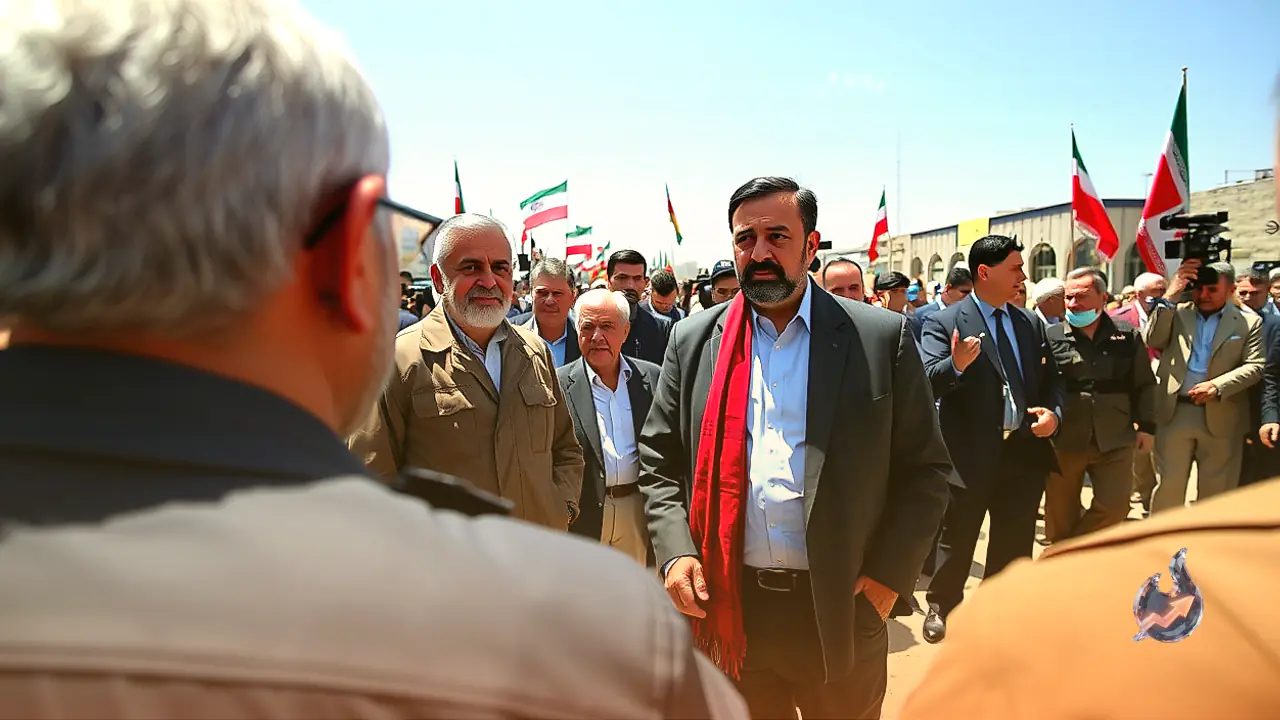


















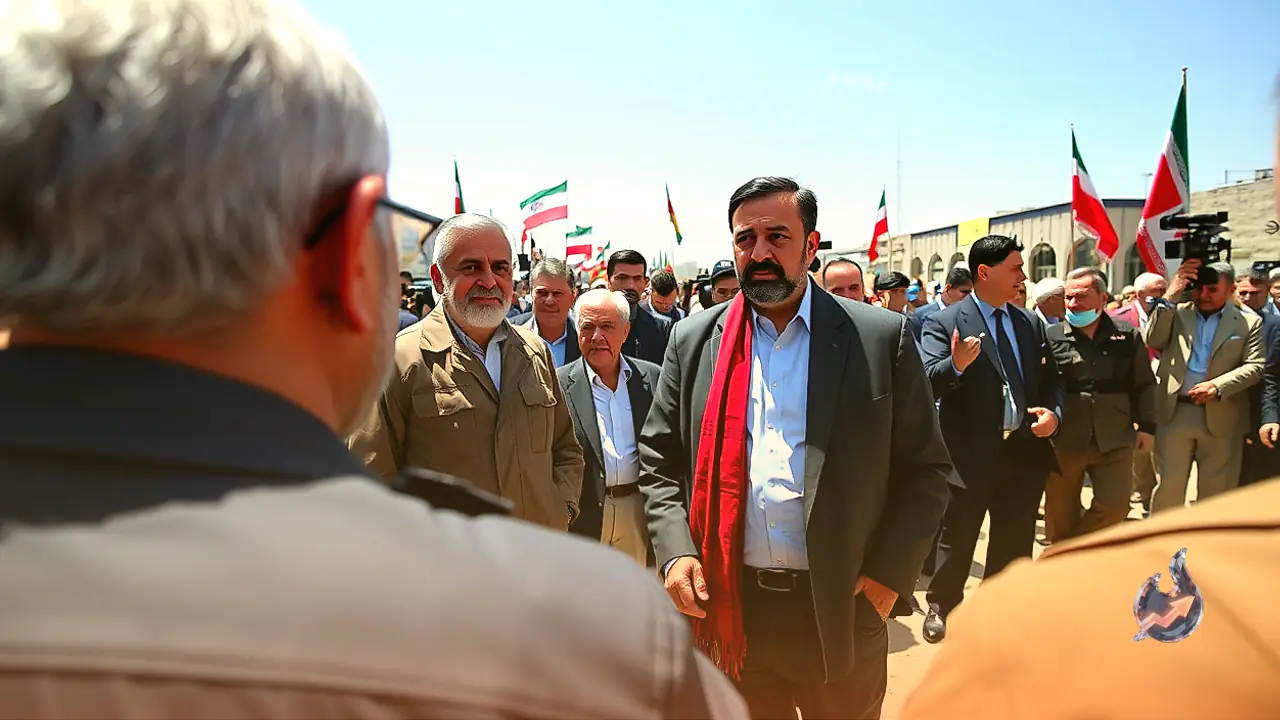

Amid escalating tensions across the Middle East, Iran's Deputy Foreign Minister Saeed Khatibzadeh has outlined the strict conditions required for bringing an end to the ongoing hostilities. In a clear message, he asserted that genuine regional stability cannot be achieved unless military actions are halted universally, warning that as long as conflict persists in even a single corner, the entire region will remain engulfed in war.
Commitment to Ending the Lebanon Conflict
According to reports from Iran's state news agency IRNA, which cited Lebanon's Al Mayadeen TV network, Khatibzadeh emphasized that Tehran remains fully dedicated to halting the Israeli military campaigns targeting Lebanon. He noted that this objective was a central component of the Islamabad Memorandum of Understanding signed between the United States and Iran in mid-June of this year.
High-Level Meetings in Beirut
To pursue diplomatic efforts, the Iranian official travelled to the Lebanese capital of Beirut last Wednesday. During his visit, Khatibzadeh engaged with local leaders to bridge gaps between the concerned parties. He confirmed that his itinerary included formal meetings with Parliament Speaker Nabih Berri, Lebanese Prime Minister Najib Mikati, and representatives of the foreign ministry, describing these discussions as constructive.
Demanding an End to Hostilities in the Levant
Khatibzadeh stressed that Israel must stop its military actions in both Lebanon and the Levant region, pointing out the interconnected nature of events unfolding across these territories. He reiterated that a primary objective for Iran is the total cessation of hostilities everywhere, arguing that ongoing fighting on any single front implies that the broader conflict remains active.
Accusations of Agreement Violations
Accusing the United States and Israel of breaching the Islamabad MoU through their continued attacks on Iran and Lebanon, Khatibzadeh defended Tehran's diplomatic outreach. This diplomatic friction follows incidents such as a US fighter jet strike on a cargo ship in the Gulf of Oman amid maritime blockades.