





















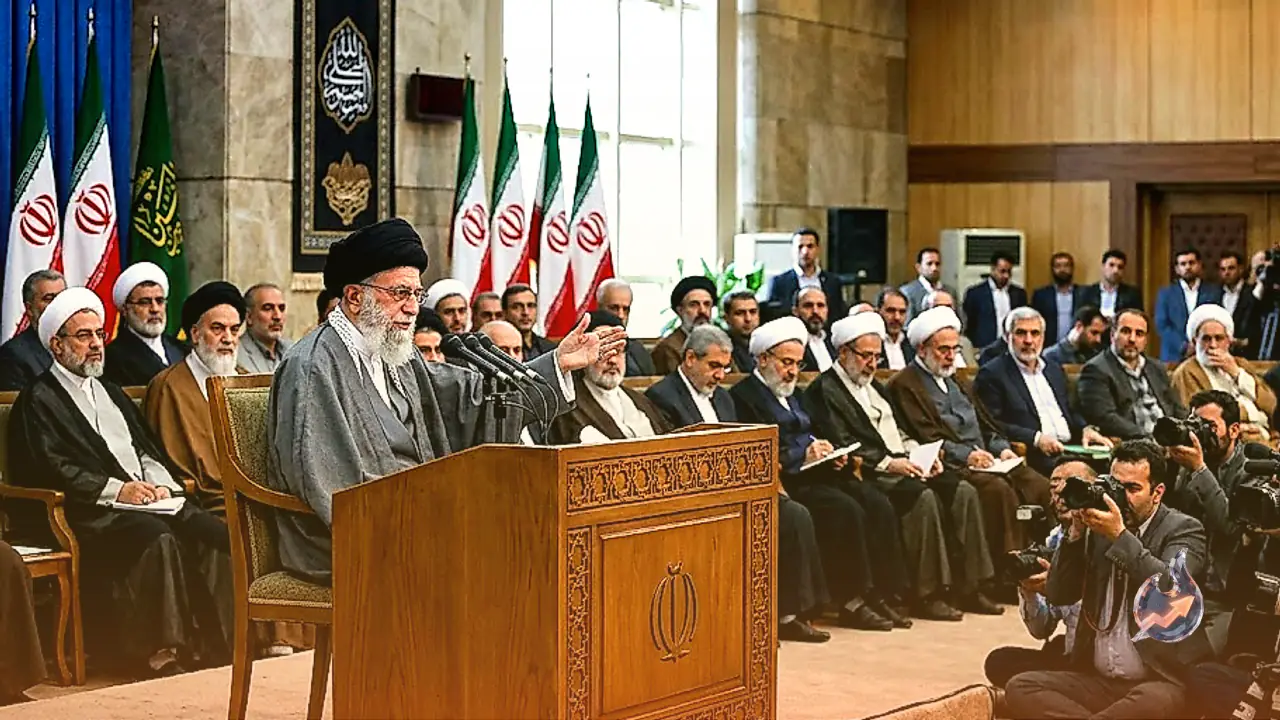

Amid the ongoing military confrontation between Iran and Israel, Iranian Supreme Leader Ayatollah Mojtaba Khamenei has formally appealed to Muslim nations to forge a united front and counter the actions of the United States and Israel. He urged leaders across the Islamic world to recognize their primary adversary, understand its strategic objectives, and mount a collective resistance.
According to the official Iranian news agency IRNA, Ayatollah Mojtaba Khamenei conveyed this message through a letter addressed to participants of a religious conference held in Tehran, explicitly labeling Washington and Tel Aviv as adversaries of all Islamic societies. This public intervention follows a devastating military strike approximately six months ago that claimed the lives of his father and several high-ranking Iranian officials, after which Ayatollah Mojtaba Khamenei has maintained a largely secluded public profile.
Heightened Geopolitical Tensions Across the Gulf Region
The call from Ayatollah Mojtaba Khamenei arrives at a volatile moment when the friction between Iran and the US-Israeli coalition is rippling across the entire Middle East. Regional anxiety has intensified sharply following Iranian maneuvers targeting American military installations stationed in neighboring Gulf Arab states, alongside restrictions imposed on commercial and military shipping lanes moving through the vital Strait of Hormuz.
Military Engagements Near the Strait of Hormuz and Retaliatory Strikes
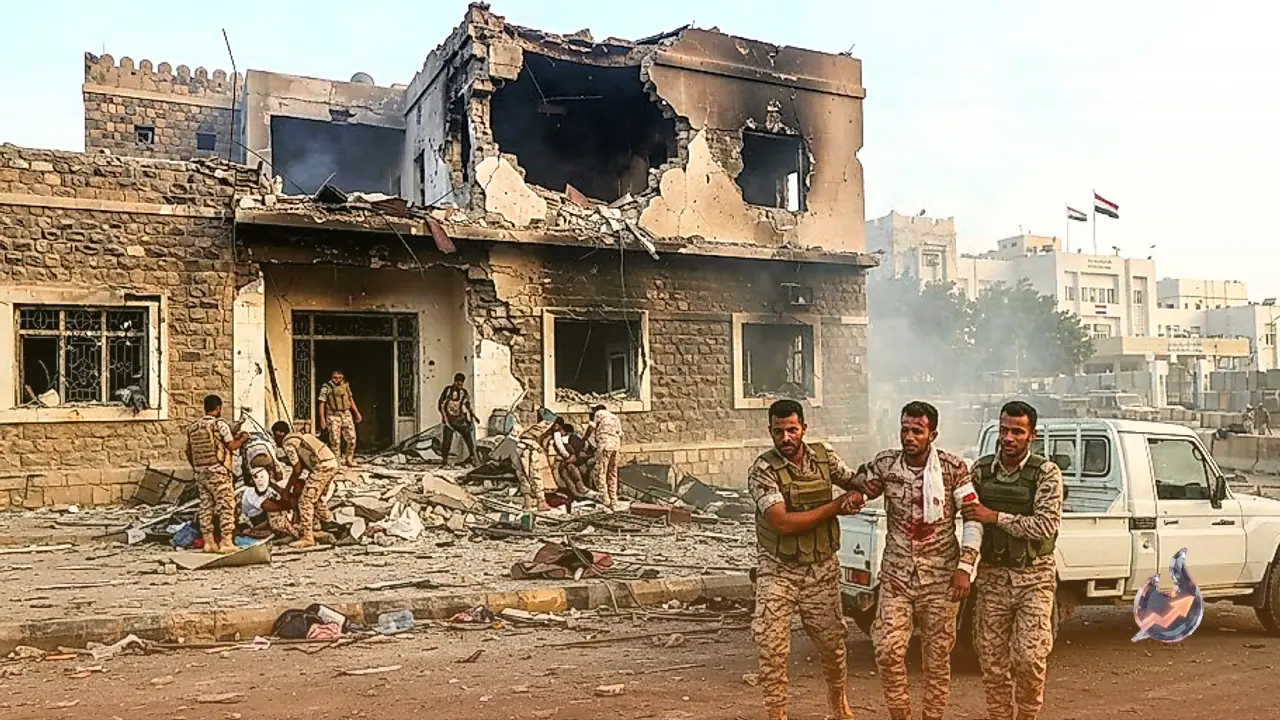
The United States military engaged Iranian rocket launchers in the Strait of Hormuz on Sunday, marking the first publicly acknowledged military action by American forces against Iranian assets in roughly a month. Describing the operation as limited and precise, US officials stated that the engagement specifically targeted Iranian naval units responsible for laying naval mines. Meanwhile, Iran asserted that it retaliated against the American actions by launching missile strikes targeting US installations in Jordan.
Jordanian military authorities reported that early Monday morning, air defense batteries successfully intercepted eight incoming missiles that had penetrated the nation's airspace. Iranian state media broadcasted footage showing the launch sequence of ballistic missiles, framing the operation as a direct response to the prior American bombardment. Local media outlets near the Strait of Hormuz reported hearing intense explosions in the vicinity of Larak Island, while the Iranian Revolutionary Guard Corps formally reported casualties and injuries among both military personnel and civilians.