




















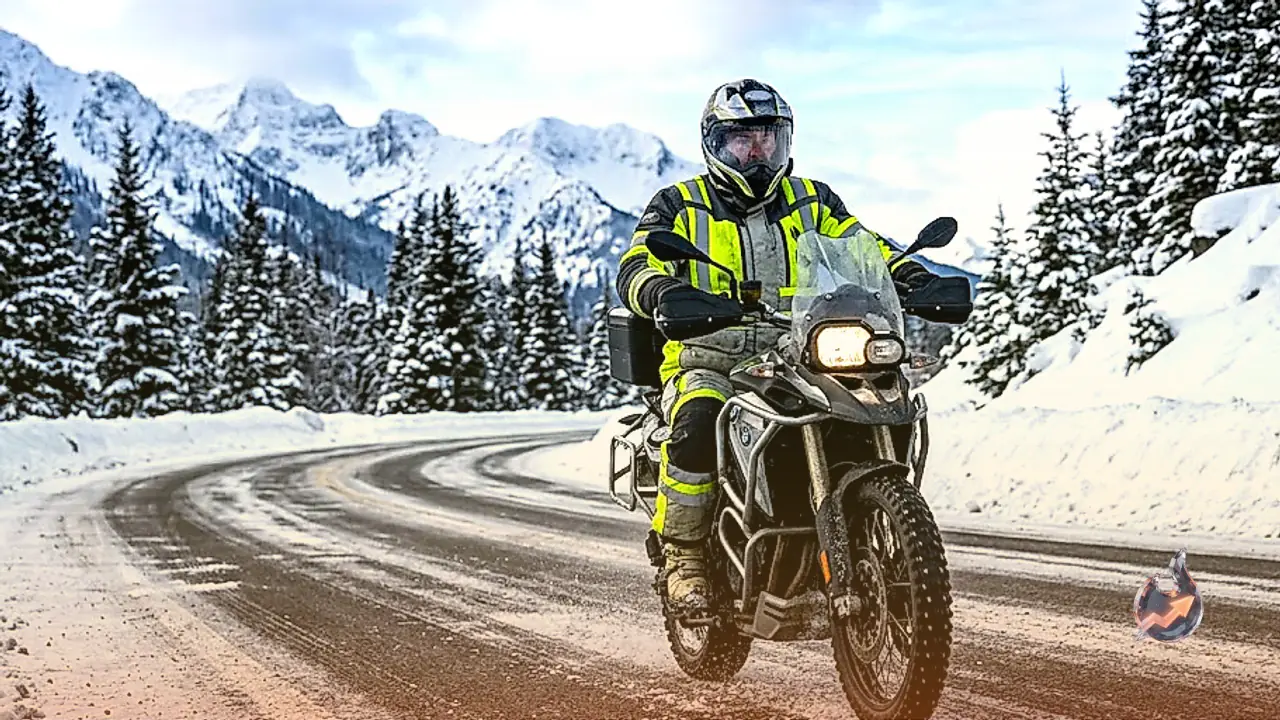

Operating a motorcycle across snow-covered tarmac presents extreme challenges that far exceed routine road hazards. Frozen surfaces strip away traction, drastically lengthen stopping distances, and elevate the danger of a sudden slide. At the same time, severe cold can cause fingers and limbs to go numb, sharply slowing down reaction speeds when quick evasive action is needed. When winter weather deteriorates, postponing the trip altogether remains the wisest choice. However, whenever travel is absolutely unavoidable, adopting disciplined riding habits, mounting suitable equipment, and preparing thoroughly can substantially cut down the likelihood of severe mishaps.
Selecting Specialized Rubber and Adjusting Pressure
Traction forms the bedrock of stability on frozen terrain, making tire selection decisive. Standard road tires lose grip rapidly on slick surfaces, requiring riders to switch to dedicated winter rubber or knobby treads designed to bite into packed snow. Dropping the inflation level slightly below standard specification helps expand the contact patch between rubber and asphalt, delivering marginally better grip. Riders should systematically inspect tire condition before departing, ensuring worn-out or bald tires never touch frozen surfaces, as dependable tread depth is critical to maintaining directional control.
Slashing Cruising Velocity and Balancing the Controls
Excessive momentum on frozen asphalt frequently produces catastrophic spills. A safe standard is maintaining no more than half of normal road speed, giving the operator sufficient runway to respond to unseen obstacles. Abrupt throttle applications must be avoided entirely, while braking inputs should remain gradual and measured. Applying front and rear brakes in tandem ensures uniform deceleration without locking up either wheel. When cornering, leaning the chassis into the turn increases slip angles; keeping the machine upright through slow, calculated maneuvering delivers the predictability needed to remain upright.
Layering Cold-Weather Apparel and Protective Armor
Safeguarding against numbing chill demands a structured layering strategy. Riders should start with thermal base layers, add insulating mid-layers, and top everything off with a windproof and waterproof outer jacket. Insulated gauntlet gloves and sturdy winter boots are indispensable for keeping operational limbs warm and responsive. To ensure an uncompromised line of sight, the helmet visor must stay clear of grime and be treated with anti-fog solution. Wearing brightly colored or reflective garments also ensures approaching motorists can spot the two-wheeler well in advance through whiteout or foggy conditions.
Spotting Black Ice Hazards and Scanning Roadways
Among winter road threats, black ice is notoriously dangerous because its transparent nature conceals slick sheets under the appearance of dry pavement. Bridges, overpasses, shaded mountain cuttings, and intersections freeze first and deserve extreme caution. Loose snow drifts and concealed potholes also destabilize balance instantly. Motorcyclists need to actively sweep the roadway ahead, identifying low-friction patches early while keeping an expanded buffer zone from other vehicles to account for unexpected slides.
Pre-Departure Planning and Emergency Contingencies
No winter journey should begin without checking regional weather updates and route warnings. Survival essentials should always ride along, including a fully charged mobile handset, a portable power bank, basic mechanical tools, and spare warm clothing. Keeping family members or friends informed about route itineraries and checkpoints ensures help can be dispatched if travel stalls. Should atmospheric conditions worsen drastically along the way, pulling over at a safe shelter is far smarter than pushing through dangerous blizzards.