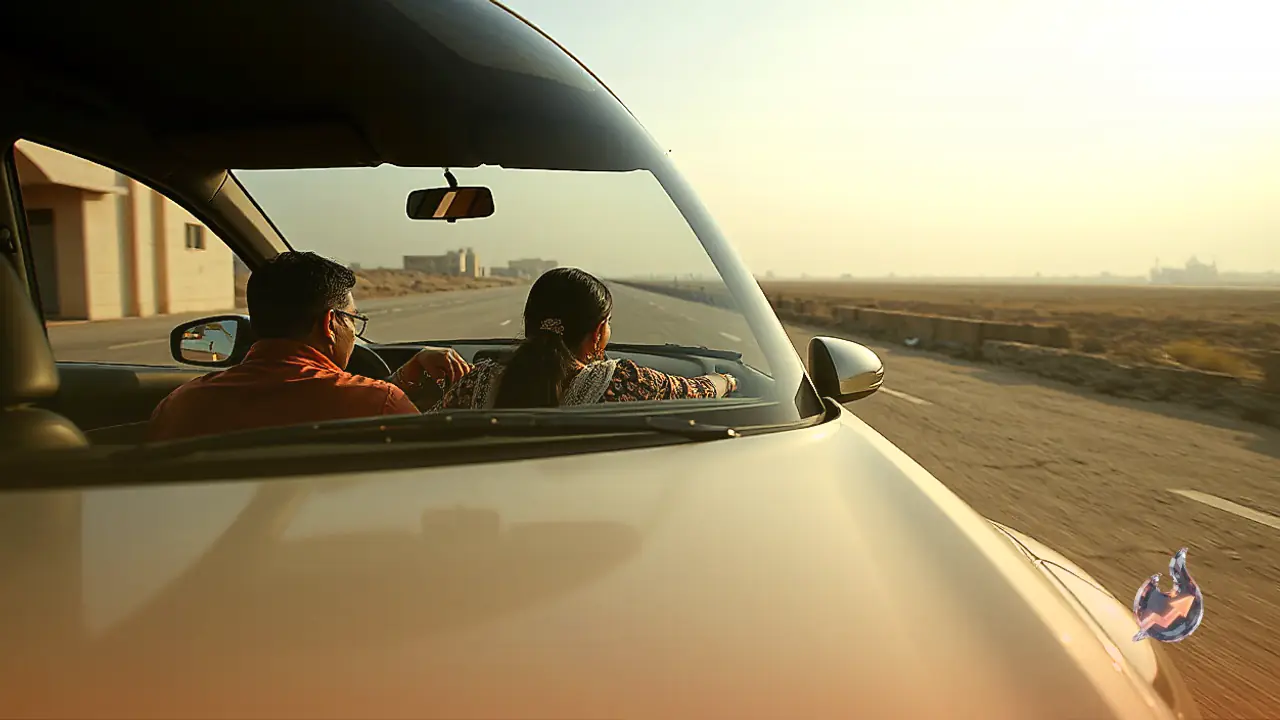



















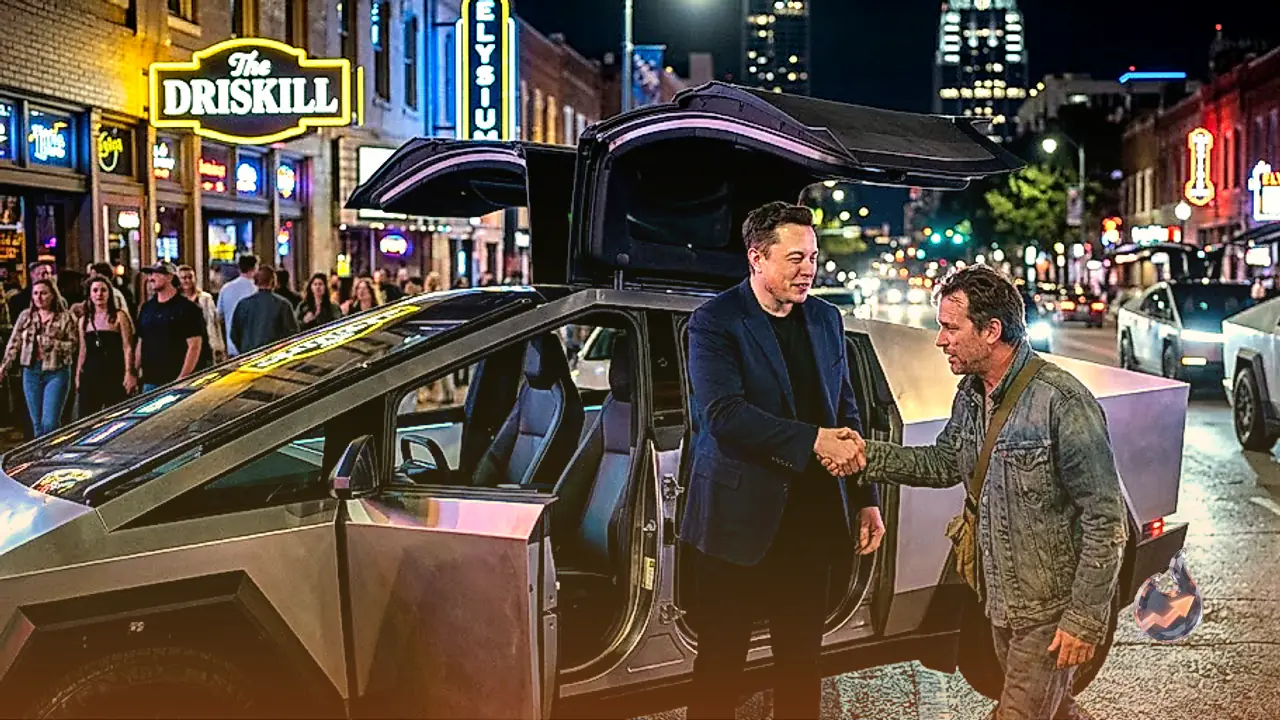

For people who have been drinking at a social gathering, getting home safely is often as difficult as winning a battle. Many individuals are forced to hire a designated driver or book an expensive taxi, knowing that driving under the influence puts lives at risk and invites heavy traffic fines. Additionally, using traditional taxis can pose serious safety challenges for women travelling alone at night. To address these widespread concerns, autonomous vehicles from Tesla, led by billionaire Elon Musk, are being positioned as a potential solution to these commuting hurdles.
Tesla has made a massive bet on the autonomous driving market by deploying dozens of Cybercabs on the public streets of Austin, Texas. Notably, these futuristic vehicles feature neither a steering wheel nor a brake pedal. This radical design means that passengers will have no direct, manual way to steer or stop the car themselves if an emergency arises during transit. Tesla intends to expand this autonomous taxi service to additional cities in the future, though winning consumer trust remains a massive hurdle alongside technological execution.
The Design of Tesla's Pedal-Free Cybercabs
These vehicles, widely referred to as Cybercabs and robotaxis, are designed to transport passengers from one location to another entirely without a human driver. Occupants can spend their travel time conversing without worrying about operating the vehicle. Intoxicated individuals could theoretically use these cabs to get home without the anxiety of safety risks or legal fines. However, convincing the public that the technology is secure on everyday roads is a steep hill to climb.
Before rolling out the Cybercab fleet, Tesla posted on the social media platform X, stating, "No steering wheel, no pedals." This clear messaging confirmed that passengers inside the cabin will lack any manual override controls in critical situations. While it remains unclear how quickly Musk plans to scale this service to other metropolitan areas, the company faces mounting market pressure to accelerate its autonomous vehicle deployment.
Financial Pressures and Market Response
The launch of the Cybercab arrives amid falling vehicle sales that had previously placed downward pressure on Tesla's stock. Following the robotaxi unveiling, however, company shares rose by more than 5 percent. Investors are hopeful that autonomous driving and robotaxis can inject new momentum into Tesla's business model. Musk has long championed self-driving capability as a cornerstone of the company's future, shifting the business vision from merely selling cars to operating a network where autonomous vehicles transport passengers and generate ongoing revenue.
In the competitive robotaxi landscape, Tesla currently lags far behind established rivals like Waymo in terms of total vehicle count and completed rides. To bridge this gap, Tesla must convincingly demonstrate that its autonomous software can navigate real-world roadways safely. Dealing with unpredictable pedestrians, cyclists, and sudden road hazards remains a demanding test for the company's underlying engineering.
Camera-Based Vision Versus LiDAR Sensors
A major technical differentiator for Tesla is its reliance primarily on a camera-based vision system. In contrast, competing autonomous developers like Waymo and Amazon's Zoox incorporate a combination of cameras, radar, and LiDAR sensors. LiDAR technology utilizes laser pulses to map surrounding objects and measure precise distances in real time. Because Tesla foregoes LiDAR, it must continually prove the reliability and safety of its camera-only approach to regulators and consumers alike.
Beyond the software capabilities, Tesla faces a significant psychological barrier among consumers. A large portion of the American public remains hesitant to ride in a driverless vehicle. A survey conducted by the Pew Research Center found that roughly 7 out of 10 American adults feel either not too comfortable or not at all comfortable riding in a self-driving car. Musk must therefore convince skeptical riders that a vehicle lacking physical steering and braking controls can make safer split-second decisions than a human driver.