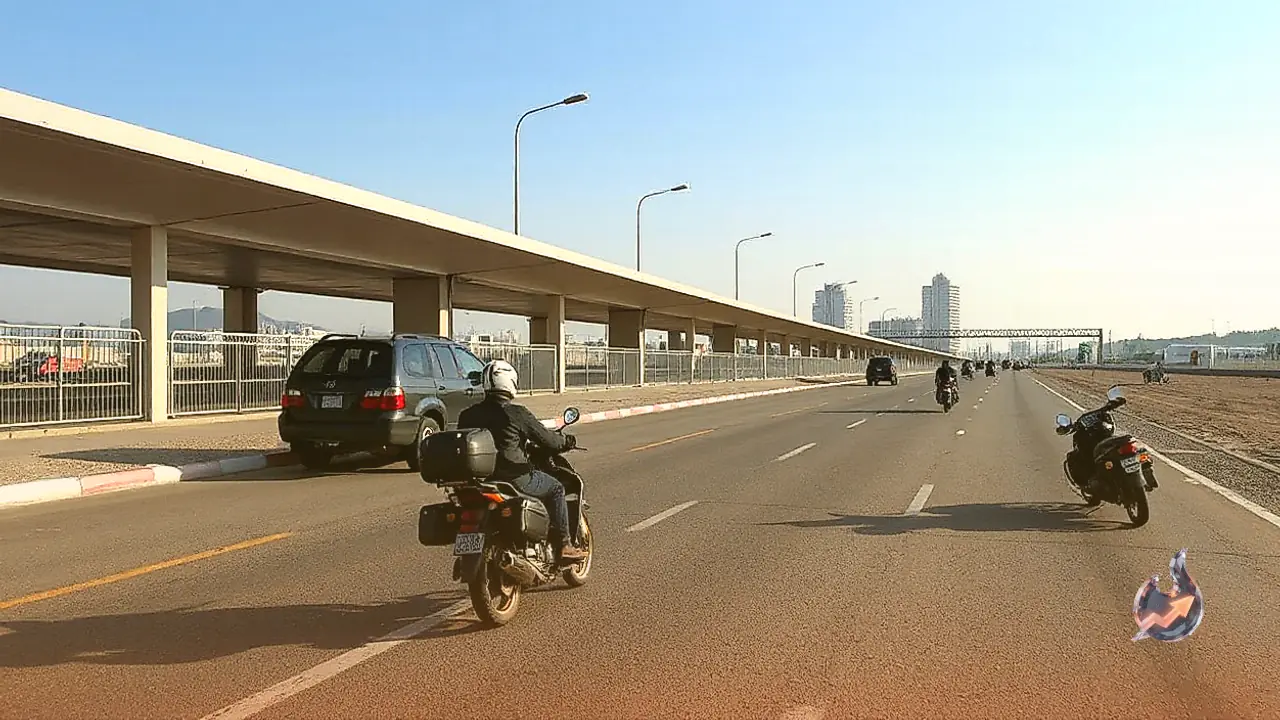
















In a major initiative to enhance night driving safety and reduce road fatalities, the Ministry of Road Transport and Highways has proposed strict new regulations governing vehicle headlamps. Under the draft notification, all new two-wheelers will be mandated to operate their Automatic Headlamp On (AHO) systems exclusively in passing beam, or low-beam mode. Scheduled to take effect from April 1, 2028, these measures target the blinding glare caused by high beams, which frequently dazzles oncoming drivers and triggers severe crashes across highways and city streets.
Low-Beam Mandate for Automatic Two-Wheeler Headlamps
The proposed safety regulations specify that any two-wheeler manufactured on or after April 1, 2028, equipped with an Automatic Headlamp On (AHO) feature must operate solely on the low-beam setting whenever the automatic system is active. Current AHO implementations allow headlamps to toggle between low and high beams depending on user inputs or system settings. Under the upcoming framework, the system will automatically default and restrict operation to low-beam mode, preventing riders from inadvertently keeping high beams on and disturbing other commuters.
New Caps on Luminous Intensity for Cars and Motorcycles
To directly address extreme brightness on public roads, the transport ministry has outlined strict maximum caps on luminous intensity, measured officially in candela (cd). For two-wheelers fitted with high-intensity headlamps, the maximum permissible brightness will be cut from 1.5 lakh candela down to 1 lakh candela. For four-wheelers, the upper limit of luminous intensity is being lowered from 2.25 lakh candela to 1.5 lakh candela, forcing automobile manufacturers to calibrate their lighting systems for reduced glare.
Targeting High-Beam Glare and Nighttime Highway Hazards
According to ministry officials, excessive lighting and high-beam misuse account for a high percentage of nighttime traffic mishaps in India. On unlit or high-speed expressways, bright headlights from oncoming traffic often cause temporary blindness, leaving motorists unable to react to obstacles or road edges. Transport authorities emphasize that limiting candela output across bikes and cars while standardizing low-beam automatic headlights will effectively curb glare related accidents both on national highways and within dense urban areas.