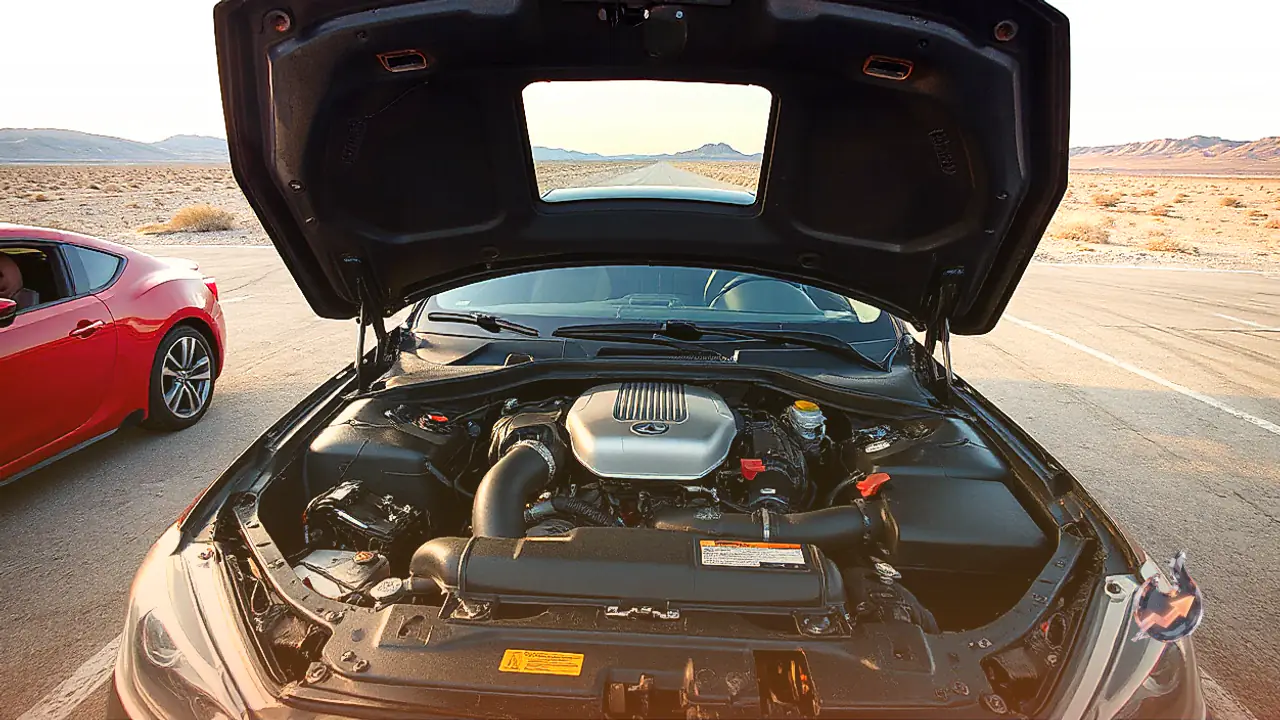

























Car drivers often jump to replace their vehicle's battery when it repeatedly loses charge, only to find themselves stranded on the road shortly afterward. In many instances, the root cause is not a faulty battery but a malfunctioning alternator within the charging system. As long as the alternator fails to generate adequate power, installing a brand-new battery will not resolve the underlying breakdown. Recognizing the early symptoms of alternator failure can save vehicle owners from expensive repair bills and dangerous roadside emergencies.
Understanding the Role of a Car Alternator
The alternator serves a critical function by continuously recharging the car battery while the engine is running and providing electrical power to all vehicle components. Under normal driving conditions, a standard car alternator has an expected lifespan of 7 to 10 years or roughly 100,000 kilometers. However, issues such as worn bearings, loose drive belts, or a damaged voltage regulator can cause it to fail prematurely. If the alternator collapses completely, the car can stall abruptly while driving, leaving you stranded without power.
5 Critical Warning Signs of Alternator Failure
1. Dashboard Battery or Warning Light: Modern vehicle instrument clusters feature a battery-shaped warning light or an ALT/GEN indicator designed to monitor charging voltage. If this light stays illuminated or flickers while the engine is actively running, it signifies that the alternator is failing to produce sufficient electrical voltage.
2. Dimming or Flickering Headlights: If your headlights, dashboard indicators, or interior cabin lights dim significantly when the engine idles and brighten when you step on the gas pedal, the alternator is losing power. You may also notice lights pulsing when switching on heavy electrical accessories like the air conditioner or seat heaters.
3. Repeatedly Dead Battery: When a relatively new or healthy battery repeatedly drains flat, or if the vehicle stalls immediately after receiving a jump start, the alternator is no longer charging the battery. A battery remaining uncharged even after short trips is a strong indicator of charging system failure.
4. Unusual Engine Noises and Burning Odors: High-pitched whining, squealing, or harsh grinding noises coming from the front of the engine indicate misaligned belts or failing internal bearings. Additionally, overheating alternators often emit a harsh smell reminiscent of burning rubber or hot electrical insulation.
5. Slow Electrical Accessories and Stalling: Voltage drops cause power windows to roll up slowly, radios or infotainment screens to reset randomly, instrument gauges to flicker, and the engine to stall unexpectedly. These symptoms tend to show up very quickly in feature-heavy modern cars.
How to Test Your Alternator with a Multimeter
The most reliable method to diagnose alternator health is by taking voltage readings with a multimeter. With the engine turned off, a healthy battery should read between 12.4 and 12.7 V. When the engine is turned on and idling, the reading should rise to between 13.5 and 14.7 V. Any multimeter reading outside this range indicates an alternator defect. During diagnostic checks, also inspect the drive belt tension, electrical wiring terminals, and blown fuses.
Alternator Replacement and Maintenance Guidelines
In most failure scenarios, replacing a damaged alternator with a new or remanufactured unit is far more dependable than attempting partial repairs. If you choose a DIY approach, begin by disconnecting the negative battery cable, removing the drive belt, unplugging the wiring harness, and unbolting the mounting hardware to extract the old unit. When installing the replacement unit, ensure the amperage rating and pulley design match the original specs exactly. Replacing the drive belt and automatic tensioner at the same time is also highly recommended. If you lack mechanical experience, consult a qualified mechanic, as improper installation can cause severe damage to your vehicle's delicate electrical infrastructure.