





















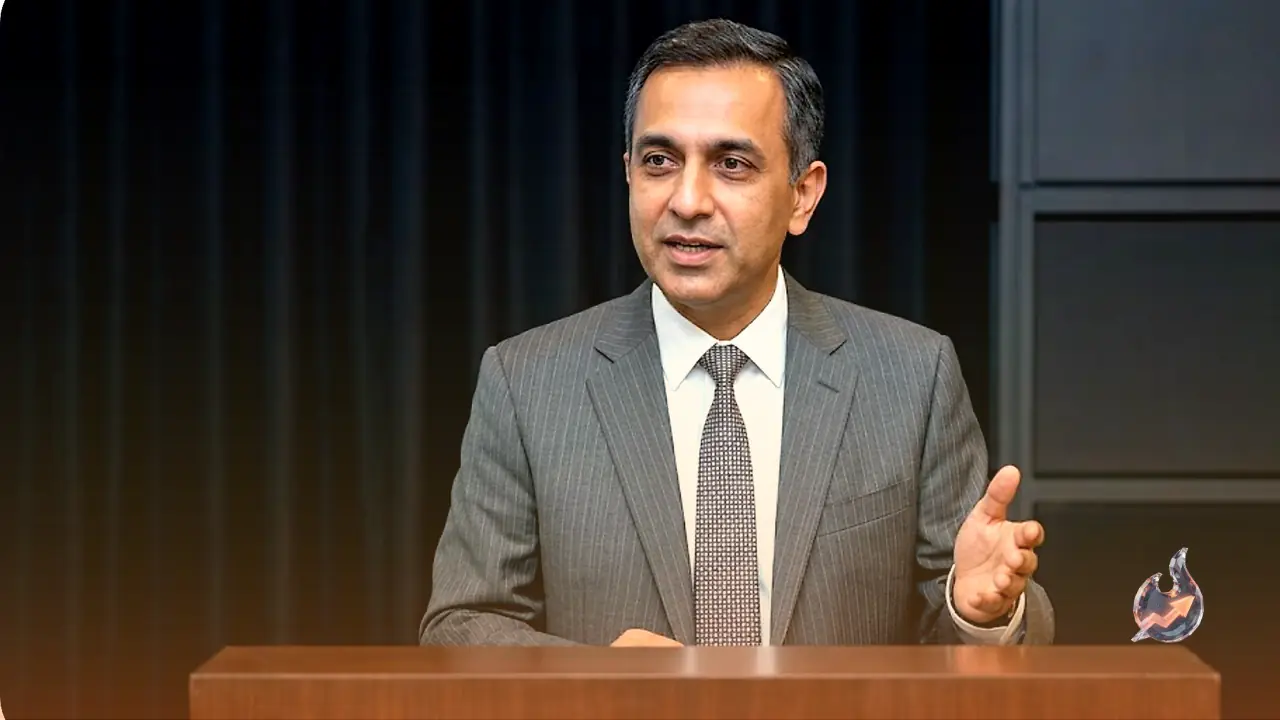

For a while now, ethanol blended fuel has carried a bad reputation among vehicle owners in India. Many believe it can seize up an engine, and others fear it slashes fuel efficiency. Vikram Gulati, country head and executive vice president (corporate affairs and governance) at Toyota Kirloskar Motor, has now pushed back directly against both claims, saying social media and sections of the automobile industry have spread far more fear around E20 fuel than the facts actually support.
Gulati said several misconceptions have taken root around ethanol blended fuel, and singled out one in particular, the widespread belief that using E20 blended fuel ruins a car's engine. He called this notion entirely false, stating plainly that no such damage occurs.
Does E20 fuel really cut into mileage?
Gulati also addressed the second major myth, that E20 fuel causes a drastic drop in mileage. He acknowledged that there is a technical dip in mileage, but said it is nowhere near as severe as the market chatter suggests. He pointed to tests run by the Automotive Research Association of India, or ARAI, in 2021, before E20 was rolled out nationwide, which found that ethanol blended petrol brings only a marginal 2 to 4 percent reduction in vehicle mileage.
Should owners of older vehicles worry?
According to Gulati, vehicle owners, whether they drive an older car or a brand new one, have nothing to worry about. E20 is now the standard fuel available across the country, and it works perfectly well for both old and new vehicles. He noted that every vehicle sold in India after April 1, 2023, has already been built to be fully E20 compatible. He added that a study by the government-run scientific body ARAI has also established that the potential damage E20 fuel could cause to older two wheelers and four wheelers is extremely minor.
Why E85 and E100 are a different story altogether
Gulati was careful to draw a line between E20 and higher ethanol blends. He explained that E85, which contains 85 percent ethanol, and E100, which is pure ethanol, are not meant for ordinary cars or bikes. These blends are designed exclusively for vehicles built with special flex fuel technology, which can run on ethanol in virtually any proportion.
The economic payoff of the ethanol blending push
Gulati also highlighted the economic benefits of the ethanol blending programme. Citing government data, he said the initiative has helped India save close to 1.9 lakh crore rupees in foreign exchange that would otherwise have gone toward crude oil imports. Of that total saving, 1.60 lakh crore rupees has flowed directly into the pockets of Indian farmers. He said ethanol has become a powerful tool for strengthening the rural economy and boosting farmer incomes, a model that several other developed nations are now adopting as well.