



















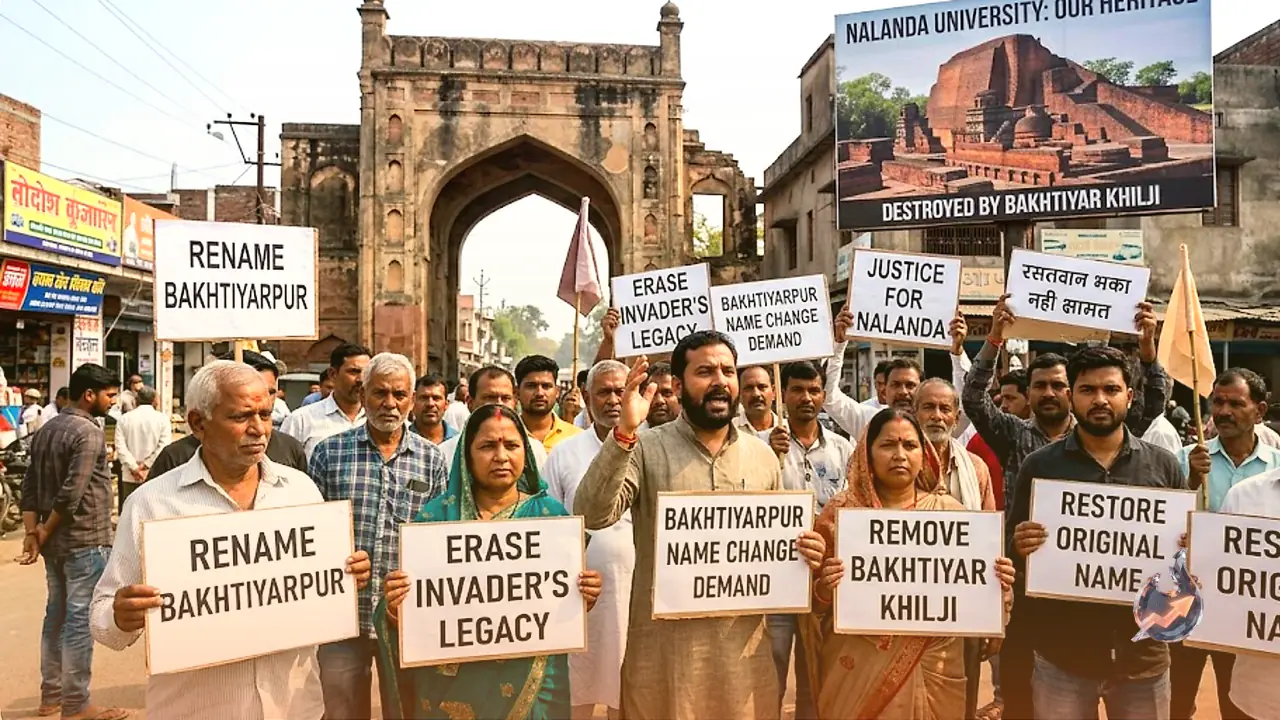

Whenever we discuss the academic grandeur of ancient India and the legacy of global knowledge centers like Nalanda University, it becomes deeply unsettling that a town near this historic land carries the name of a destroyer like Bakhtiyar Khilji. Spiritual leader Sadhguru Jaggi Vasudev has raised this issue, explicitly urging Bihar Deputy Chief Minister Samrat Chaudhary to rename Bakhtiyarpur. Sadhguru asserts that the names of cities should reflect the nation's glorious past and cultural heritage. This demand has sparked a renewed political debate across Bihar.
Rising Political Support and Questions
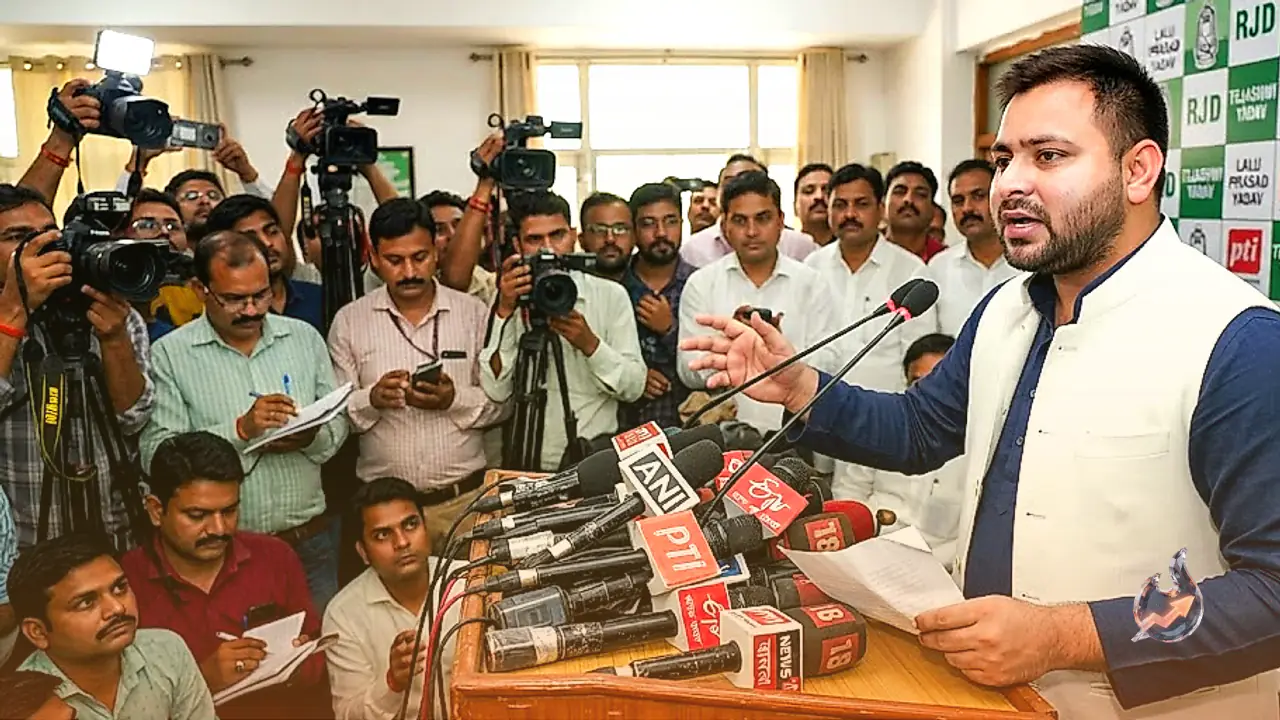
Following Sadhguru’s appeal, several political leaders have voiced their support. Bihar Legislative Council Chairman Awadhesh Narayan Singh has backed the initiative, suggesting that Bakhtiyarpur should be renamed after a figure or element representing Indian culture. Similarly, BJP national spokesperson Ajay Alok has questioned how a city can be named after an invader who decimated the country's heritage. He emphasized that the intentions of those opposing the name change are worth scrutinizing.
A Dark Chapter in History
Bakhtiyarpur, situated just 50 kilometers from the capital Patna, serves as a major railway junction today. Its name is derived from the 12th-century Turkic invader, Ikhtiyaruddin Muhammad bin Bakhtiyar Khilji. History records that around 1193, he ravaged Bihar and Bengal during his military campaigns. His assault on Nalanda University remains one of the greatest tragedies for Indian education. Not only did he brutally slaughter thousands of Buddhist monks, but he also ordered the burning of the university's massive library. Historians note that the collection of books and precious manuscripts was so vast that the fire continued to smolder for over three months. The invader established his military camp near Patna, which eventually came to be known as 'Bakhtiyarpur'.
Development vs. Historical Identity
The demand to rename the town is not a recent development. Over the years, various social organizations and political figures have proposed renaming it to 'Nitish Nagar' or to a name honoring historical legends. When the matter reached Chief Minister Nitish Kumar, he consistently emphasized a focus on development. His stance has been that history cannot be altered and that, as this is his home district, improving infrastructure and civic amenities is more urgent than renaming it. Nevertheless, whenever there is a national trend of renaming places, the issue regarding Bakhtiyarpur consistently resurfaces in public discourse.
Modern Bakhtiyarpur and Public Sentiment
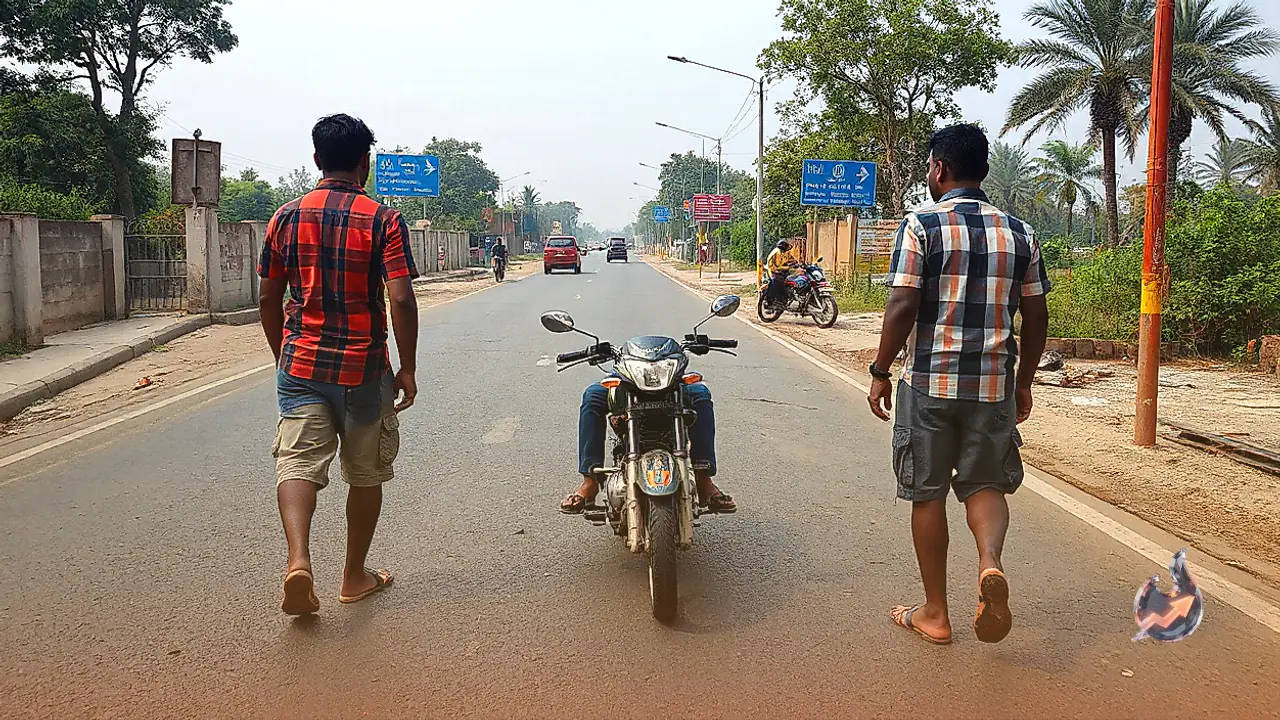
Today’s Bakhtiyarpur is a rapidly developing suburban area. It functions as a busy junction on the Patna-Howrah main rail line, serving as a gateway for tourists traveling to Rajgir and Nalanda. Modern markets, coaching institutes, and heavy vehicular traffic define the current landscape of the town. However, the name printed on railway station boards and government offices serves as a constant reminder of the brutal history of Bakhtiyar Khilji. It remains an ironic puzzle for tourists visiting the ruins of Nalanda that the main transit point is named after the very person who razed it to the ground.
Perspectives of the Local Population
Among the local residents, especially the younger generation and intellectuals, there is a mix of opinions coupled with a sense of historical pain. A significant section of the elderly and the merchant class believes that changing a name will not provide jobs or fix civic infrastructure, so their priority remains the development of roads and drainage systems. Conversely, the youth and students of the area view the name as an indelible historical scar. They share that when they travel and are asked about their hometown, the name evokes a sense of shame. For them, it represents an old wound, and they desire to remove it to reclaim their cultural pride.