





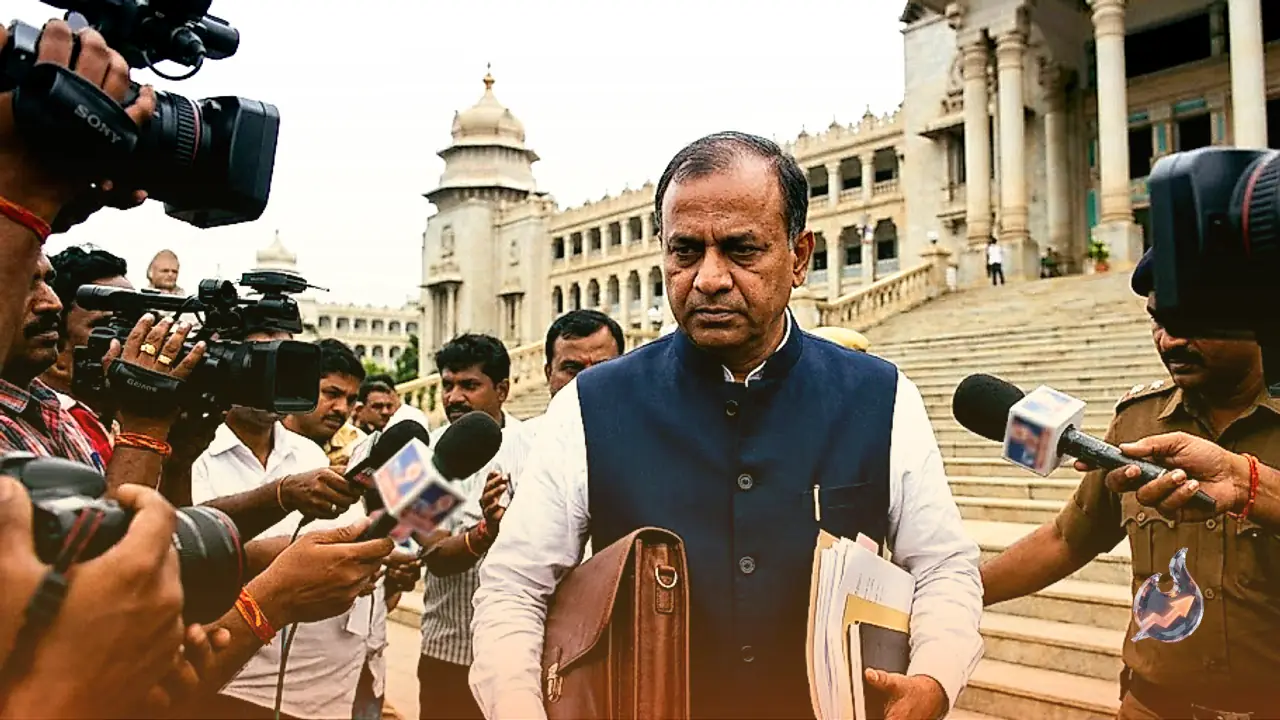

















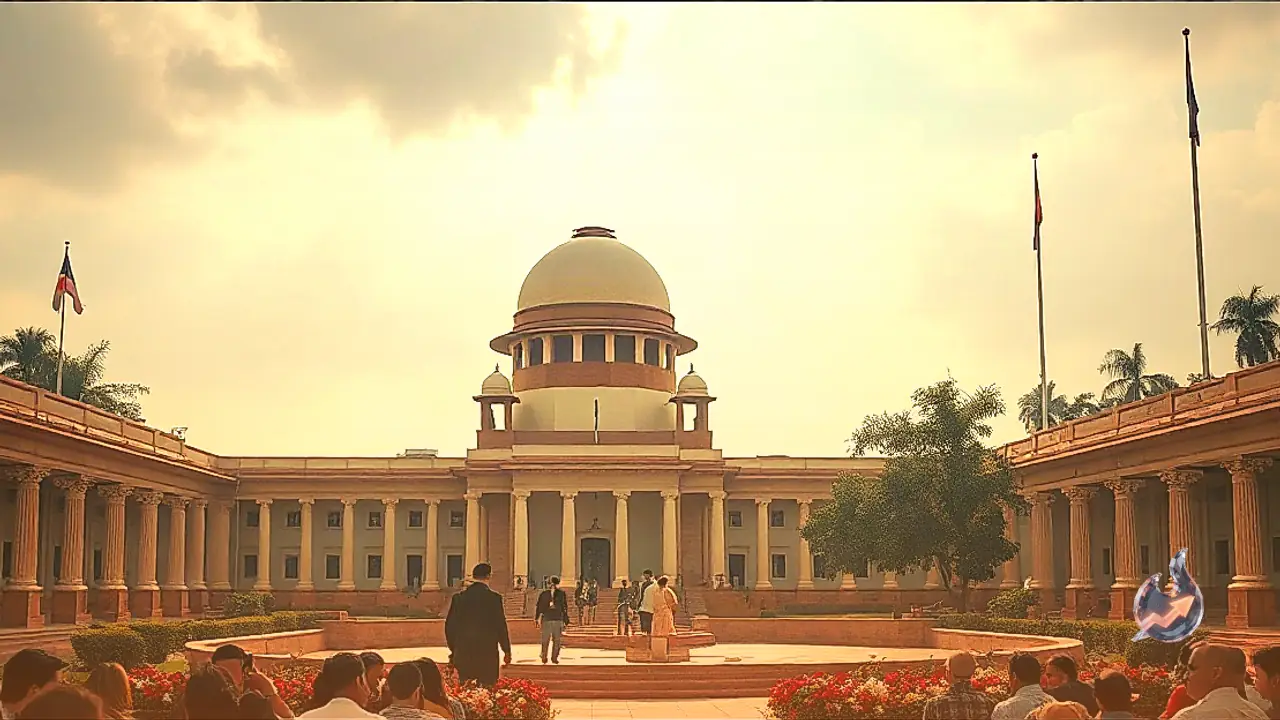

During his farewell address at the Supreme Court, Justice Sanjay Karol delivered a deeply reflective speech that transcended formal legal principles to focus on core human values and life experiences. Marking the conclusion of his nearly four-decade-long career in the legal profession, he highlighted the true essence of judicial duty, constitutional responsibility, and the necessity of empathy within the justice system. Recalling his initial entry into Supreme Court Courtroom Number 1 as a young advocate back in 1986, he emphasized that the transition from a practitioner to a judge on the highest bench was a continuous journey of humility, service, and deep responsibility rather than an exercise of authority.
The Transformative Power of Respect and Lessons from Patna
Reflecting on his past professional experiences, Justice Sanjay Karol paid special tribute to his tenure in Patna, identifying it as a crucial learning period for his judicial outlook. He recounted how simple acts of courtesy and respect could fundamentally alter challenging situations, observing that a single respectful greeting carries the potential to change numerous outcomes. Furthermore, he raised a thoughtful query regarding whether a person truly sits on a position of authority or whether the position dominates the individual. According to him, holding a judicial post requires distinguishing between power and accountability. He urged that judicial officers must prioritize active listening, taking the time to comprehend all aspects of a matter before deciding on the appropriate course of action.
Recognizing Human Lives Behind Courtroom Petitions
Addressing the reality of litigation, Justice Karol stressed that court files should never be viewed merely as stacks of paper or technical petitions. Behind every case lies a real human being experiencing hardship, emotional distress, and hope. He noted that documentary evidence and written arguments alone cannot fully capture what an individual has endured or what relief they genuinely seek from the judicial process. Consequently, delivering true justice demands looking beyond formal legal submissions to understand the human narrative and personal struggle of the litigant standing before the bench.
Judicial Humility and the Practical Application of the Constitution
With notable candor, Justice Karol remarked that judges are not divine beings and cannot be expected to deliver flawless verdicts in every instance. However, what remains entirely within a judge's control is the willingness to listen attentively and approach every case with humility. He explained that the Constitution expects judicial officers not merely to enforce written statutes mechanically, but to apply them in a fair and equitable manner. To illustrate how constitutional principles function in daily life, he cited the example of a traffic constable at a busy intersection, stating that even the constable's stick and whistle embody the voice of the Constitution. He asserted that the real measure of constitutional integrity lies in how ordinary citizens interact daily and whether the weakest, most voiceless individuals are granted a fair hearing.
Guiding Young Advocates and Retiring Without Regrets
Offering constructive guidance to the junior legal community, Justice Karol advised young lawyers never to be intimidated by the judicial bench or remain silent during proceedings. He affirmed that advocates who present their arguments with simplicity, sincerity, and thorough preparation form an essential backbone of the judicial framework. He encouraged them to maintain unshakeable faith in the profession, uphold fairness, and strictly adhere to professional courtesy. Expanding his observations to society at large, he noted that every individual acts as a judge in daily life through their personal conduct, decisions, and restraint. Concluding his speech, Justice Karol expressed immense gratitude toward the bar, judicial colleagues, registry staff, litigants, and his family, stating that he departs from the bench with absolute contentment and zero regrets after serving the nation and its Constitution.