

















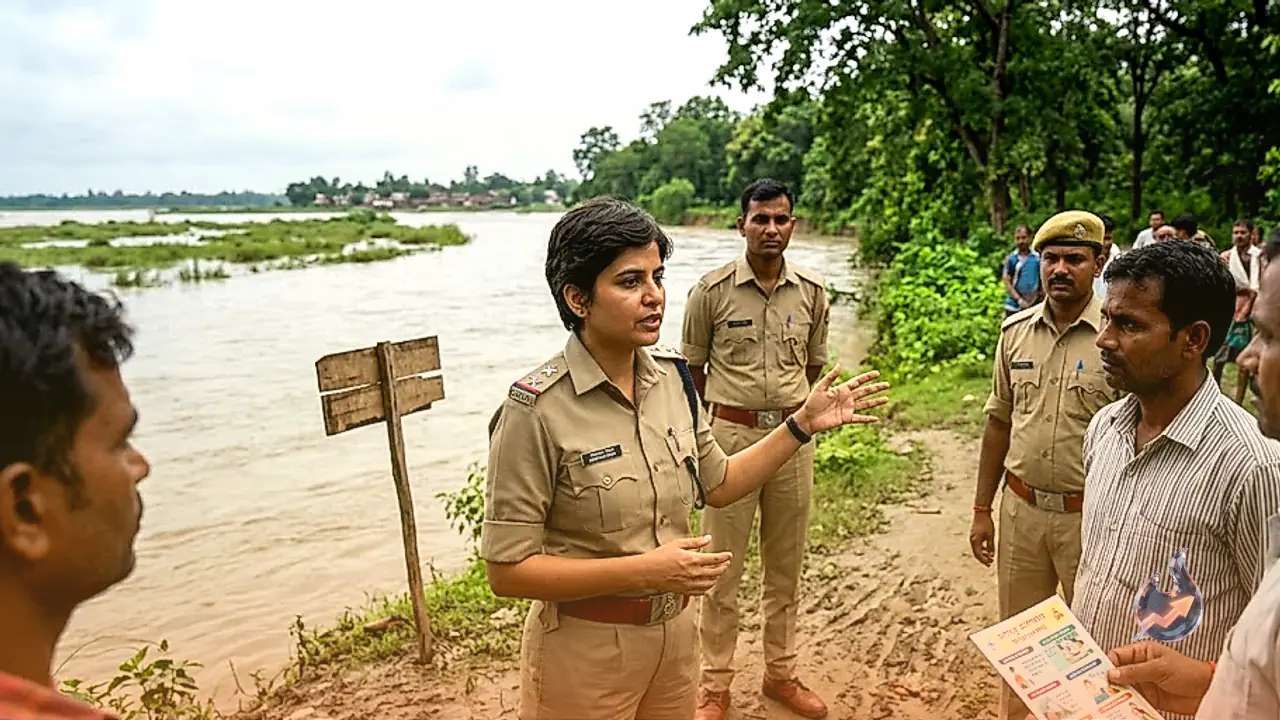

With the onset of the monsoon season, swelling river waters significantly alter aquatic life patterns in low-lying and riparian zones. A tragic reminder of this danger occurred on 16 July in the Bahraich district of Uttar Pradesh, where a 12-year-old boy named Sunil went to wash his hands at a riverbank and was tragically dragged in and killed by a crocodile. In contrast, a unique example of peaceful coexistence comes from Bawa Mohatra village in the Bemetara district of Chhattisgarh, where a crocodile named Gangaram inhabited a local pond for nearly 130 years without harming any villager. The stark difference between these cases highlights the complex nature of human-wildlife encounters. Addressing the seasonal surge in crocodile movements, Katarniaghat Forest Officer Apoorva Dixit has released an urgent advisory detailing safety measures for residents in vulnerable areas.
Monsoon Floods and the Escalating Threat of Crocodiles in Residential Areas
During the monsoon, rivers like the Ghaghara in the Terai region overflow, spreading shallow floodwaters into adjacent agricultural fields, natural drains, and village outskirts. As the water spreads, aquatic creatures including fish and crocodiles travel beyond their usual habitats into new territory. Submerged paddy fields, dense patches of water hyacinth, and tall grasses offer ideal cover. Crocodiles often lay in wait submerged in shallow or muddy water along human settlements, posing a severe threat to unsuspecting passersby and livestock.
Factors Behind Increased Crocodile Activity
Rising water volume prompts crocodiles to move constantly in search of food and secure shelter. Shallow channels allow them to glide effortlessly near human habitats. Muddy floodwaters combined with thick vegetation make them virtually invisible from a distance. Because crocodiles possess explosive speed when pouncing on prey at the water's edge, even brief exposure near flooded banks presents extreme danger during the rainy season.
Safety Directives Issued by Katarniaghat Forest Officer Apoorva Dixit
Katarniaghat Forest Officer Apoorva Dixit stressed that maintaining a safe distance is the paramount rule of survival when a crocodile is sighted. People frequently make the mistake of approaching the creature to capture photographs or videos. The officer cautioned against such behavior, emphasizing that a crocodile's striking speed far exceeds human reaction time, turning a momentary lapse of caution into a fatal accident.
Protecting Children and Avoiding High-Risk Hours
Special care must be taken regarding children during the monsoon. Parents should strictly prevent children from swimming or playing in rivers, flooded depressions, ponds, or waterlogged ditches. Locations with thick brush, tall reeds, or floating water hyacinth should be completely avoided. Furthermore, visiting water bodies during early morning and late evening dusk is particularly hazardous. Low light combined with turbid water obscures visibility, making it nearly impossible to spot a lurking predator in time.
Refrain from Attempting Self-Rescue or Chasing
A common mistake in rural areas is trying to drive away or encircle a spotted crocodile independently using sticks or ropes. Forest Officer Apoorva Dixit advised against surrounding or disturbing the animal, as feelings of entrapment trigger aggressive self-defense attacks. If a crocodile is noticed near populated areas, residents must immediately inform the local forest department or call the emergency helpline. Trained rescue teams can evaluate the situation, secure the area, and safely relocate the reptile back into deep natural waters.