




















The transplantation of paddy crops during the ongoing Kharif season is nearly complete across Bihar, with work still underway in a few remaining regions. However, significantly reduced rainfall this year has posed severe challenges for local farmers. Due to the lack of adequate monsoon rains, agricultural producers are forced to rely heavily on artificial irrigation to transplant their crops and keep them alive. In several areas, the situation has deteriorated sharply, with fields drying up and developing visible surface cracks. Under such stressful conditions, applying the proper watering techniques becomes vital to safeguard crop yields and prevent total agricultural loss.
Experienced Farmer Navigates Water Scarcity Across 2 Acres
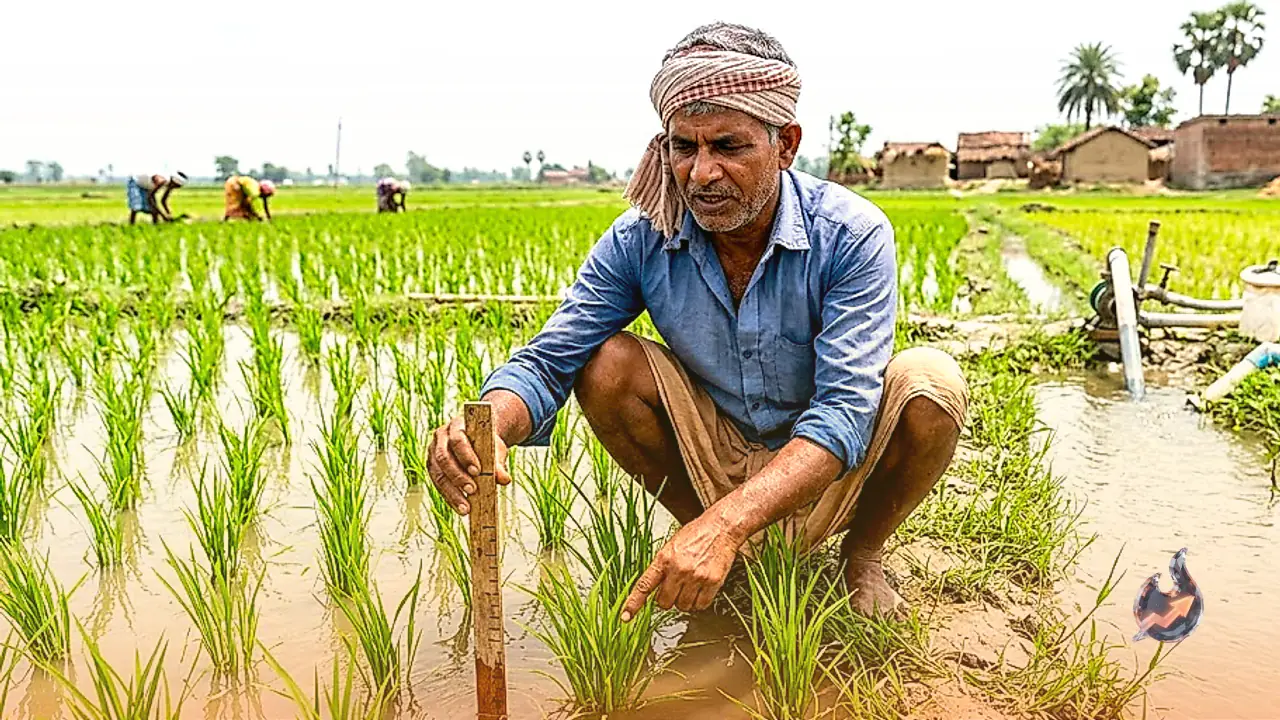
In Kolhapar village, located within the Ghoshi block of Jehanabad district, farmer Sanjay Kumar has been engaged in traditional agriculture for the past 20 years. Along with growing various vegetables, he has sown paddy across 2 acres of land during the current season. Drawing from two decades of hands-on experience, Sanjay Kumar highlights that groundwater tables have dropped considerably in the area. This sharp decline in underground water levels causes the soil to lose moisture rapidly, compelling farmers to irrigate their fields far more frequently to keep the young paddy plants surviving.
Why Overflooding Paddy Fields Causes Heavy Financial Losses
Faced with scorching weather and deficient rainfall, many farmers make the mistake of overwatering their crops by completely flooding the fields. Sanjay Kumar warns that filling fields to capacity is highly detrimental to plant growth. Excess standing water softens the soil excessively and weakens the root structure of paddy plants. When strong winds sweep across the fields, these weakly anchored plants easily lodge or fall over. Once paddy plants collapse to the ground, the grains degrade quickly, imposing severe economic damage on hard-working farmers.
Optimal Irrigation Strategy: 3 to 4 Inches of Water Every 8 Days
To protect crops from falling and to foster optimal vegetative growth, Sanjay Kumar presents a precise irrigation schedule tailored for dry spells. He emphasizes that extreme care must be taken during watering operations. Instead of submerging the fields, farmers should maintain a standing water depth of only 3 to 4 inches. Furthermore, light irrigation should be applied periodically at intervals of every 8 days. Providing a steady, moderate supply of moisture ensures continuous growth for the plants while allowing their root systems to remain firmly anchored in the soil.
Prioritizing Knowledge and Planning for Sustainable Farming
Reflecting on broader agricultural practices, Sanjay Kumar cautions against entering farming without proper technical understanding. Many individuals initiate crop cultivation without acquiring essential knowledge, which leads to preventable losses and operational difficulties. As Sanjay Kumar observed, care must be taken during paddy crop irrigation because excess water causes the plant roots to weaken. He advises that acquiring adequate knowledge before undertaking any agricultural task enables farmers to overcome field challenges smoothly and ultimately improves their overall farming income.