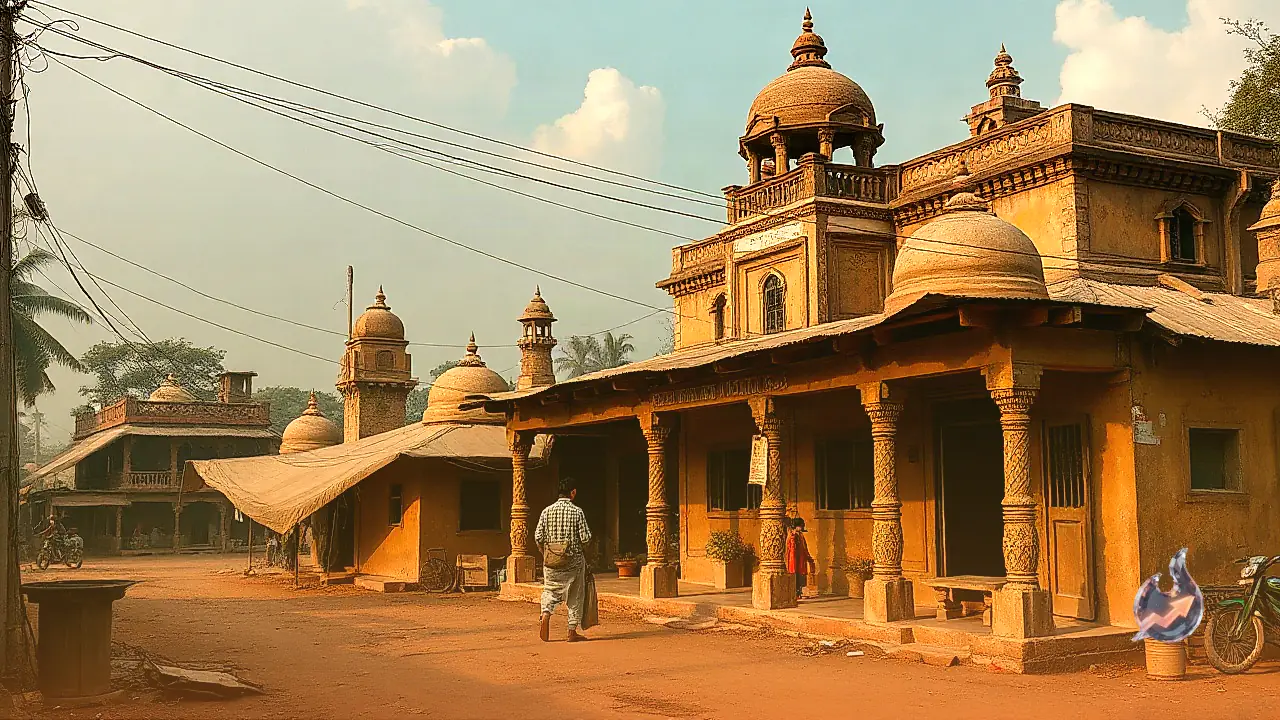






















The historic and religious city of Rajgir, located in Bihar's Nalanda district, is globally renowned for its natural hot water springs, which are now fighting a grim battle for survival. Every year, hundreds of thousands of devotees and tourists flock to this destination to take a holy dip in these miraculous waters. There is a deeply held belief that bathing in these hot springs, which are naturally heated by underground geothermal sources, provides immense relief from chronic skin ailments and persistent joint pain. Thanks to these subterranean geological activities, the water here remains naturally hot throughout the entire year. The temperature of Brahmakund, the central attraction of the complex, generally hovers between 45 and 50 degrees Celsius, consistently fascinating visitors from around the world. However, over the recent past, a severe crisis has enveloped this priceless natural heritage, with several of Rajgir's most celebrated springs steadily drying up.
Ganga, Jamuna, and Other Prominent Springs Run Dry
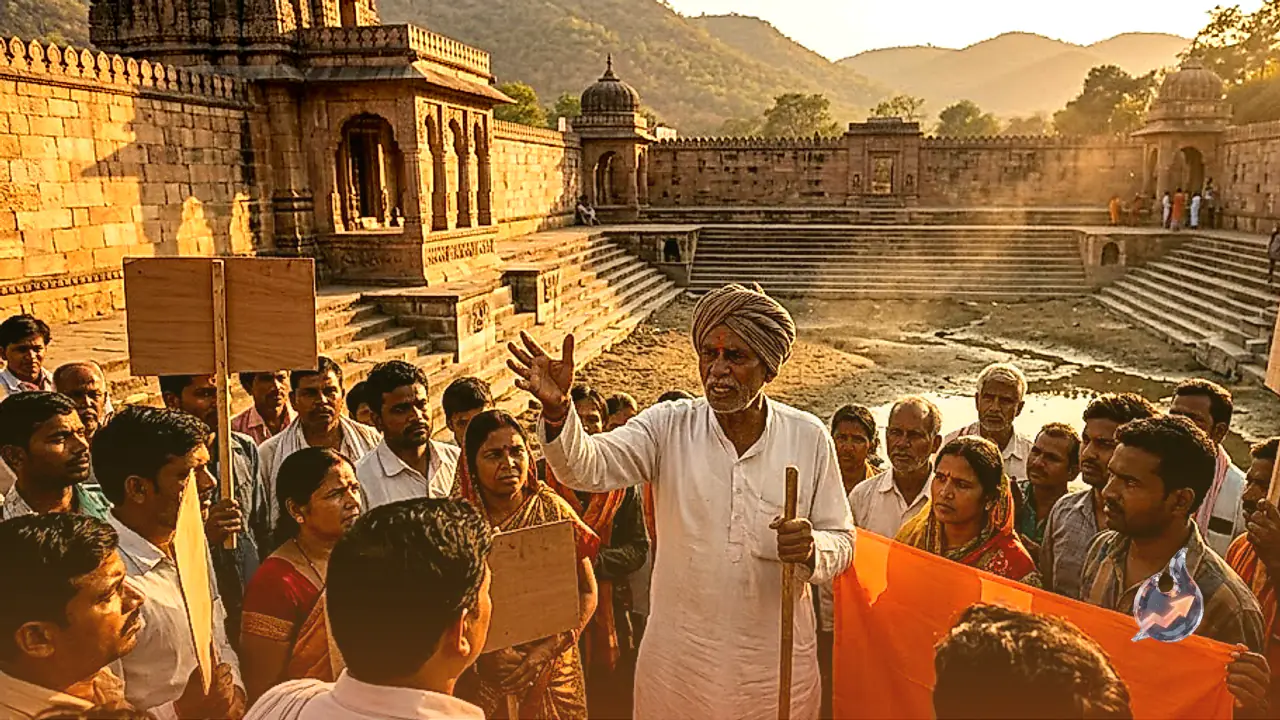
The water scarcity has reached such alarming levels that many hot water sources of immense historical and mythological significance, including Ganga Kund, Jamuna Kund, Markandey Kund, and Vyas Kund, have almost completely depleted. Currently, out of the vast Brahmakund complex, only two springs are actively yielding water. All the devotees and international tourists arriving in Rajgir are now entirely dependent on these two surviving sources. This alarming development has triggered widespread anxiety and disappointment among the local populace and visiting pilgrims alike. These water bodies are not merely centers of profound religious faith; they serve as the very backbone of Rajgir's thriving tourism economy. During major events like the Malmas Mela, Makar Sankranti, and other significant religious occasions, thousands of devotees gather here, and the drying up of these springs signals a massive impending cultural and economic disaster.
Locals Convene Mahapanchayat and Present Seven-Point Demands
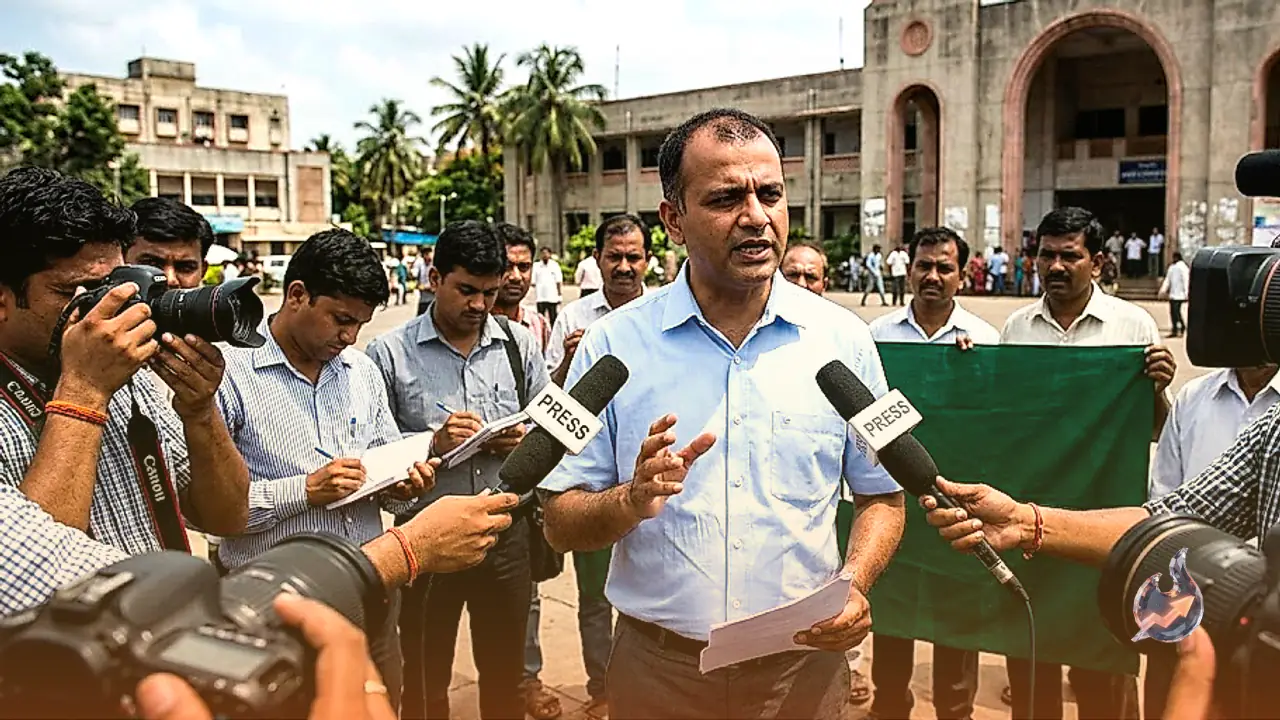
Determined to rescue this dire situation and save their natural heritage from permanent extinction, the local residents united to organize a massive 'Mahapanchayat' (grand council) in Rajgir. During this significant gathering, the community presented a stringent seven-point charter of demands before the state government and the district administration. The foremost demand is an immediate and total ban on all private and commercial borewells operating within a one-kilometer radius of the Kund complex, as excessive groundwater extraction is widely blamed for the crisis. Additionally, they have urgently requested the desilting and deepening of the Belbha Dobh pond to improve local water harvesting capabilities and facilitate faster groundwater recharge.
Calls for Geological Investigation and Threat of Protests
The attendees at the Mahapanchayat also strongly demanded that a comprehensive investigation into the entire phenomenon be conducted by a team of expert geological scientists. The local community has made it explicitly clear that if concrete, scientifically backed measures are not implemented immediately, this glorious historical legacy of Rajgir could be lost forever to the pages of history. They have issued a stern warning to the administration: if a permanent and viable solution to revive the drying springs is not formulated soon, a much larger and more intense mass agitation will be launched in the coming days. Public anger is visibly mounting, and residents are prepared to go to any lengths to protect their heritage.