
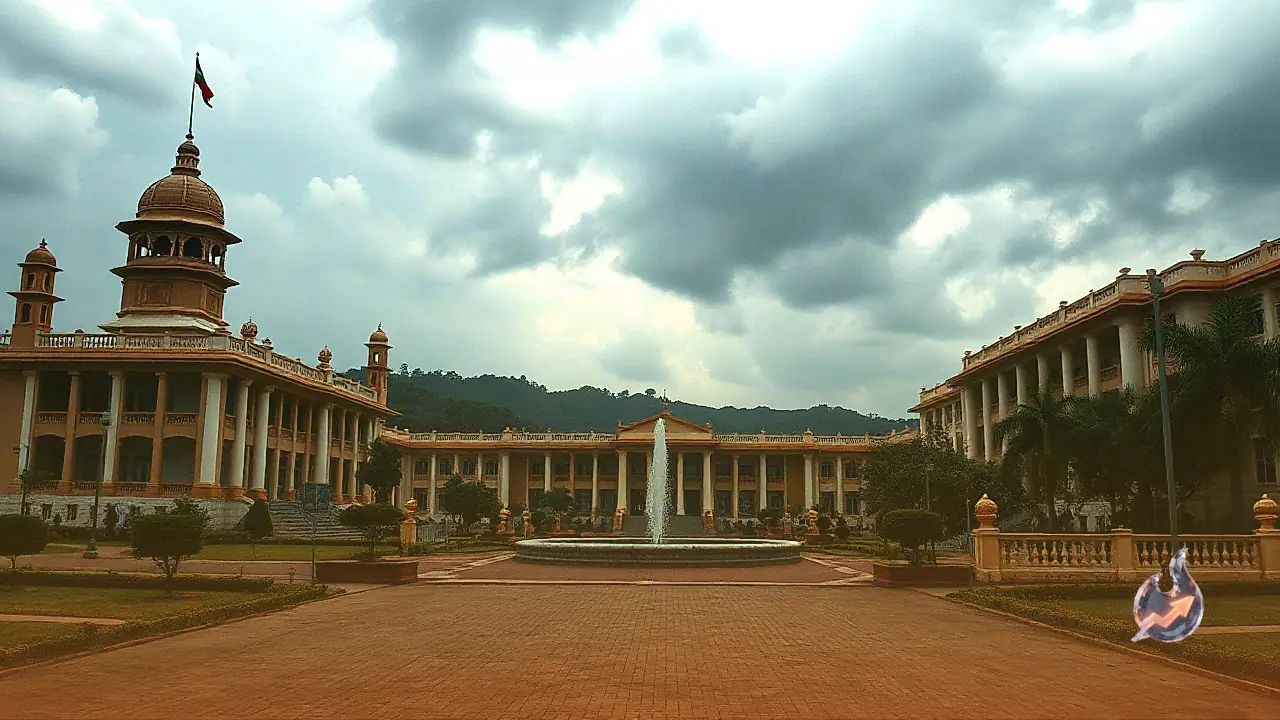

















In response to persistent wall writing and slogan painting across the campus, the administration of Jadavpur University has issued a special appeal to its student community. Vice Chancellor Chiranjib Bhattacharya released an open letter suggesting that students and faculty members utilize social media platforms to voice their opinions rather than defacing university walls with political graffiti. The administration emphasized that digital channels offer an effective medium for expression while keeping the campus clean and peaceful.
Balancing Heritage with Freedom of Expression
In his public letter, the Vice Chancellor clarified that the guidelines are not intended to curb the students' freedom of speech or limit independent thought. He highlighted that Jadavpur University has long nurtured a proud tradition of open dialogue and critical thinking. However, he stressed that preserving this legacy requires a collective effort to maintain the institute's aesthetic appeal, cleanliness, and academic environment.
Chiranjib Bhattacharya appealed to both students and faculty members to work together in keeping the campus vibrant yet orderly. He noted that modern communication channels provide ample space for debate and activism, making it unnecessary to write slogans on historic university structures.
Controversy Surrounding Controversial Slogans
The issue gained significant attention following sharp criticism from West Bengal Chief Minister Suvendu Adhikari regarding controversial graffiti found on the walls of the university's Arts faculty. Labeling the slogans as anti-national, the Chief Minister directed the institution's authorities to remove all offensive writings immediately.
Following those directions, the university administration whitewashed the disputed wall writings across the Arts faculty block. However, fresh slogans reappeared on the campus walls shortly after the clean-up effort. The Chief Minister condemned such acts, comparing the slogan culture to garbage and stating that there should be no place for such activities within a premier academic institution.
Details of the Disputed Wall Writings
The controversy primarily centered around slogans such as 'Lal Salaam to Kishanji' and statements regarding Kashmir. Kishanji was a high-ranking Maoist leader who was killed in a police encounter in 2011, shortly after the Mamata Banerjee led Trinamool Congress administration assumed power in West Bengal.
The reappearance of these slogans prompted the administration to issue an urgent call for restraint. By encouraging students to adopt digital and creative channels for expression, the university hopes to protect its heritage while preventing repeated conflicts over campus wall space.