




















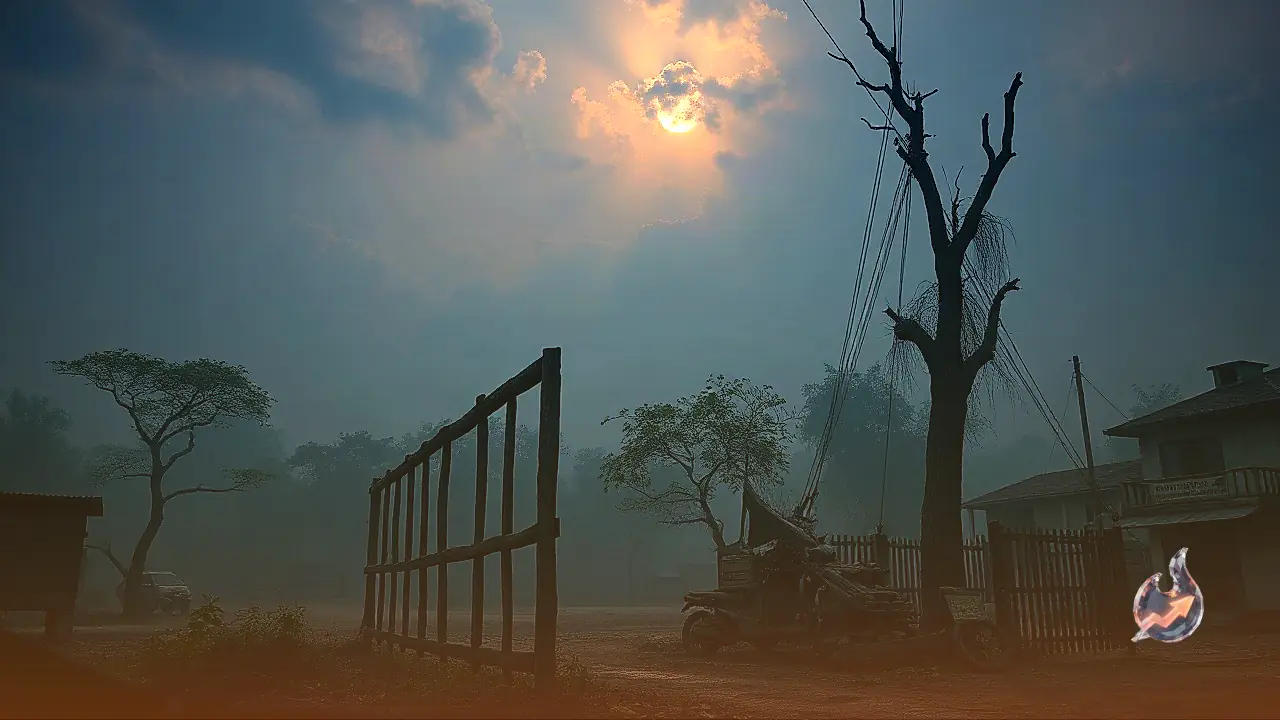

Spread across approximately 900 square kilometers in West Champaran district, Valmiki Tiger Reserve stands as a sanctuary of rich biodiversity and natural heritage in Bihar. Currently housing over 62 tigers, the reserve reflects a thriving environment for wildlife conservation. However, this growing tiger population has simultaneously triggered severe anxiety among residents living in villages adjoining the forest boundaries. Frequent encounters between big cats and human settlements have generated widespread fear across the region.
A Fatal Timeline: Three Lives Lost in 17 Days
Incidents of human-wildlife conflict near Valmiki Tiger Reserve have witnessed an alarming escalation in recent weeks. Between July and August, four separate tiger attacks occurred within a brief 17-day span. These encounters resulted in the tragic deaths of three local villagers, with two dying on the spot and one succumbing to injuries during medical treatment.
The first casualty occurred on July 30, 2026, near Bisaha village under Bagaha 02 block. Akloo Yadav, a 65-year-old resident, was grazing his cattle and goats in a field close to the forest boundary when a tiger ambushed him. Alerted by his cries for help, nearby farmers rushed to the scene and managed to pull him away from the tiger. Tragically, despite being rescued alive, Akloo Yadav succumbed to his severe injuries on the very first day of his treatment.
The following day, July 31, 2026, recorded the second fatal attack in the Naurangia Mishraulia Reta area within the Madanpur forest range. Umrawati Devi, a 45-year-old woman, was working in her agricultural field when a tiger attacked her without warning. She died on the spot. Coming within 24 hours of the first fatality, this incident sparked intense anger and panic among neighboring villagers regarding wildlife safety.
The August 15 Incident: Sugarcane Field Tragedy
Before the region could recover from the previous attacks, a third fatal incident took place on Saturday, August 15, 2026. The attack occurred in Bengali Tola of Bhedihari village under the Valmiki Nagar area, claiming the life of 45-year-old farmer Vijay Haldar.
According to Tapan Haldar, the elder brother of the victim, Vijay had left home around 6:30 AM on Saturday to cut grass for his livestock in a field adjacent to the village. When Vijay failed to return home by 9:00 AM and his mobile phone remained unreachable, family members and fellow villagers grew anxious and organized a search party towards the fields.
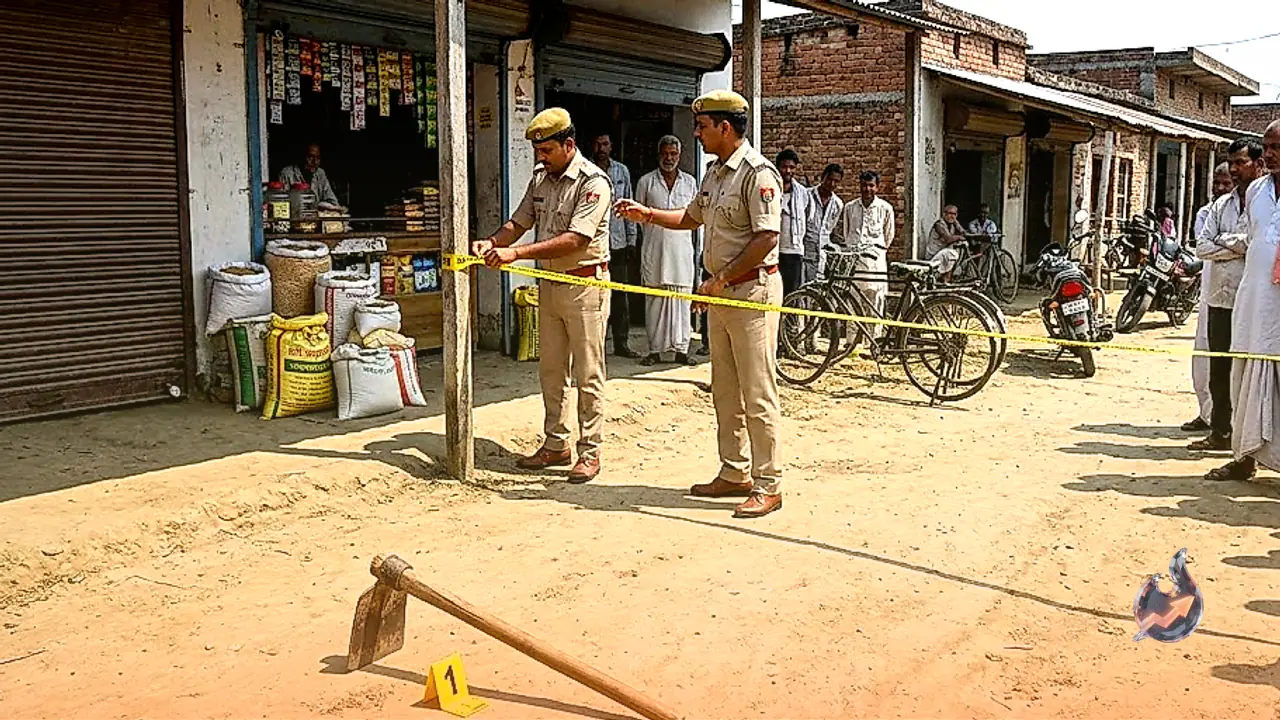
Upon reaching the field, searchers found Vijay's bicycle and the grass he had cut lying abandoned, but Vijay was nowhere in sight. Advancing further into an adjacent sugarcane field, villagers discovered blood trails and drag marks along the ground. Moving deeper into the thick vegetation, they discovered Vijay's lifeless body surrounded by blood. The body bore five deep tooth punctures on the neck alongside severe paw scratch marks across the back.
Public Outrage and Highway Blockade
As news of Vijay's death spread, grief turned into public fury. Officials from the forest department arrived at the location and subsequently confirmed that the attack was indeed carried out by a tiger. Confronted with four attacks and three deaths across the Madanpur and Valmiki Nagar forest areas within just 17 days, local communities mounted widespread protests.
Within an hour of the discovery, angry residents blocked the Madanpur-Gorakhpur main highway, halting traffic completely. Demonstrators targeted a forest department patrolling jeep, damaging the vehicle and confronting field staff. Normalcy was restored only after several hours of administrative intervention and negotiations, following which villagers cleared the road.
Expert Insights: Why Tigers Prey Near Human Habitats
Analyzing the underlying triggers behind escalating big cat attacks, Abhishek, a wildlife expert with nearly two decades of field experience, explained that tigers do not naturally view human beings as prey.
According to expert Abhishek, tigers typically turn toward easy targets when they grow old, contract illnesses, or sustain injuries that impair their hunting speed. Incapable of capturing fast wild prey, such tigers stray beyond forest limits to target domestic cattle grazing in nearby agricultural plots. During these cattle hunts, accidental encounters with humans occur, resulting in defensive or predatory strikes on people working in fields.
Deforestation and Ecological Chain Disruption
Expert Abhishek further highlighted that continuous deforestation and expanding human encroachments remain primary catalysts for human-animal conflict. As forest density declines, ecological food chains experience severe disruption.
The loss of natural forest cover deprives herbivorous species such as wild boars, nilgai, and deer of adequate vegetation inside the reserve. Consequently, these herbivores move into farm fields adjoining the forest borders to forage on crops. Carnivores like tigers and leopards follow these prey animals directly into human habitats, creating frequent, high-risk encounter zones that lead to tragic conflicts.