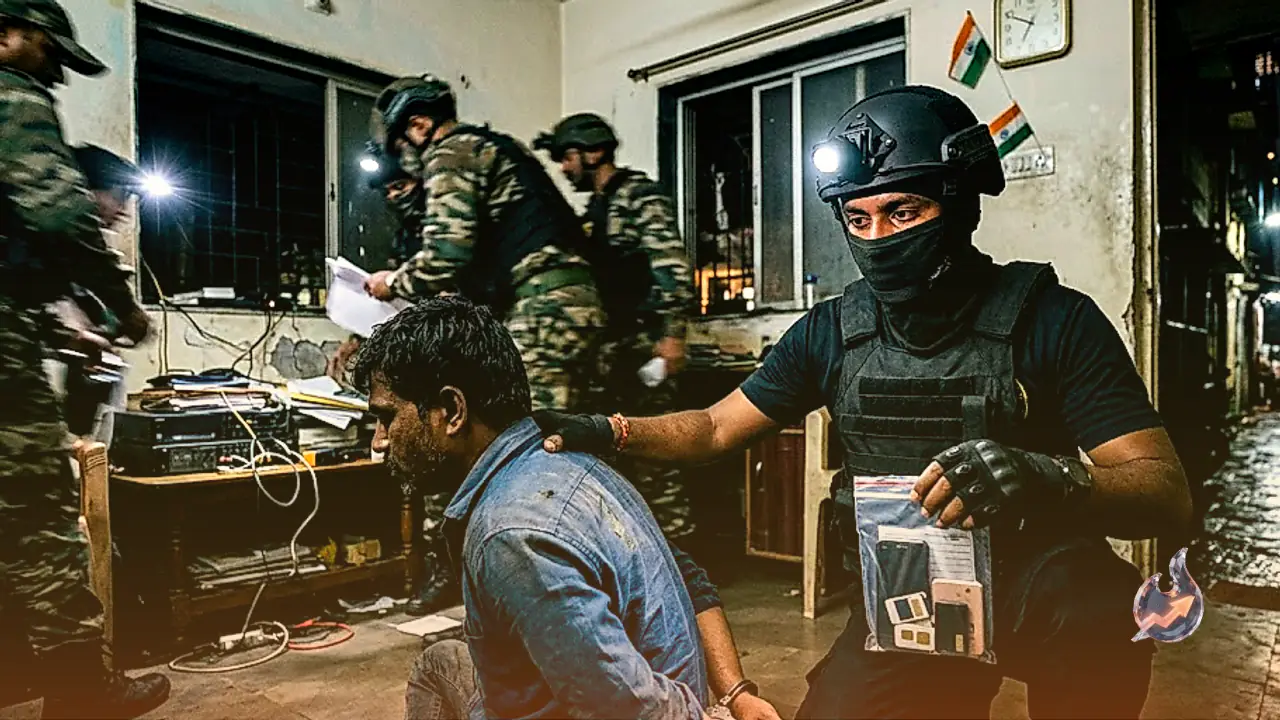






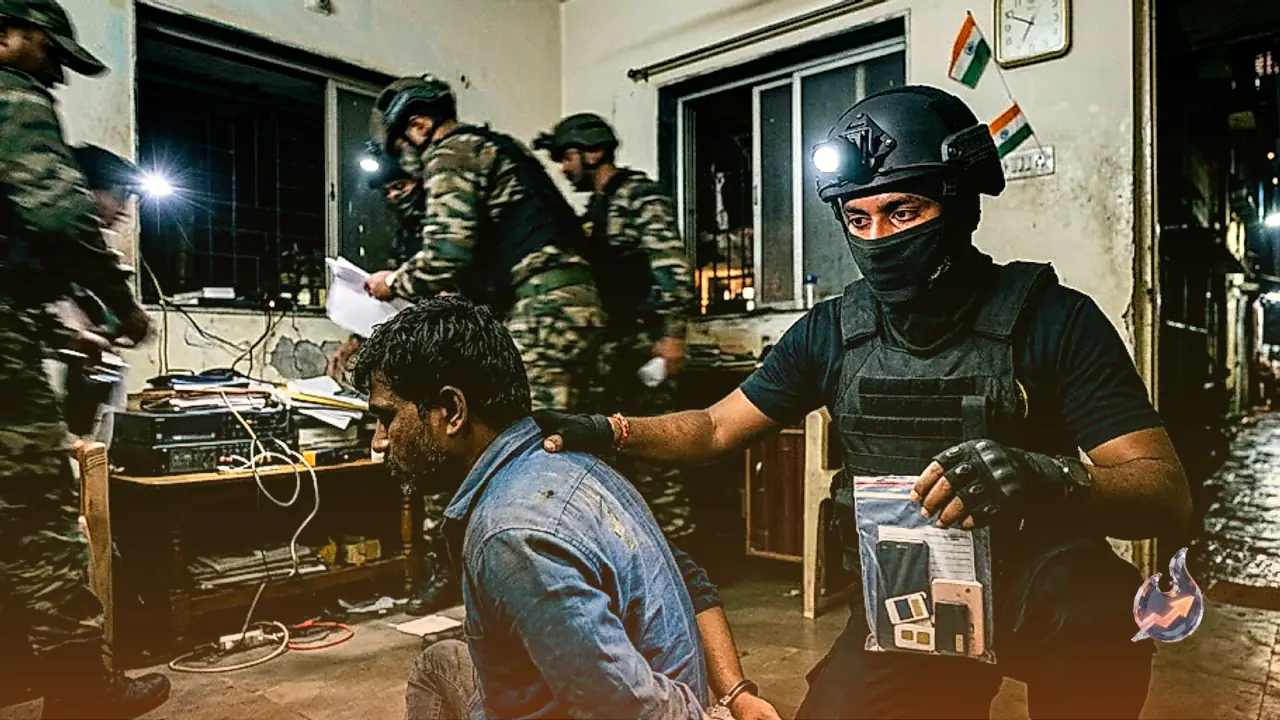


















Amid growing public skepticism regarding the functioning of the National Testing Agency (NTA), Union Education Minister Pralhad Joshi chaired a high-level follow-up meeting today, signalling a comprehensive administrative overhaul of the testing body. The government has taken decisive steps, including the removal of 600 empanelled experts, the introduction of a four-tier checking mechanism for question papers and answer sheets, and the relocation of NTA offices under CISF security coverage. Rather than minor procedural tweaks, these actions point toward a major structural intervention designed to restore institutional credibility and rebuild public trust in national competitive examinations.
Removal of 600 Experts and Administrative Accountability
The preparation and safeguarding of question papers remain the most sensitive aspect of any examination pipeline. The sudden removal of 600 experts from the NTA panel represents an implicit acknowledgment of systemic vulnerabilities within the existing setup. By inducting a fresh batch of specialists, the administration aims to eliminate potential conflicts of interest and plug loopholes that could lead to data leaks. However, ensuring complete transparency in the selection process of these new experts remains a vital prerequisite for maintaining long-term integrity.
Four-Tier Verification Framework and CISF Security Cover
To eliminate both technical oversights and human errors, the ministry is deploying a rigorous four-tier checking mechanism for reviewing test papers and answer sheets. By subjecting examination materials to multi-layered scrutiny across four independent stages, the margin for error is reduced to a minimum. Furthermore, NTA office operations are being shifted to new premises backed by Central Industrial Security Force (CISF) personnel. Establishing a high-security perimeter around the agency's facilities is intended to neutralize any possibility of internal or external unauthorized access.
Staff Recruitment Drive and Implementation Roadblocks
A chronic shortage of personnel has long been identified as a critical operational bottleneck for the testing agency. To address this shortage, 20 to 25 new officers will be recruited over the next 2 to 3 weeks, followed by a formal cadre review to strengthen administrative autonomy. While these measures present a robust and foolproof plan on paper, the ultimate test lies in their practical execution on the ground. The true success of this restructuring will depend entirely on whether upcoming examinations are conducted seamlessly and without controversy for millions of candidates.