


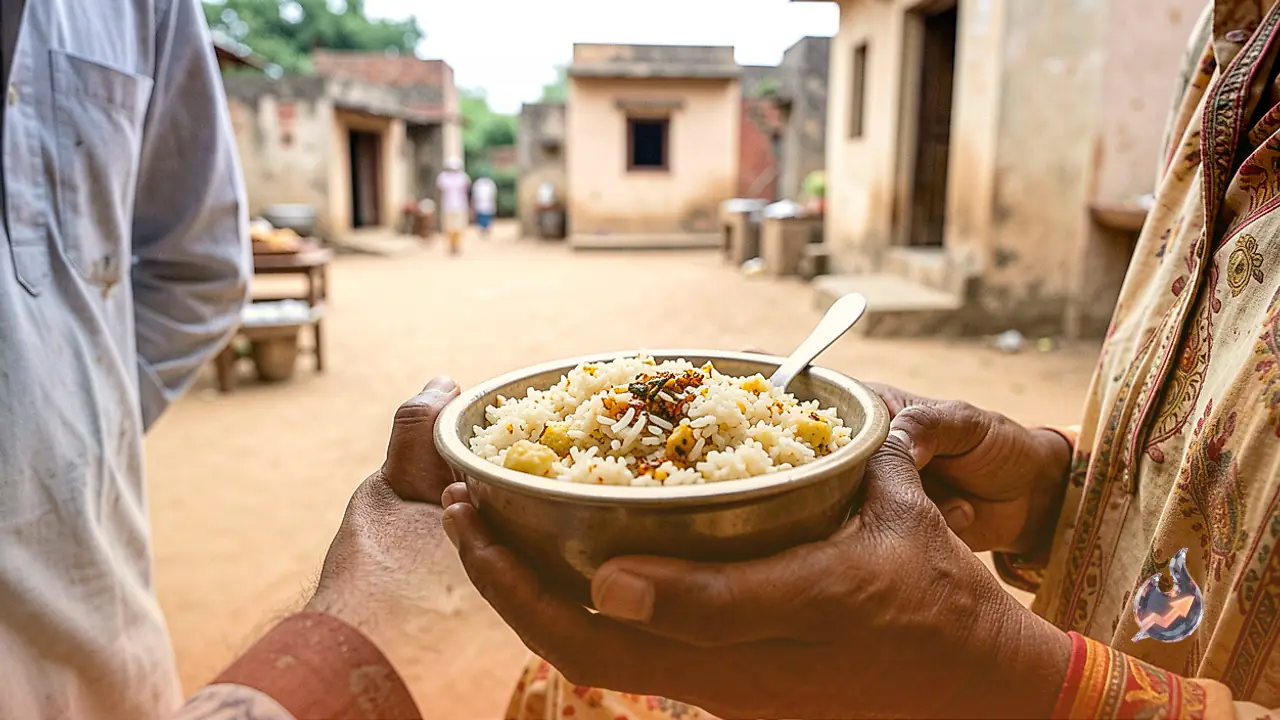
















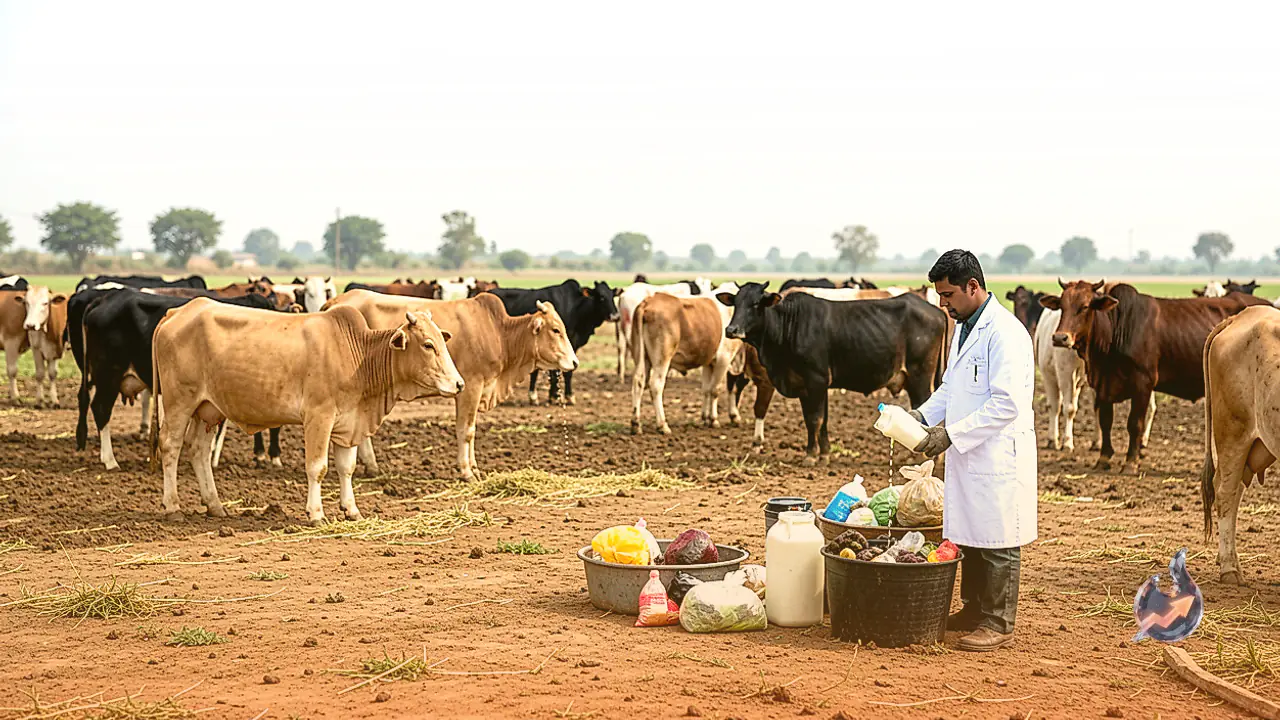

Cattle owners in Sultanpur must provide a nutritious and balanced diet to their cows and buffaloes to ensure optimal milk production. Often, livestock owners carelessly feed leftover household scraps and other unsuitable food items to their animals. Such negligence can adversely impact the health of the livestock and disrupt their milk output. Feeding inappropriate items in large quantities can also trigger digestive disorders in animals, making careful management of fodder essential.
Avoiding Moldy Fodder and Spoiled Ingredients
Dr. Diwakar Kumar, a veterinary scientist working at the Krishi Vigyan Kendra in Sultanpur, explained that cows and buffaloes should never be fed rotten vegetables, spoiled potatoes, stale or moldy rotis, rice, and other degraded food materials. Food spoils rapidly due to moisture and heat, which makes it crucial to always provide clean and fresh fodder to livestock.
The Danger of Mycotoxins and Mold
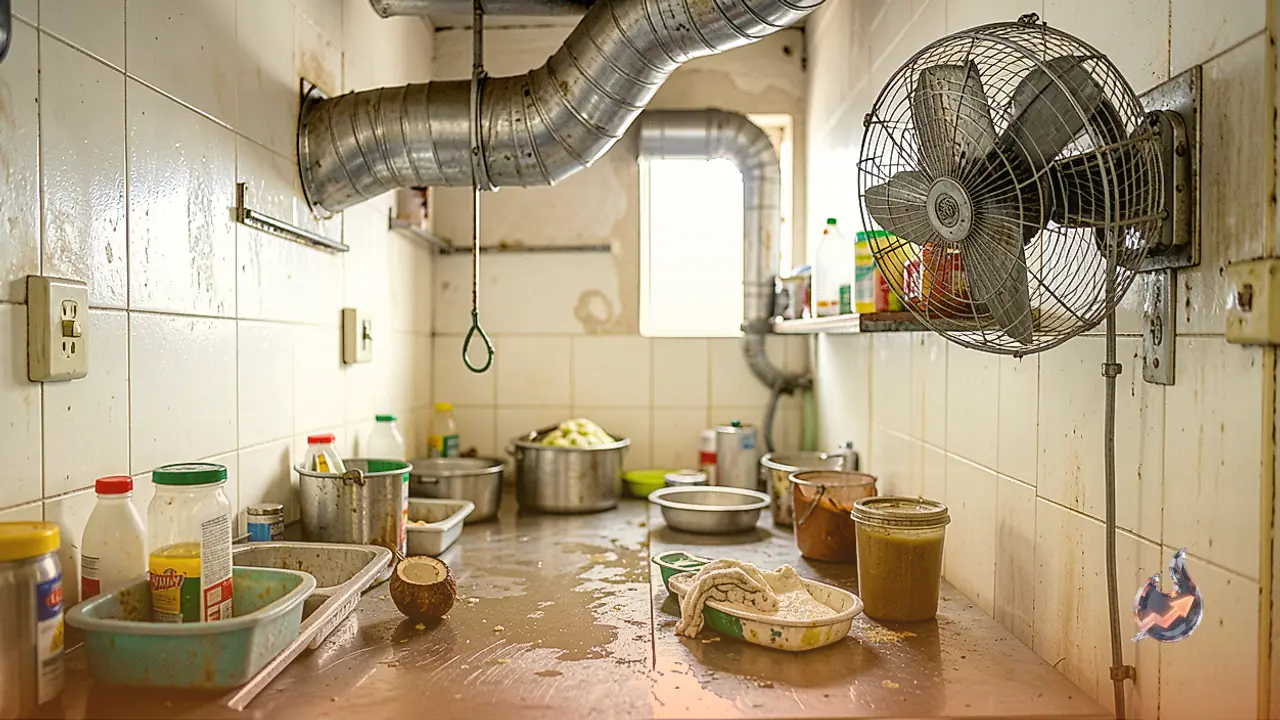
According to Dr. Diwakar Kumar, humidity can cause mold to grow on straw, oilcake, maize, grains, and other feed ingredients. Such contaminated fodder can develop toxic substances like mycotoxins, which impair animal health and diminish milk production. Therefore, foul-smelling, damp, or moldy feed must be kept away from animals, and feed should always be stored in dry, well-ventilated areas.
He noted that while potatoes can form part of animal feed in normal quantities, green, sprouted, rotten, or moldy potatoes must be avoided entirely. Such potatoes can have elevated levels of glycoalkaloids like solanin, posing a serious risk of toxicity in livestock. Furthermore, animals should be prevented from grazing on unfamiliar plants growing along fields or roadsides, as certain plants can be poisonous.
Precautions Regarding Onions and Cabbage
Veterinary experts indicate that feeding large amounts of onions to cattle can also prove harmful. Excessive onion consumption can damage the red blood cells of livestock and raise the risk of conditions like anemia. Similarly, feeding very high quantities of certain crops belonging to the cabbage family can lead to health complications.
Balanced Diet and Proper Management
Farmers are advised to include green fodder, dry fodder, balanced grain feed, and mineral mixtures in appropriate proportions rather than overfeeding any single food item. Additionally, ensuring a constant supply of clean and adequate drinking water is vital for livestock. Proper diet and sound fodder management help maintain animal health and enhance milk production.