























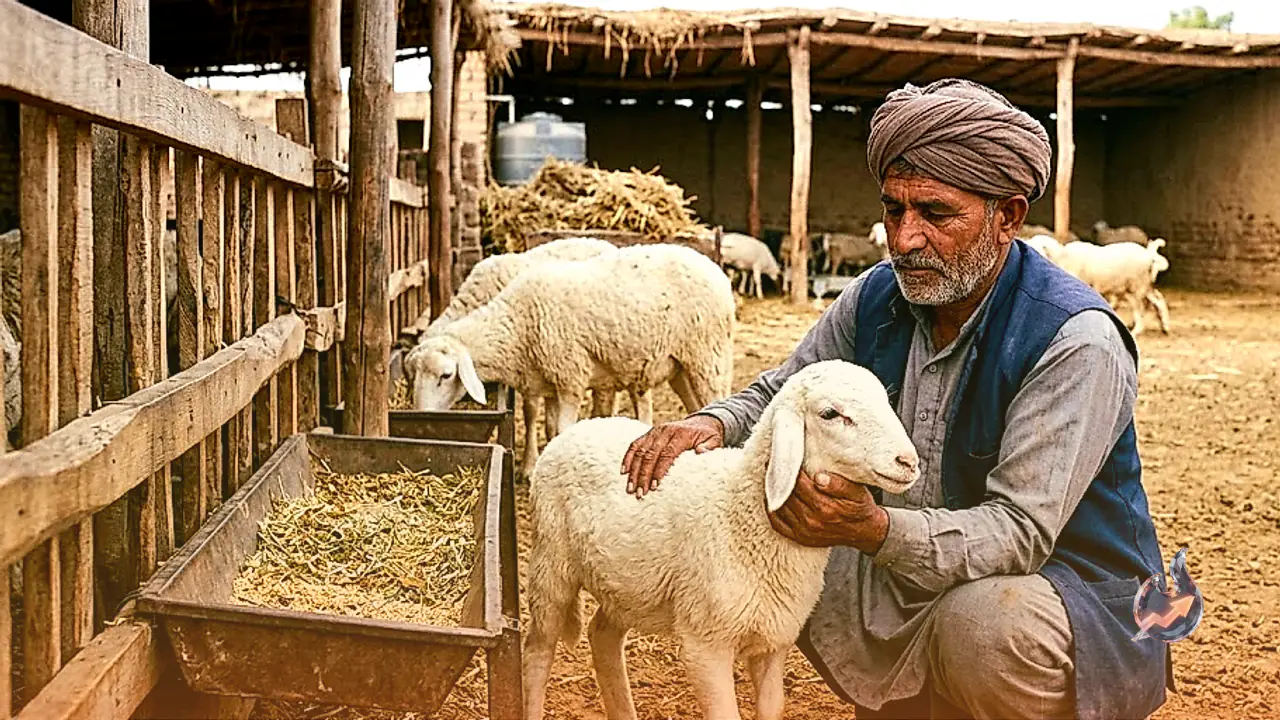

In Rajasthan's Bhilwara district, livestock keepers are increasingly turning to sheep rearing as a dependable pillar of rural income alongside conventional animal husbandry. The indigenous Malpura breed has proven to be particularly well aligned with the local environment and climate of the region. Widely distributed across various parts of Rajasthan, Malpura sheep are commonly reared in and around Bhilwara, allowing farmers to align their herd sizes with their personal requirements and grazing capacities.
Selecting Healthy Livestock Over Pure Flock Size
The Malpura breed provides animal keepers with a dual commercial advantage. While its primary economic value lies in meat production and the rearing of young lambs, the wool sheared from these animals serves as an auxiliary source of cash flow. When building a flock, purchasing decisions must prioritize structural health over mere quantity. Acquiring a small, well-conditioned herd produces far better outcomes than simply amassing large head counts without assessing fitness. Before finalizing any purchase, buyers should thoroughly inspect the animal's age, dental structure, body frame, leg condition, and overall vitality.
Daily Nutrition, Clean Water, and Preventive Healthcare
Sustained profitability in sheep husbandry depends directly on the quality of feeding and disease control. Flocks can be sustained on local pastures supplemented with an appropriate balance of green fodder and dry roughage. An uninterrupted supply of clean drinking water remains equally vital for the herd. To protect animals against endemic illnesses, owners must adhere to routine vaccination schedules, administer regular deworming medication, and seek veterinary advice at the earliest sign of disease. Furthermore, isolating an unwell sheep from the primary herd is essential to stop contagious infections from spreading.
Lamb Commercialization as the Core Revenue Engine
Marketing young lambs serves as the principal income driver for commercial sheep enterprises. Creating a dependable revenue stream requires selecting vigorous ewes and maintaining rigorous reproductive management across the herd. Consistent attention to early nutrition, growth tracking, and medical checks ensures lambs reach optimal market weight within expected timelines. Once the young stock is ready for offloading, sales can be timed around local market demand patterns and prevailing spot rates to secure premium returns, with seasonal wool proceeds offering valuable supplementary earnings.
Aligning Flock Scale With Land, Fodder, and Expert Advice
Entrepreneurs launching a sheep enterprise in Bhilwara should determine initial flock dimensions strictly by evaluating their available land parcel, feed accessibility, water infrastructure, and market connectivity. Simply adding more livestock does not automatically guarantee higher earnings unless direct overhead expenses are managed efficiently. Farmers can also compare the performance of Malpura with alternative regional breeds before investing capital. Consulting local animal husbandry department officials or certified veterinary doctors prior to buying livestock remains a sound operational safeguard.