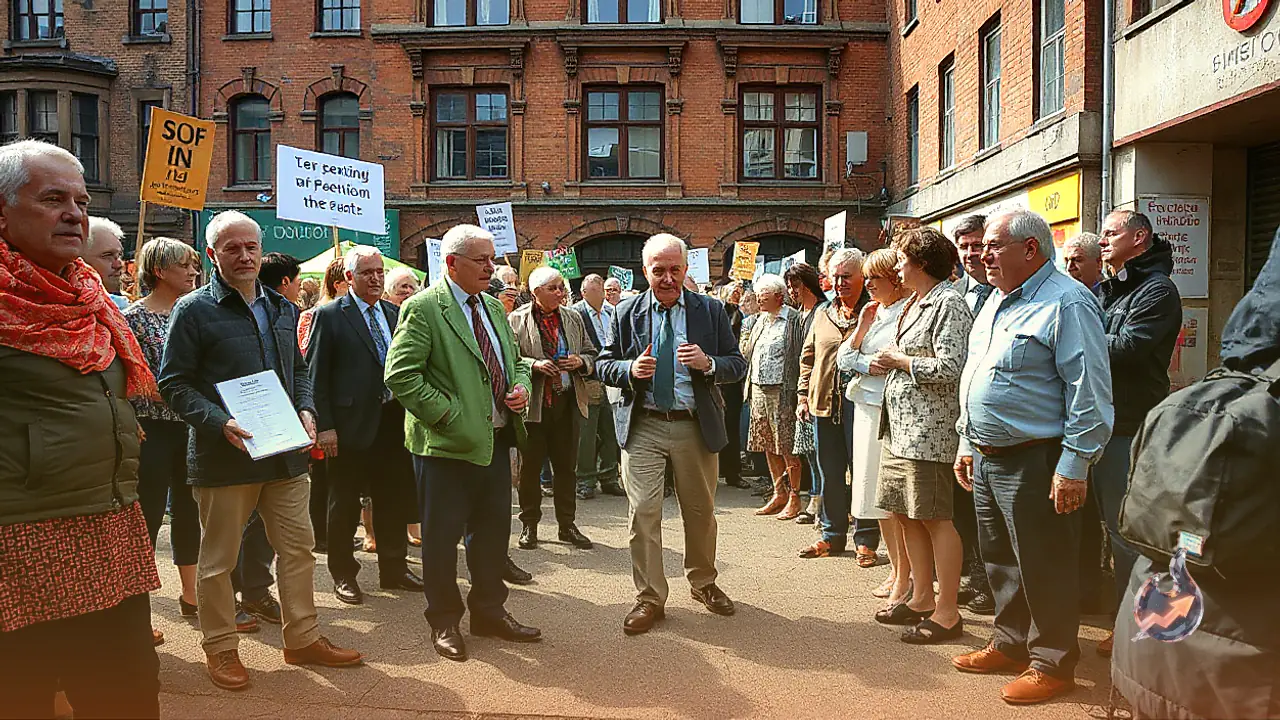























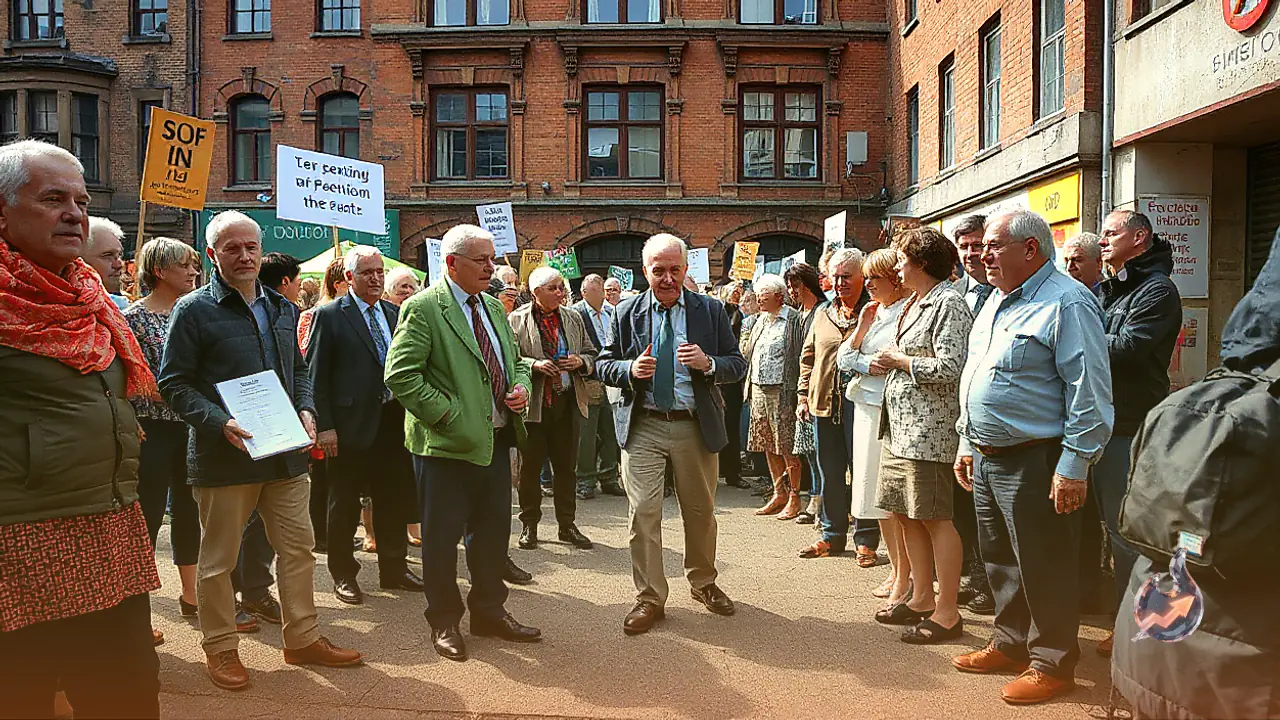

When government personnel approach superannuation, they often confront substantial capital requirements. From constructing a house and solemnizing children's weddings to clearing historical liabilities, immediate liquidity needs can be pressing. To assist retiring staff in managing these transitions, the government offers a designated facility known as pension commutation. Through this mechanism, an employee can voluntarily surrender an approved portion of future regular pension entitlements in exchange for an upfront lump-sum payment upon retirement.
However, this immediate access to liquidity carries a financial cost. In exchange for the upfront disbursement, a proportionate deduction is applied to the employee's monthly pension payment. Under prevailing regulatory frameworks, this monthly deduction continues unabated for a full tenure of 15 years. Only upon the completion of this 15-year span is the surrendered portion formally restored, allowing the pensioner to draw their full monthly entitlement once again.
Understanding the Practical Financial Deduction
The operational mechanics of this facility can be understood through a concrete scenario. Consider a retiring employee whose calculated baseline monthly pension stands at 40,000 rupees. If this individual opts to commute a segment of that pension at superannuation to receive a lump-sum corpus, the recurring monthly pension disbursement is reduced immediately. Consequently, the pensioner does not receive the full 40,000 rupees each month during the recovery tenure. The underlying purpose of commutation is solely to advance future pension entitlements into immediate liquid capital to address pressing commitments.
Nevertheless, pensioner bodies have increasingly challenged the propriety of this 15-year recovery horizon. Their central argument maintains that the government fully recoups the advanced lump-sum principal along with accrued interest within a timeframe of approximately 10 to 12 years. Carrying the deduction forward past that point, according to these organizations, imposes an undue financial drag on elderly citizens. Consequently, employee associations have insisted that the full pension should be restored much sooner, citing horizons between 11 and 12 years as far more equitable.
Judicial Rulings: Policy Changes Reserved for the Executive
In pursuit of an accelerated restoration timeline, pensioners previously mounted extensive legal challenges across judicial forums, but the courts declined to interfere with the established framework. On November 27, 2024, the Punjab and Haryana High Court delivered a comprehensive ruling disposing of 808 grouped writ petitions. The petitioners had collectively sought directives to reduce the commutation restoration timeframe from 15 years down to approximately 11.5 or 12 years.
In dismissing the petitions, the High Court observed that employees had exercised an entirely voluntary choice when electing to commute their pension benefits and accepting the corresponding lump sum. The court noted that individuals who voluntarily accept established terms cannot subsequently seek a judicial rewrite of those contractual provisions. Furthermore, the bench emphasized that modifying statutory terms and fiscal parameters remains strictly within the policy-making remit of the government and competent authorities.
This judicial stance was reinforced on May 29, 2026, when the Delhi High Court similarly upheld the validity of the 15-year commutation rule applicable to central government staff. The Delhi High Court noted that the extant structure is rooted in detailed actuarial valuations, formal expert panel recommendations, and an entrenched statutory framework. While these twin high court judgments closed the door on judicial relief, they firmly directed the focus of the grievance toward executive determination.
Specific Proposals Submitted by Employee Federations
Following the judicial determinations, various central pensioner groups have formulated formal submissions seeking administrative intervention, with several representations now placed before the Eighth Pay Commission
- Bharat Pensioners Samaj: This association has urged that for employees retiring at 60 years of age, the commuted pension portion should be restored upon reaching 11 years of retirement or upon attaining 71 years of age, whichever occurs earlier.
- Federation of National Postal Organisations: Representing postal employees, this body contends that the financial value of the advanced lump sum is recovered within approximately 10 years, warranting an immediate curtailment of the deduction timeline.
- Ministerial Staff Association: This organization has formally proposed lowering the restoration period from 15 years to 12 years.
- All India Railwaymens Federation: The apex railway union has likewise advanced a demand to calibrate the commutation restoration window to exactly 12 years.
The shared objective across these diverse petitions is to alleviate financial strain on retirees so they do not have to endure reduced monthly cash inflows for a full decade and a half.
Expectations Centered on the Eighth Pay Commission
With judicial avenues exhausted, stakeholder focus has shifted squarely to the Eighth Pay Commission. While pay commissions traditionally review basic pay slabs and pension indexing factors, pensioner organizations are specifically urging this commission to re-examine the financial fairness of the 15-year commutation tenure.
As of now, the commission has issued no final determination or guarantee indicating whether the 15-year requirement will be trimmed. Given the clear guidance provided in the high court verdicts, any amendment to this enduring framework will require a deliberate policy choice backed by fresh actuarial calculations from government specialists.