
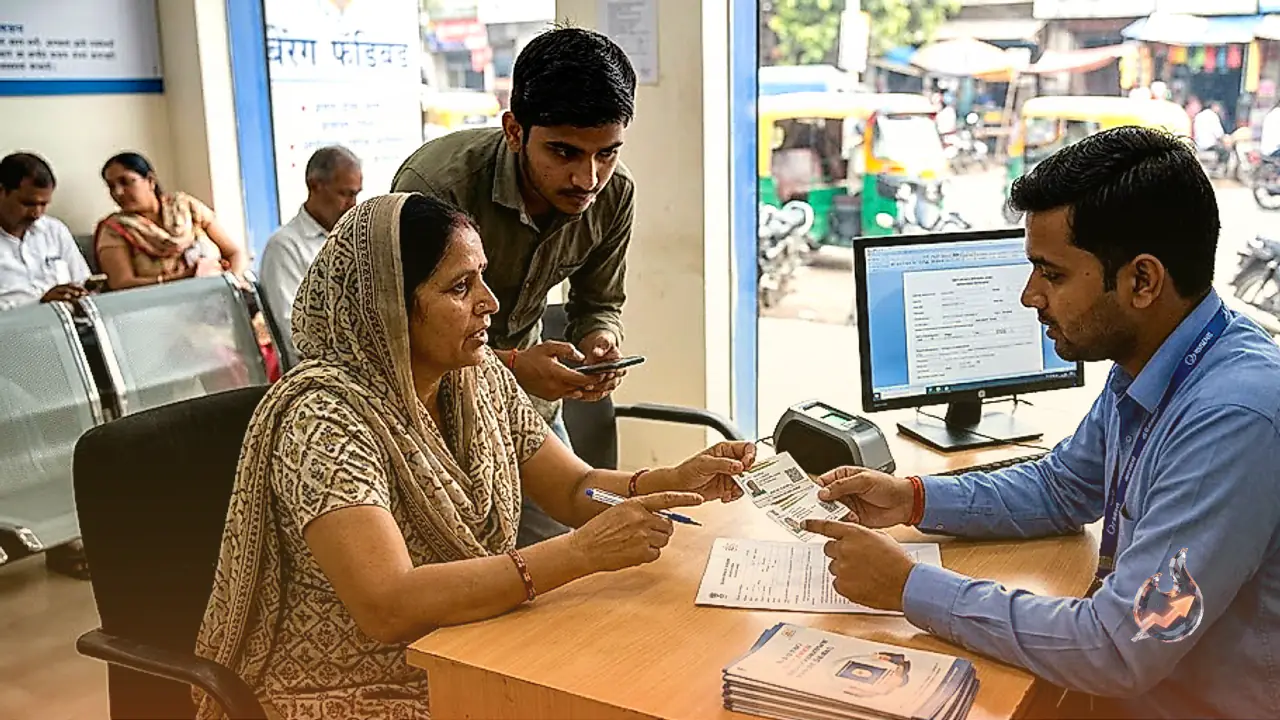




















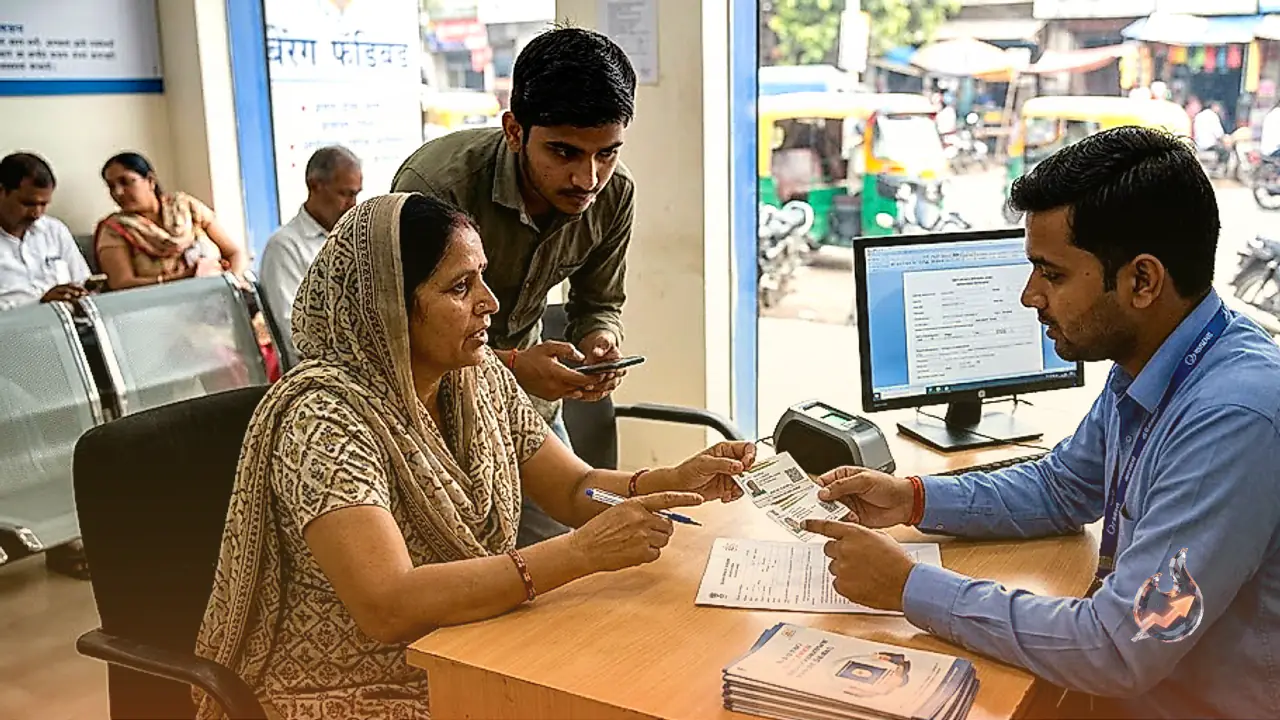

In Faridabad today, identity documents such as Aadhaar cards, PAN cards, and other essential certificates are required everywhere for various daily tasks. However, handing over copies or photocopies of these sensitive documents to an unknown person in a rush or without proper verification can prove to be a costly mistake. Many people share their documents blindly and later face serious concerns regarding their misuse. Therefore, it is vital to know what precautions to take before giving documents to anyone, what to write on the copy, and what details to gather from the concerned organization. This report outlines the crucial steps you need to keep in mind to minimize the risk of your identity documents being misused.
Whom to Trust and What to Ask
Advocate Mohan Tiwari of the Faridabad Sector 12 Court explains that while handing over an Aadhaar or PAN card, it is extremely important to ensure that the document is given only to someone you completely trust. You must also be fully aware of the exact purpose for which you are handing over a copy of your identification. If anyone asks for a copy of your Aadhaar or PAN card, always make sure to inquire why they actually need it before handing it over.
Dangers of Sharing Documents with Strangers
Mohan Tiwari points out that one should never give an Aadhaar card or PAN card to any unknown individual under any circumstance. These identity documents can easily be misused for malicious activities. In many instances, copies of these documents are even utilized to fabricate fake credentials. Therefore, people should strictly refrain from sharing critical personal papers at the behest of strangers. Mohan Tiwari notes that while simply having documents fall into someone else's hands does not automatically mean a cyber scam has occurred, it lays the groundwork for trouble. Once a bad actor obtains your vital personal information, they can call you and spin elaborate falsehoods. They might pose as a bank employee or represent another organization to extract further sensitive details from you. Hence, personal or banking information should never be shared over an incoming phone call.
How to Preserve Evidence in Case of Cyber Fraud
According to Mohan Tiwari, if you need to file a complaint regarding document misuse or cyber fraud, you must preserve as much real evidence as possible to strengthen your case. Keep records such as the exact copy of the document sent, WhatsApp chats or emails, mobile numbers, details of the suspect or organization, website or social media links, bank or UPI transaction records, OTPs or suspicious message details, the exact date and time of the incident, screenshots, and other digital evidence safe. The national cybercrime portal also provides a facility to submit incident-related documents, screenshots, and videos alongside your official complaint to aid investigations.