














Global disruptions and conflict zones often give rise to unexpected entrepreneurial opportunities. A striking example of this phenomenon is unfolding in Poland, where an Indian expatriate transformed adverse circumstances into a thriving international venture. Hailing from Palakkad in Kerala, Chandramohan Nalloor has expanded his unique brand, Malayali, into thirty countries across the globe. Interestingly, despite abstaining from alcohol personally, Chandramohan laid the foundation of this prominent beer label right in the middle of a major geopolitical crisis.
A Failsafe Poha Deal That Sparked a Beer Brand
This extraordinary business journey did not begin with any blueprint for producing an alcoholic beverage, but rather with a commercial shipment of five tons of flattened rice, commonly known as poha. Chandramohan is associated with the Indo-Polish Chamber of Commerce and Industries, where his primary role is to assist Indian enterprises in expanding within Poland and to help Polish companies establish a footprint in India. As part of this mandate, a merchant from Varanasi ordered five tons of poha intended for the African community residing in Poland.
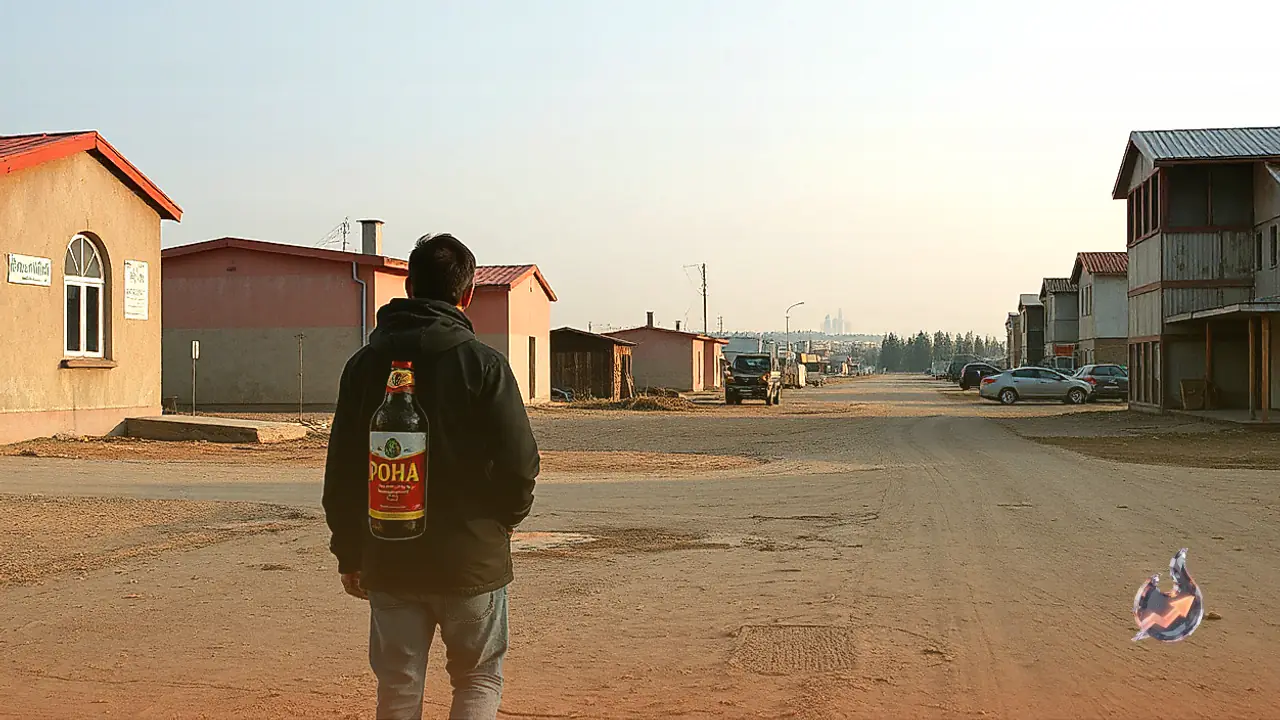
However, destiny intervened when currency exchange rates fluctuated violently just four days before the Russia-Ukraine war broke out, causing the entire trade agreement to collapse. Left with a massive surplus of five tons of poha and no original buyer, Chandramohan and his team decided to take an unconventional gamble by brewing beer from the grain and naming the brand Malayali. The experiment yielded remarkable results, quickly scaling into a full-fledged enterprise that now distributes its products across thirty international markets, proving that resourcefulness can turn adversity into enterprise.
Navigating Market Realities and Operating Pressures
One of the most fascinating aspects of this venture is that Chandramohan does not consume alcohol himself. His success demonstrates that an entrepreneur does not necessarily need to be a direct consumer of their product, provided they understand market dynamics, assemble the right team, and recognize opportunities within challenges. Nevertheless, the fallout from wartime conditions continues to impact his operations. Rising fuel expenses and escalated transportation costs directly inflate production overheads, while ongoing instability in the Middle East further complicates logistics and cross-border trade.
The Rising Security Value of the Indian Passport
Reflecting on broader geopolitical realities and international mobility, Chandramohan expressed strong confidence in the strength of Indian citizenship. When asked if he ever considered acquiring Polish citizenship, his stance was unequivocal. He stated that given the current global climate, holding an Indian passport is far more advantageous and secure than acquiring alternative travel documents. Amid ongoing conflicts and tensions across various regions of the world, his remarks underscore a deep trust in his home nation and the growing global standing of Indian citizenship.
Humanitarian Relief Efforts During Operation Ganga
Chandramohan's contributions extend well beyond commerce, as he played an active role in humanitarian relief during the early phases of the conflict. When thousands of students and ordinary citizens fled Ukraine and arrived at the Polish border, he stepped forward to assist. Many parents and young travelers were deeply distressed, facing immediate communication blackouts upon crossing into a new nation. To alleviate this hardship, he coordinated with his former telecommunications provider to secure between 5,000 and 6,000 SIM cards for the arrivals.
These complimentary SIM cards were provided alongside twenty gigabytes of free internet data, enabling stranded individuals to reconnect with their families. Recalling those intense days, he noted that for about a week, roughly 300 to 400 volunteers operated in multiple languages at the border crossing while he managed coordination among them. The primary challenge went beyond physical evacuation, requiring constant reassurance for panicked parents as the unpredictable movement of military forces fueled widespread anxiety. He praised the Indian government's Operation Ganga, noting that the evacuation initiative efficiently brought nationals home while also extending assistance to citizens of other countries.
Expanding Economic Horizons Between India and Poland
Looking toward the future, Chandramohan remains optimistic about deepening bilateral economic ties between India and Poland. He believes that cooperation between the two nations should transcend traditional import and export boundaries. Indian and Polish corporations should actively pursue joint ventures, technological exchanges, and talent utilization. According to him, mutual trust and robust networking remain critical pillars for bilateral trade success. He noted a palpable positive shift in the business environment following Prime Minister Narendra Modi's visit to Poland in 2024, creating fresh momentum for bilateral collaboration.